She Used AI to Start a Pilates Business. Now She Has 65 Employees.
Cassidy Winkler launched Revel Method Pilates after her job slowed down. Her story reveals three practical lessons for anyone starting a business in 2026.

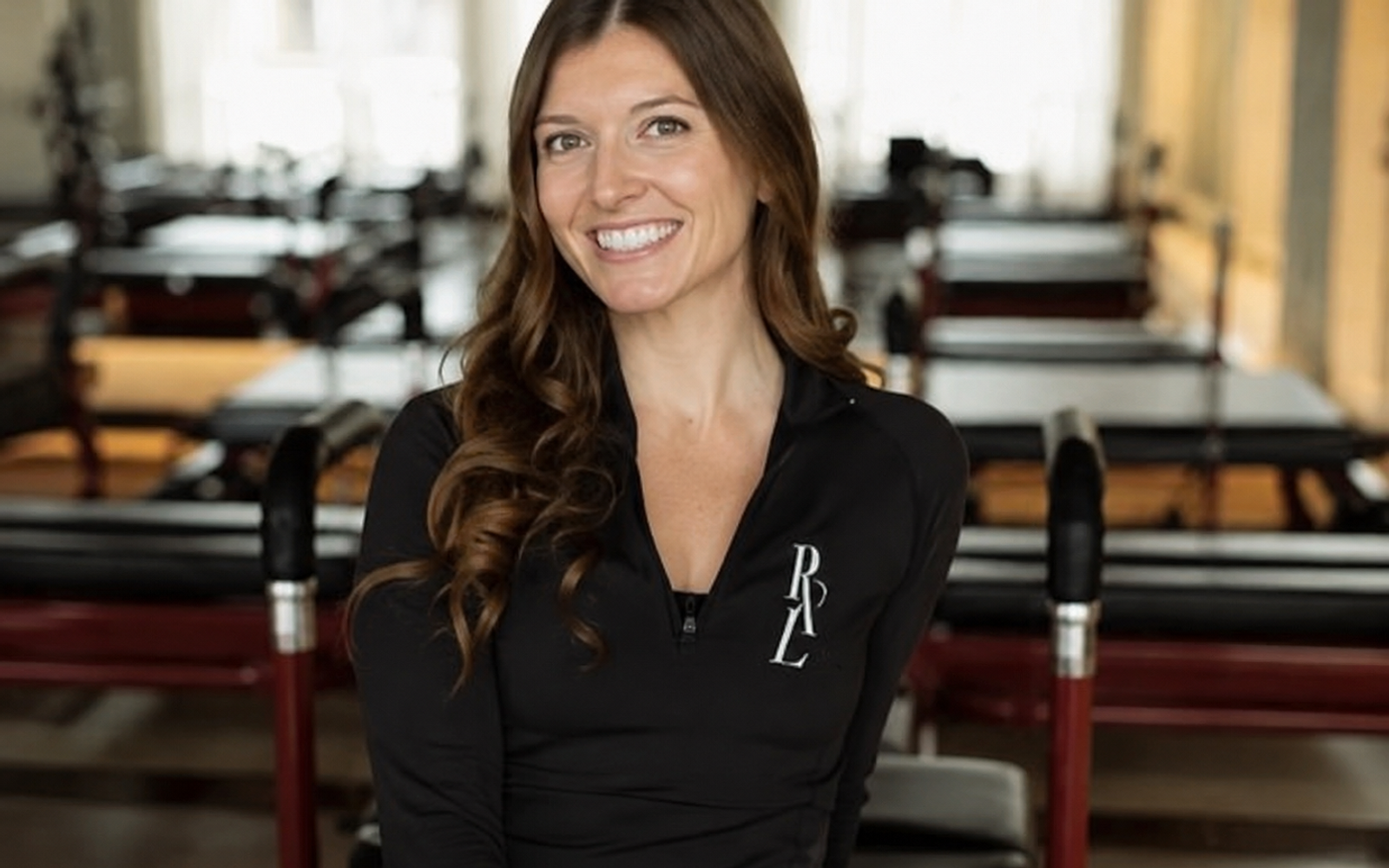
Cassidy Winkler had time on her hands. Her job had slowed down, and she found herself staring at the gap between where she was and where she wanted to be. Instead of waiting for things to pick back up, she started building. Using ChatGPT, she wrote a business plan, settled on a name, and designed a logo for what would become Revel Method Pilates. That was not long ago. Today, according to reporting by the New York Times, Winkler runs three studio locations with 65 employees and has a fourth location in development.
She is the exception in terms of scale. Most new businesses in 2026 remain solo operations. But Winkler's path from an uncertain employment situation to a growing company with staff and multiple locations tells you something about the moment we are in. The cost of testing an idea has dropped. The tools for bringing it to market are accessible. And a wave of people who might have stayed in traditional jobs are deciding to build instead.
The Numbers Behind the Boom
New business applications hit 5.7 million last year, the highest number in two decades of government tracking. 2026 is on pace to beat that record. A University of British Columbia study points to a clear driver: generative AI is spurring entrepreneurial activity by making it faster and cheaper to get a business off the ground, as covered by Entrepreneur. The conditions for starting something have shifted. What used to require a team of designers, copywriters, marketers, and operations planners can now be handled by one person with the right tools.
At the same time, AI has become the leading cause of US job cuts in 2026. According to Challenger, Gray & Christmas, AI-linked layoffs reached 87,714, surpassing 2024 and 2025 combined. Tech firms are leading the cuts, but the pattern is spreading across industries. The result is a push-pull dynamic. People are being displaced from traditional roles at the same time that the cost of starting something on your own has never been lower. The two trends are connected, and they are reshaping how people think about work.
Compressing Startup Costs With AI
Winkler's story is useful here because it is not complicated. She did not raise venture capital. She did not hire a branding agency. She used a free or low-cost AI tool to handle the foundational pieces of her business. The business plan, the name, the logo, these are things that used to cost thousands of dollars or weeks of iterative work. She compressed that into a short period with a tool she could access from her laptop.
The 2026 Small Business Tech Use Survey by the Small Business and Entrepreneurship Council found that 82% of small business employers have invested in AI tools, with the typical company using a median of four different tools. That number will only climb. For anyone starting a business today, the tactical takeaway is simple: do not outsource or overthink the early-stage work that AI can handle competently. Write your plan with a tool like ChatGPT. Generate logo concepts with Canva AI or similar platforms. Build your website with templates that require no coding. Your job in the earliest days is not to produce perfect materials. It is to test whether people will pay for what you are offering.
Winkler proved demand first. Then she scaled. That order matters more than any branding decision you will make in month one. If you are building a service business, consider how you can use AI tools to create the kind of branded content that builds trust with potential clients. You can learn more about this in our guide on how to make branded social media cards for your blog or business.
Building Systems Before You Need Them
The jump from zero to 65 employees does not happen by accident. Winkler had to build operational systems that could handle growth without breaking. For a boutique fitness business, that means scheduling software, instructor training protocols, client retention processes, and financial controls. Most founders treat these things as problems to solve later. By the time they need them, the chaos has already started.
The 7 Entrepreneurs Defining the Future of Business in 2026, featured by Entrepreneur magazine, share a common trait according to the publication: they identify opportunities where others see obstacles. Part of that is building the infrastructure for scale before you are sure you will need it. You do not need enterprise-grade systems on day one. But you do need to know which parts of your business will break first when demand spikes. For a service business like Winkler's, that is usually booking and scheduling. For a product business, it is fulfillment and customer support. Identify your bottleneck now and build a basic system for it before it becomes a crisis.
There is a tension here that every founder feels. You do not want to overbuild before you have traction. But you also do not want to lose the traction you worked for because you cannot deliver. The middle ground is to automate the repeatable parts of your operation with simple tools. Even a spreadsheet with conditional formatting is better than keeping everything in your head. The goal is to free your attention for the decisions that actually require human judgment.
The Opportunity in the Downward Spiral
The mass layoffs that defined early 2026 have a silver lining for people willing to bet on themselves. Every experienced professional who gets cut from a large company carries knowledge, skills, and professional relationships that can form the foundation of a new venture. The cost of hiring qualified talent has also shifted. When large firms are shedding workers, the freelance and contract market fills up with capable people who are open to project-based work.
This is the context in which Winkler's story makes the most sense. She did not start Revel Method Pilates because the economy was perfect. She started because her job was slow and she saw a path forward that did not depend on someone else giving her permission. The 5.7 million people who filed business applications last year made a similar calculation. They looked at the uncertainty in traditional employment and decided that building something of their own was not riskier than waiting for stability that might not come.
That calculation has practical implications for how you think about your career. If you are employed but nervous about your industry's trajectory, the smartest move you can make is to start building something on the side. The tools are available. The cost of entry is lower than it has ever been. And the time to develop an audience or a customer base is before you need the income. Our article on the 86% of bloggers who earn nothing explores why most side projects fail to generate revenue and what the minority does differently.
What This Means for the Next Wave
Winkler is not a tech founder. She did not build a software company or an AI platform. She started a Pilates studio in Madison, Wisconsin, using tools that anyone can access. That is the most important detail in her story. The entrepreneurial boom of 2026 is not concentrated in Silicon Valley or in venture-backed startups. It is happening in fitness studios, service businesses, local retail, and solo consulting practices across the country. The barrier to entry has dropped for everyone, not just for people who can code.
The question is not whether you have the right idea or the perfect background. It is whether you are willing to start before you feel ready. Winkler did not wait until she had a complete business plan polished by experts. She used what she had, tested the market, and iterated from there. Three studios later, that approach looks like the most rational strategy available. The people who are building right now are not better or smarter than everyone else. They just started earlier.
Frequently Asked Questions
How did Cassidy Winkler use AI to start her Pilates business?
She used ChatGPT to create her business plan, choose a business name, and design a logo for Revel Method Pilates, compressing work that traditionally required professional services into a short period using free or low-cost tools.
How many new businesses are being started in America right now?
New business applications reached 5.7 million in 2025, the highest in two decades, and 2026 is on pace to break that record according to government tracking data.
What is driving the small business boom in 2026?
Two main factors: AI tools that dramatically lower the cost of starting a business, and mass layoffs across industries that push experienced professionals to pursue entrepreneurship as an alternative to traditional employment.
Do you need venture capital to start a business in 2026?
No. Most new businesses are solo operations started without outside funding. AI tools and digital platforms have reduced the cost of testing an idea and reaching customers, making bootstrapped startups more viable than ever.
What percentage of small businesses use AI tools?
According to the Small Business and Entrepreneurship Council's 2026 Tech Use Survey, 82% of small business employers have invested in AI tools, with the typical business using a median of four different tools.
Comments (0)
No comments yet. Be the first to share your thoughts.