The Sleep Lie: Why Rest No Longer Recovers You
Eight hours in bed and still exhausted. The biology of why modern life has broken sleep's architecture, and what the evidence actually says about fixing it.
 By Novarift Staff
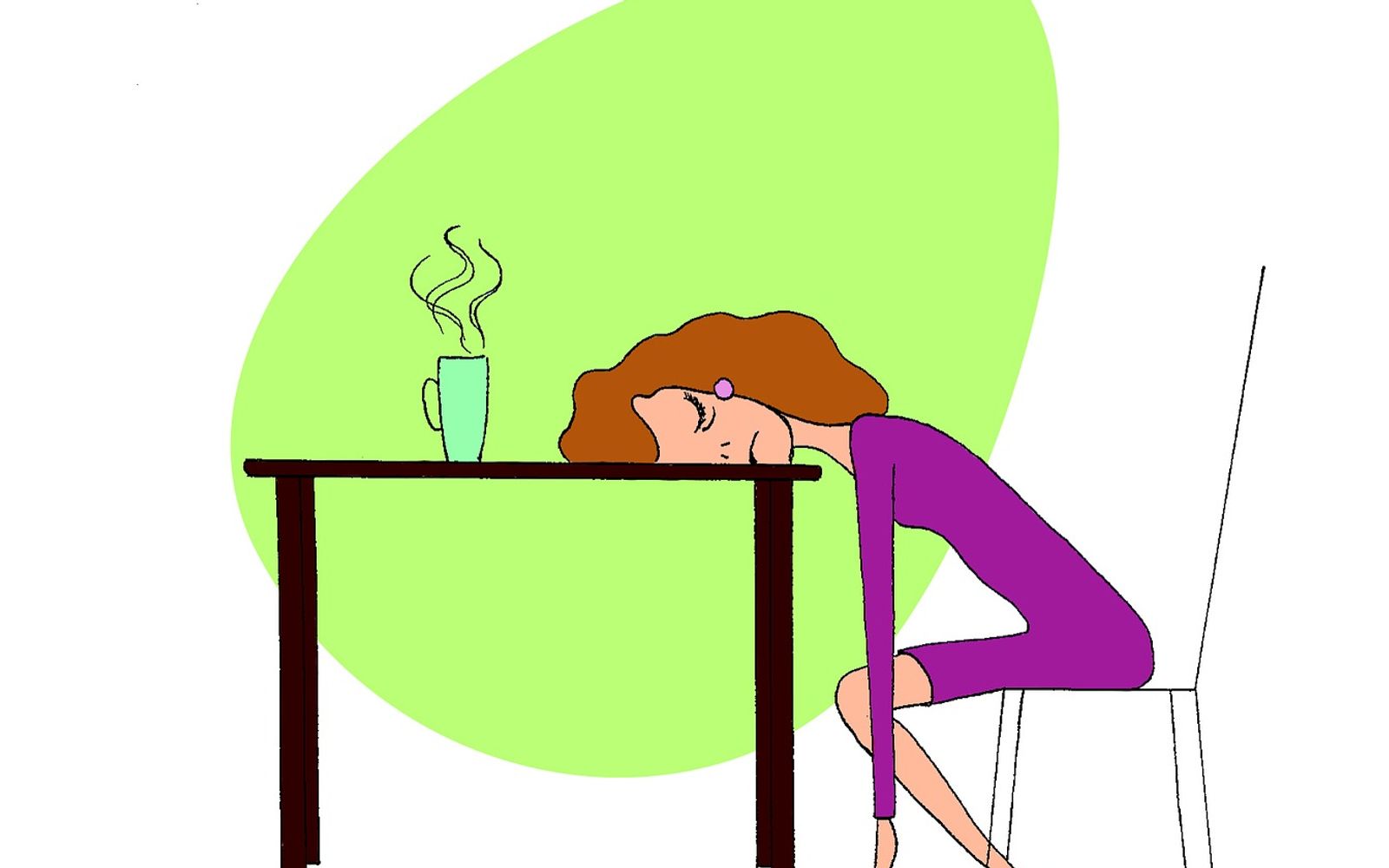
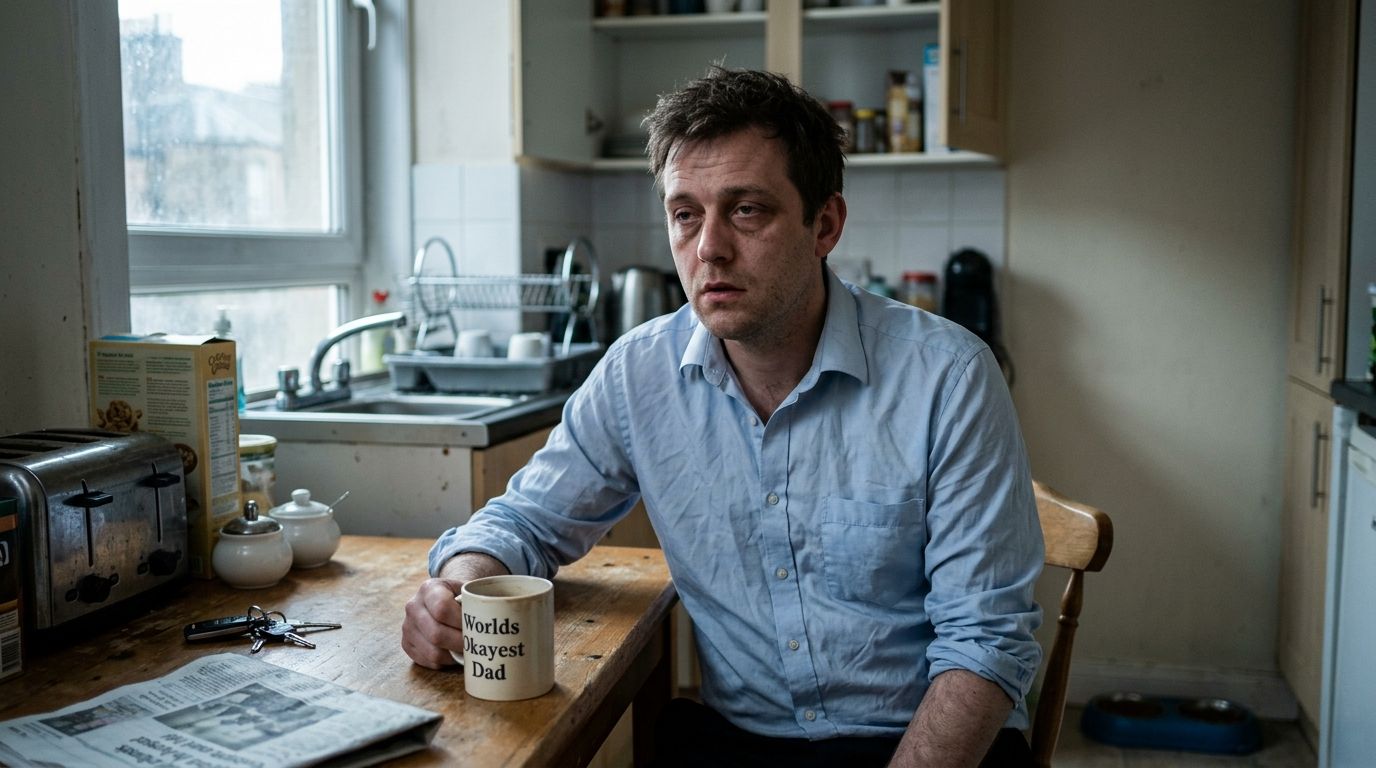
Most people who describe this kind of exhaustion will say the same thing when pressed: they slept. They went to bed at a reasonable hour, they were not on their phones the entire night, and they woke when the alarm told them to. Eight hours, more or less. And then the bathroom and the coffee and the slow realisation, somewhere in the first hour of the morning, that the night has not actually reset anything.
The mystery is not that it happens. The mystery is how many people have stopped treating it as a mystery. Somewhere in the last decade, a specific kind of formless, structureless fatigue has become so ordinary that the question of why someone always feels tired is now less likely to prompt a medical visit than a sigh of recognition from whoever is listening. People call it burnout or stress or the pace of modern life. These explanations are not entirely wrong. They are just incomplete descriptions of something with a much more specific biological mechanism.
That mechanism is worth understanding, because the industry that has grown up around sleep, now worth over half a trillion dollars globally, is largely not addressing it.
The Promise That Stopped Delivering
For most of human history, sleep was not a subject that required analysis. You worked, you got tired, you slept, you woke. The biology handled itself. It was only when the biology started failing to handle itself, at scale, that the analysis began, and what that analysis revealed is that the problem is not the sleep. The problem is everything that surrounds it.
According to ResMed's 2026 Global Sleep Survey, which surveyed 30,000 people across 13 countries, 53 percent of respondents get a good night's sleep on four nights a week or fewer. Not three. Four. That is a majority of the adult population failing to recover adequately more than half the time. And yet the dominant cultural narrative around sleep still frames the problem as one of individual discipline: you need to go to bed earlier, put your phone down, stop drinking coffee after noon. The advice is not wrong. It is just catastrophically insufficient for what is actually happening.
The deeper problem is that the quality of sleep, the architecture of it, the biological work it is supposed to do, has been degraded by conditions that existed long before anyone climbed into bed. The hours are there. What the hours are supposed to accomplish is not.
What Sleep Is Actually Doing While You Are Gone
Sleep is poorly understood in the way that oxygen is poorly understood: everyone knows it is necessary, few people could explain precisely why. The standard account, that the body repairs itself and the brain rests, is not wrong, but it dramatically undersells what is happening.
During sleep, memory consolidates. The hippocampus replays the experiences of the day and transfers selected information to long-term storage while discarding what is no longer needed. Emotional experiences are processed and contextualised. Growth hormone, which is responsible for tissue repair and cellular regeneration, is released almost entirely during the deep phases of sleep. The immune system conducts its most active maintenance, producing the cytokines that fight infection and reduce inflammation. And beneath all of this, a biological process was discovered only in 2013 that changed how scientists understood the purpose of sleep at a fundamental level.
The Brain's Overnight Cleaning Crew
In 2013, a neuroscientist named Maiken Nedergaard and her team at the University of Rochester identified something that had been hiding in plain sight for decades: a waste-removal system unique to the brain. They named it the glymphatic system, a combination of glial cells and the lymphatic network. The discovery was striking not just for what it was, but for how it worked.
During deep sleep, the brain's cells shrink by as much as 60 percent. This shrinking opens channels through which cerebrospinal fluid flows rapidly, flushing out the metabolic waste products that accumulate during waking hours. Among those waste products are beta-amyloid and tau, the proteins whose buildup is most strongly linked to Alzheimer's disease. The system is not a metaphor. It is a physical cleaning mechanism, and it operates almost exclusively while you are asleep.
During waking hours, the system is largely offline. The waste accumulates. The night is supposed to clear it. When the night does not do its job properly, either because sleep was too short or because the architecture of the sleep was wrong, the accumulation continues. And in chronically sleep-disrupted people, something worse begins to happen: the brain attempts to initiate the glymphatic process while the person is still awake. The result is what researchers now describe as momentary cognitive shutdowns, brief lapses where attention simply drops out. The sentence you have read three times without understanding it. The room you walked into and stood in, baffled. The conversation that was happening around you without entering your head. Your brain was trying to clean itself while you needed it to function, and something had to give.

Why Eight Hours Stopped Being Enough
The eight-hour rule is not wrong, but it addresses the wrong problem. Most people who feel chronically under-rested are not sleeping for four hours. They are sleeping for seven or eight, and waking up feeling like they had considerably less. The question that matters is not how long you slept but what your brain was actually able to accomplish in that time.
Sleep is not a uniform state. It moves through stages: light sleep, REM sleep, and slow-wave or deep sleep, sometimes called N3. Each stage does different things. REM handles emotional processing and memory consolidation. Deep sleep is where the glymphatic system runs, where growth hormone is released, where the body does its most significant repair work. A healthy night cycles through these stages multiple times, with the balance shifting across the night.
Modern life has become expert at compressing the stages that matter most. Elevated cortisol, which is the hormone produced by stress, specifically suppresses slow-wave sleep. Fragmented sleep, which is caused by everything from an overactive mind to a too-warm bedroom, pulls the brain out of deep stages before the work is done. Digital stimulation in the hours before bed delays the onset of sleep and shifts the overall architecture toward lighter phases. Eight hours of mostly light sleep is biologically a very different experience from eight hours with adequate deep sleep. The number on your tracker tells you nothing about which one you had.
Cortisol, the Alarm That Will Not Silence
Cortisol is introduced in popular health writing as the stress hormone, which is accurate but misses half the picture. It is also the wakefulness hormone. It follows a daily rhythm: spiking in the early morning to help you rouse, declining gradually through the afternoon, reaching its natural low point in the midnight hours. That low is not incidental. It is the biological precondition for deep sleep. Without it, the brain cannot fully leave its alert state, and deep sleep becomes difficult to sustain even if the person is lying still with their eyes closed.
Chronic stress keeps cortisol elevated well into the evening. The dip still happens, but it happens later and shallower. The window for deep sleep narrows. The brain spends the night at a higher arousal level than the repair work requires. And then, because sleep debt registers to the body as a stressor in its own right, cortisol rises further the next morning, making it harder to fully unwind the following night. The loop does not close without deliberate effort, and many people live inside it for so long that they stop recognising it as a loop at all. They say they have never been good sleepers, as though it is a fixed trait rather than a pattern that has been running so long it has started to look like a personality.
The Digital Hangover Nobody Names Correctly
The conversation about screens and sleep always lands on blue light, and blue light is real: it suppresses melatonin production and delays the onset of sleep. But blue light is also the least interesting part of what digital activity does to the sleeping brain, and focusing on it gives people the impression that the problem is solved the moment they switch to a warmer screen tone.
The more significant mechanism is cognitive and emotional arousal. High-engagement digital activity, which includes scrolling social media, reading news, responding to messages, watching anything that provokes a reaction, keeps the nervous system in a state of active alert. Every notification, every unexpected image, every sentence that makes your chest tighten slightly triggers a small stress response. Not a large one. Small. But continuous small activations in the two hours before bed create an arousal state that persists long after the phone goes dark. The brain does not have an off switch. The transition from alert to resting to deeply asleep takes time that most people do not give it.
There is also the question of what gets carried to bed that was never acknowledged as a burden. By evening, most people have absorbed dozens of small disturbances: something in the news that unsettled them, a work message they did not fully process, a social comparison that registered below the level of conscious thought. None of this resolves itself at the moment of encounter. Some of it is meant to be resolved during REM sleep. When the load becomes heavy enough, the nights stop being sufficient to clear it, and the emotional residue compounds.
This is not an argument for a digital detox, which tends to function as a brief vacation from habits that resume unchanged on return. It is an argument for being genuinely selective about what gets access to your evenings, and in what state you arrive at the end of them. The platforms are not neutral pipes delivering information. They are systems engineered to sustain engagement past the point where engagement serves any purpose for the person doing the engaging. The question of what you are actually filtering out, and what you are letting in, turns out to matter not just for what you know and how you think, but for how well the night that follows actually works.
Sleep Debt Is Real, and the Ledger Never Zeros Out
The concept of sleep debt, the accumulated deficit from consistently sleeping less than the body needs, is popular because it sounds tractable. A debt can be repaid. Two bad nights followed by a long Saturday morning and you are back to even. The science does not support this, and the ways it fails are worth understanding.
Short-term sleep debt, from a few disrupted nights, can be partially recovered. The more dangerous version is chronic sleep debt, the kind that accumulates across months and years of structural under-recovery. The brain's response to this kind of deficit is not to wait patiently for repayment. It adapts. People who are chronically sleep-deprived become worse judges of their own impairment. Their subjective sense of how tired they are diverges significantly from objective measures of their cognitive performance. They feel normal. They are not. This is one of the crueller features of the condition: the more entrenched it becomes, the less accurately you perceive it.
The physiological ledger is also wider than most people account for. Chronic sleep disruption reduces insulin sensitivity, raising long-term diabetes risk. It suppresses immune function. It elevates inflammatory markers. It is connected to cardiovascular outcomes. These consequences accumulate over years without any single night being the obvious cause, which makes them easy to not attribute to sleep at all. They feel like ageing. They feel like bad luck. They feel like anything other than the consistent failure to restore what the body keeps asking to restore.
The $585 Billion Industry Built on Your Worst Nights
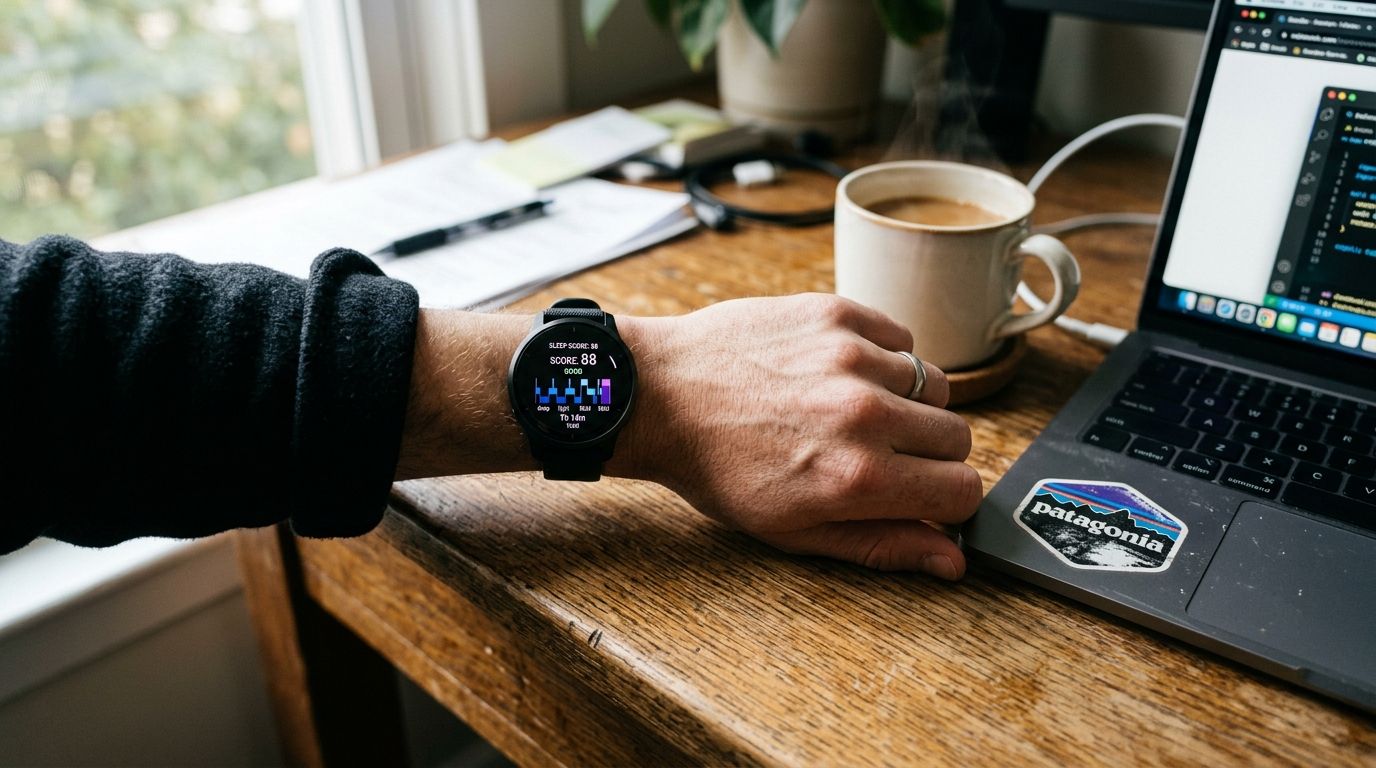
The global sleep economy has crossed $585 billion. It includes mattresses engineered for temperature regulation and weighted blankets calibrated to body weight and melatonin supplements in forty-seven different forms and sleep coaching services and dedicated sleep clinics and a generation of wearable devices that will tell you, in some detail, exactly how poorly you slept last night. The industry has expanded almost in lockstep with the deterioration it claims to treat.
What is worth noticing is that the infrastructure of the sleep economy and the infrastructure of the attention economy are largely the same infrastructure. The companies whose platforms keep people cognitively activated until midnight are often the same companies selling the tools to manage the resulting disruption. This is a pattern that shows up across the technology sector: enormous investment in systems that promise to solve problems, followed by a quieter acknowledgement that the returns are not quite materialising in the ways expected. The sleep economy is a version of the same dynamic. The wearable that reports your sleep quality connects to the same notification ecosystem that spent the previous evening competing for your attention. The loop is not just physiological. It is commercial.

A consequence of the tracking boom that researchers have begun to name is orthosomnia: anxiety about sleep quality generated by data from sleep tracking devices. People who obsess over their nightly scores, checking them each morning with something approaching dread, frequently experience elevated pre-sleep cortisol driven by the anxiety itself, which worsens precisely the deep sleep metrics they are monitoring. The loop is almost elegant in its perversity. The awareness of the problem becomes a driver of the problem, and the product that generated the awareness also generated the anxiety.
None of this means that sleep products are universally useless, because some are not. But the scale of the industry reflects the scale of the failure, and a category that grows because the underlying problem is growing is not a category solving anything. It is a category that has found a way to profit from persistence.
What the Evidence Actually Says Works
Strip away the products and the supplements and the weighted accessories, and what remains of the evidence base for sleep improvement is a short, unglamorous list. These interventions recur across studies with a consistency that the wellness industry has somehow failed to make commercially interesting.
Timing consistency is the most powerful non-clinical tool available. Going to bed and waking at the same time every day, including weekends, anchors the circadian system in ways that compound over weeks. It is not a comfortable discipline to maintain. It requires giving up the weekend lie-in that feels like the only compensation for the week's accumulated fatigue. It works better than any supplement. It costs nothing.
Temperature matters in ways most people dramatically underestimate. Core body temperature needs to drop for the transition to deep sleep to happen efficiently. A bedroom that is too warm suppresses slow-wave sleep specifically and measurably. Most sleep researchers converge on a range of 65 to 68 degrees Fahrenheit, which is meaningfully cooler than the rooms most people sleep in. This is a structural change, not a behaviour change, and it has outsized returns.
A genuine transition window before bed, 30 to 60 minutes of reduced stimulation, is not optional. It is a biological requirement for the nervous system to begin the shift from active processing to sleep-ready. What happens in that window matters less than what stops happening: email, news, high-stakes conversations, anything that requires the threat-assessment part of the brain to remain engaged.
Exercise improves sleep quality through multiple mechanisms, and morning or afternoon exercise tends to produce better outcomes than vigorous activity close to bedtime, which can extend the arousal state. Alcohol accelerates sleep onset and degrades sleep architecture in the second half of the night, suppressing REM and deep sleep while producing the subjective sensation of heavy sleep, which is not the same thing as restorative sleep. The morning grogginess after a night of drinking is not incidental. It is the bill.
The Honest Reset
There is no single correction that undoes what modern life has built. The disruption is systemic and the recovery has to be approached the same way, which means looking at the day rather than just the bedroom. The bedroom is where the symptom appears. The day is where the cause accumulates.
The most honest reframe is this: the question is not how to optimise sleep. It is how to reduce what you are asking your nervous system to carry into the night. Every hour of sustained alertness, every emotional provocation absorbed without being processed, every decision made under stress, every notification responded to past ten o'clock is a deposit into an account that sleep has to clear by morning. When the deposits consistently exceed what the night can handle, the clearing falls behind. The debt grows. The mornings get harder.
What tends to distinguish people who sleep well is not superior discipline or better gadgets. It is that they have found ways, often without thinking of it in these terms, to carry less into the night. They have simpler evenings. They have harder edges around when work ends. They have developed a lower tolerance for being available, which looks like selfishness from the outside and looks, from the inside, like the kind of rest that actually works.
That is not a comfortable conclusion to sit with, because it requires changes that go well beyond bedtime. It requires looking at how you work and what you consume and what you say yes to and what the cumulative cost of those choices is by the time the lights go out. But it is an honest one, and it is the only starting point from which any of the other interventions begin to take hold. Your body knows how to sleep. It has been doing it since before language existed. What it cannot do is sleep well while carrying everything you have handed it. Something has to be set down first.
Frequently Asked Questions
I sleep eight hours and still wake up exhausted. What is happening?
Duration and quality are different things, and the most common cause of unrestorative sleep that meets the duration threshold is a disrupted architecture: not enough time in the slow-wave and REM stages where the genuine restoration happens. Elevated cortisol from stress, fragmented sleep from environmental factors, and the lingering arousal state created by evening screen use all reduce the proportion of deep sleep your brain actually reaches. Eight hours of mostly light sleep is, biologically, a very different experience from eight hours that cycle properly through all stages.
Is sleep debt actually payable?
Short-term sleep debt, from a handful of disrupted nights, can be partially recovered with extended sleep over the following days. Chronic sleep debt, built over months or years, is a more complicated problem. The brain adapts to the deficit in ways that impair its ability to accurately perceive its own impairment. People who are chronically under-rested consistently overestimate how rested they are, which makes the problem self-concealing. There is no weekend recovery programme that addresses structural sleep debt.
What exactly is the glymphatic system?
The glymphatic system is the brain's waste-clearance mechanism, discovered in 2013. During deep sleep, brain cells shrink significantly, opening channels through which cerebrospinal fluid flushes out metabolic waste products, including beta-amyloid and tau, the proteins most strongly linked to Alzheimer's disease. The system is largely inactive while you are awake, which is why consistent failure to reach deep sleep has been connected to long-term neurological risk.
Does less screen time before bed actually make a difference?
Yes, though not primarily for the reason most people cite. Blue light suppression of melatonin is real but modest. The more significant factor is cognitive arousal, the activation state that high-engagement digital content creates and sustains in the nervous system well past the point of use. Reducing screen time before bed is most effective when it is genuine disengagement rather than a switch to a different kind of stimulation.
Why does stress affect sleep even when I am bone tired?
Cortisol is the wakefulness hormone as much as it is the stress hormone. When stress keeps cortisol elevated into the evening, the biological preconditions for deep sleep are suppressed regardless of how physically tired you are. The tiredness and the inability to sleep deeply coexist because they are produced by different mechanisms. Chronic stress also makes the following night's sleep worse by registering sleep debt as an additional stressor, which elevates cortisol further.
How long does it take to genuinely improve sleep quality?
Two to four weeks of consistent implementation is the range most cited in the literature for non-clinical interventions, primarily timing consistency, appropriate bedroom temperature, reduced evening stimulation, and regular exercise. Longer-entrenched disruption takes longer. There is no shortcut that produces lasting results, because the problem is structural and the solutions that work are structural.
Are sleep trackers making things worse?
For some people, yes. Orthosomnia is the clinical term for sleep anxiety generated by tracking data, and it is a documented consequence of wearable sleep monitoring in people who become preoccupied with their scores. The anxiety raises cortisol before bed, which suppresses the deep sleep the tracker is measuring. The monitoring itself becomes a variable in the outcome it is monitoring. This does not make tracking universally harmful, but checking your sleep score each morning as a measure of whether you are allowed to feel okay is a specific misuse of the data.
What is the single most reliably effective non-clinical change?
Timing consistency: the same bedtime and wake time every day, including weekends. It anchors the circadian rhythm, gradually improves sleep architecture, and has the most consistent evidence base of any non-pharmaceutical sleep intervention. It is also the most commercially uninteresting advice available, which may partly explain why it is consistently underrepresented in the coverage of sleep health relative to supplements and devices.
Comments (0)
No comments yet. Be the first to share your thoughts.