The Box Office Is Back, but the Middle Is Gone
Blockbusters own theaters while indie films live on streaming. The 2026 rebound is really a split: event or stream.

The Imax 70mm tickets for The Odyssey went on sale a full year before Christopher Nolan's epic opened, and most of them vanished within an hour. The Hollywood Reporter counted a resale market pushing $300 to $400 a seat. That kind of pre-sale frenzy used to belong to sneaker drops and stadium tours, not a film that wouldn't reach theaters for twelve more months. It is the clearest sign yet that the theatrical experience has become closer to a concert than a habit.
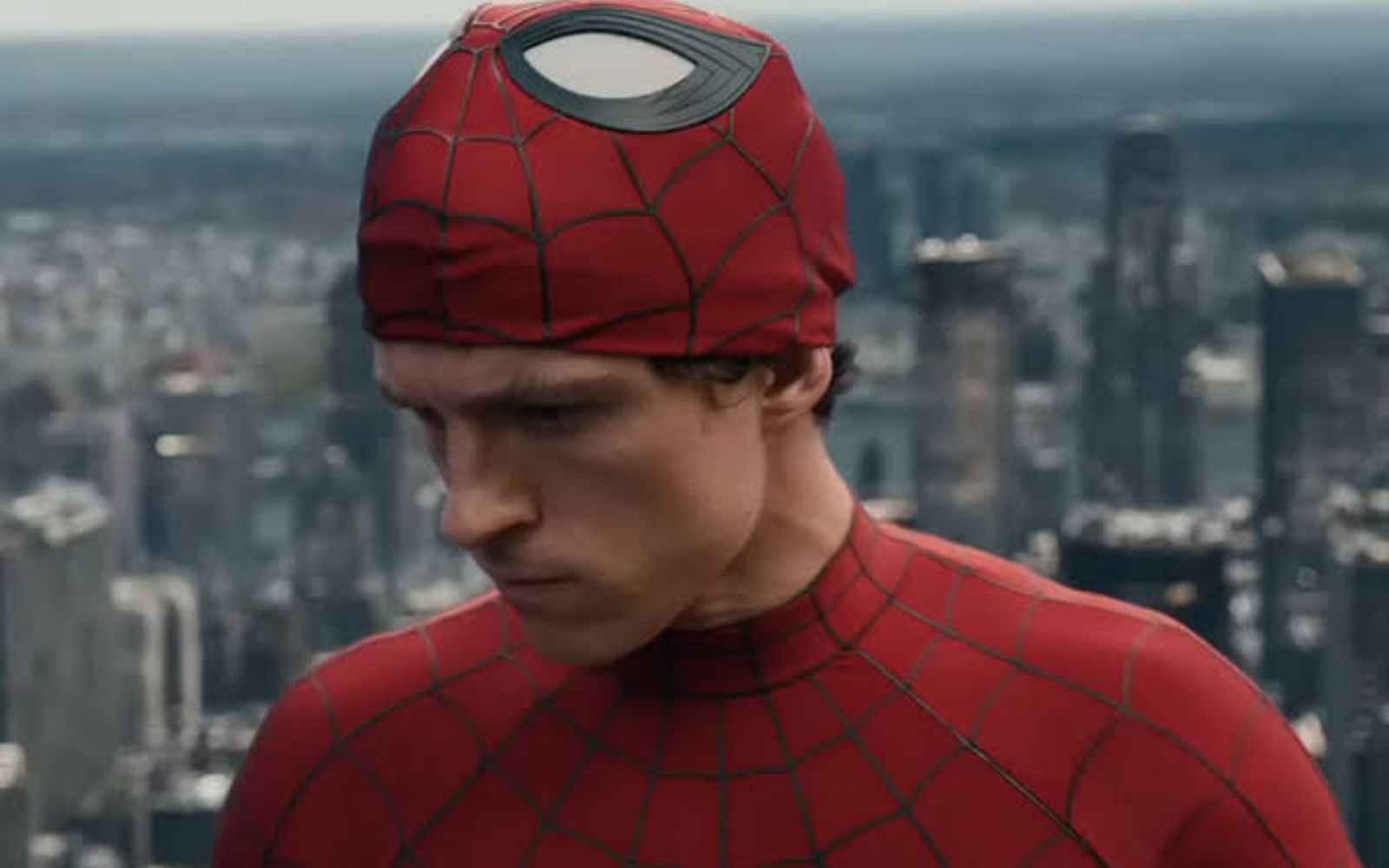
The numbers agree. Spider-Man: Brand New Day crossed $2 billion worldwide in 17 days, the second-fastest any film has ever reached that mark, after Avengers: Endgame. The Odyssey has become Nolan's biggest hit ever, passing $1.29 billion, while Toy Story 5 and the Michael Jackson biopic have each cleared a billion this year. Variety reports the summer box office just hit $4 billion, only the second time since the pandemic, and Hollywood is banking on the first $10 billion domestic year since 2020. But the money is not spread evenly, and the shape of the recovery matters more than the total.
The 2010s routinely topped $11 billion domestically, yet even then the number of films generating those profits kept shrinking. The 2026 rebound has accelerated that concentration. A handful of event titles are carrying the entire calendar, and the mid-budget movies that once filled the space between comic book weekends and awards season have quietly vanished from theaters.
The Middle of the Market Moved to the Couch
Streaming now owns the default moviegoing habit. A US survey put the preference gap in blunt terms: 46 percent of people would rather watch a film at home, while 15 percent choose cinemas. Those numbers say less about quality than about function, and independent film has adapted to that function faster than the industry likes to admit.
Streaming platforms have dramatically reduced the barriers to distribution. A Korean thriller, a Nigerian rom-com, a Chilean festival oddity can now find an audience on any continent without waiting for a US distributor's blessing. That is a genuine democratization, and it has remade the economics of independent cinema in ways the old gatekeepers never managed. But the trade is real. What indie films gained in reach, they lost in cultural gravity.
A theatrical release used to confer legitimacy, and a festival slot used to shape a film's afterlife. Now the premiere and the streaming drop arrive almost simultaneously, and the movie becomes one more title on a shelf, competing with tens of thousands of others for the algorithm's attention. The films that thrive in this system are built for discovery, for word of mouth that travels across time zones, for the slow accumulation of a global audience rather than an opening weekend spike.
What the Event Film Actually Sells
The blockbuster's job has changed too. The Odyssey sold out its Imax previews a year in advance because Nolan shot the entire film with Imax cameras, because it is spectacle engineered for a room full of strangers, because the experience cannot be replicated on a laptop. Variety described Imax CEO Richard Gelfond fielding calls from people who wanted a golden ticket to a preview, as if he could have gotten them into Taylor Swift's wedding. That is the core insight of the 2026 box office: theaters are no longer selling movies. They are selling experiences.
And the audience has responded. Variety credits Gen Z and a string of surprise hits with the rebound, and the demographic that was supposed to have killed cinema is showing up whenever the event is real. Breakouts like Backrooms and Obsession, titles nobody scheduled as tentpoles, kept the summer humming between the giants. What I make of this split is that it is the most honest the industry has been in decades: theaters are for the biggest, loudest, most unmissable things, and nothing else.
The same logic governs the failures. The films that crater in 2026 are the ones that try to be both things at once, too small to justify the trip and too generic to justify the subscription. Event economics have become the only reliable attendance model, the same dynamic that The World Cup's Empty Seats Tell a Bigger Story identified in sports: crowds will pay for a spectacle, but they will not pay for a placeholder.
The Global Audience Is Doing the Heavy Lifting
The recovery is not an American story. Spider-Man: Brand New Day took more than 60 percent of its gross outside the US, and the international numbers are what turn a successful blockbuster into an enormous one. China's Ne Zha 2 became one of the highest grossing films in history in 2025, nearly all of it from its domestic market, and Hollywood has noticed which way the money flows.
Streaming runs on the same global logic. Demand data from the first half of 2026 shows almost nobody holds the top streaming spot for two years running, and the winners are the companies building strength across several channels at once. The constant rotation keeps the market open, and that favors independent filmmakers who can move between territories and platforms in ways theatrical distribution never allowed.
The result is a strange inversion. The biggest films in the world have become genuinely global products, engineered for every market at once, while the smallest films have also gone global through streaming. The only cinema that lost its international passport is the middle, the domestic drama that used to travel on festival goodwill and never quite found a platform. There is a warning in that for the paradox that keeps anime studios broke despite massive hits: audiences showing up is not the same as money reaching the makers.
Two Destinies, One Calendar
So a movie in 2026 has two possible destinies. It can be an event, engineered for Imax cameras and sold a year in advance, or it can be a stream, engineered for discovery and shelf life. The middle ground, the adult drama that opened in 2,500 theaters and played for four months, is becoming an endangered species. Those films have not disappeared; they have relocated.
They are the reason streaming catalogs feel inexhaustible and the reason the theatrical calendar feels sparse. The same month Spider-Man crossed $2 billion, a small independent film could premiere on a streaming service and quietly assemble an audience across three continents. Both of those things are true, and both of them are working. The confusion comes from expecting them to behave like one industry.
The 2026 box office did not come back because audiences rediscovered the habit of going to the movies. It came back because event films gave them a reason that streaming cannot match, while indie film found a home where the theatrical calendar could no longer afford to keep it. The two tracks are not competing so much as dividing the labor, and the films that struggle are the ones that refuse to pick a side. The audience has already picked theirs.
Comments (0)
No comments yet. Be the first to share your thoughts.