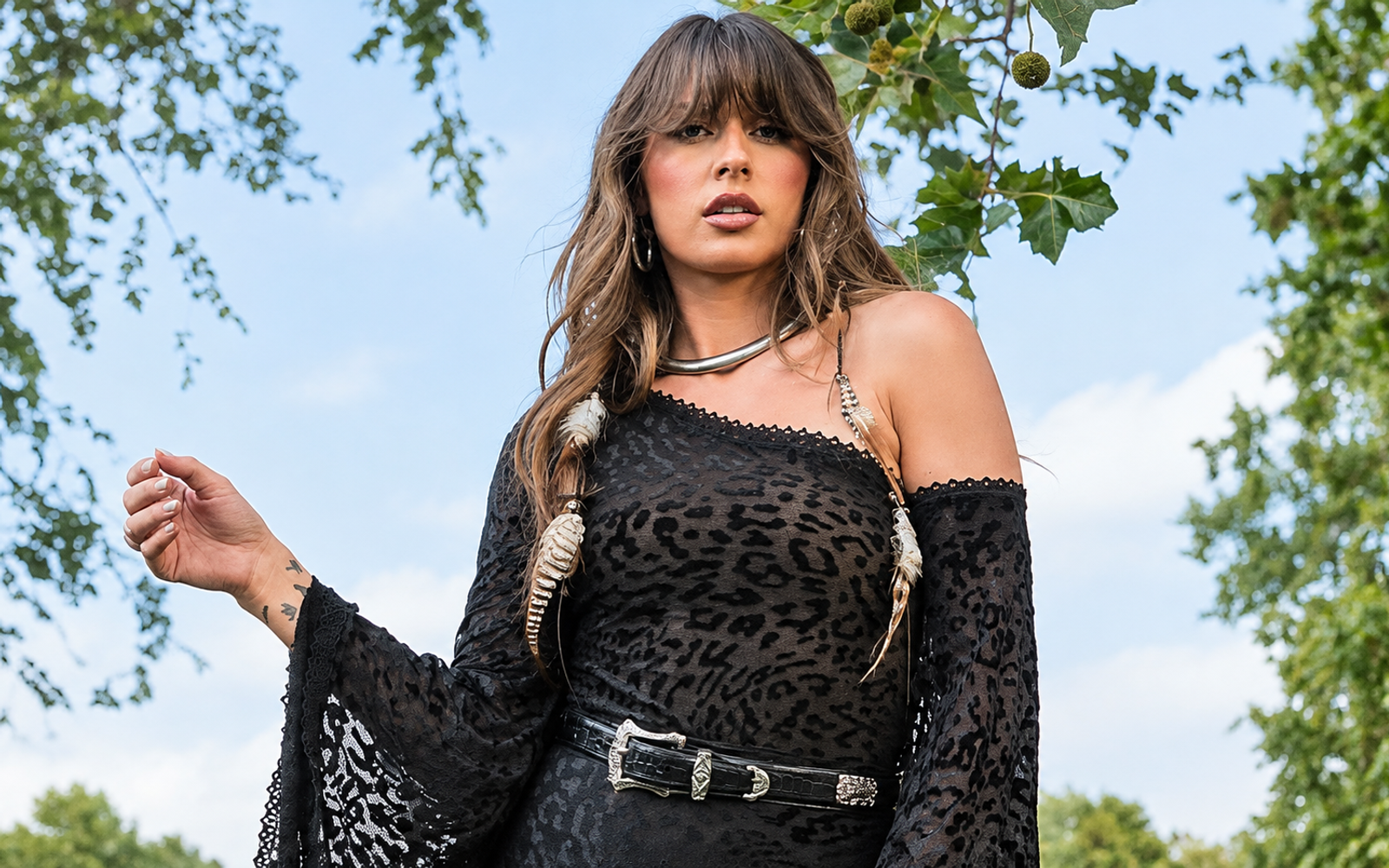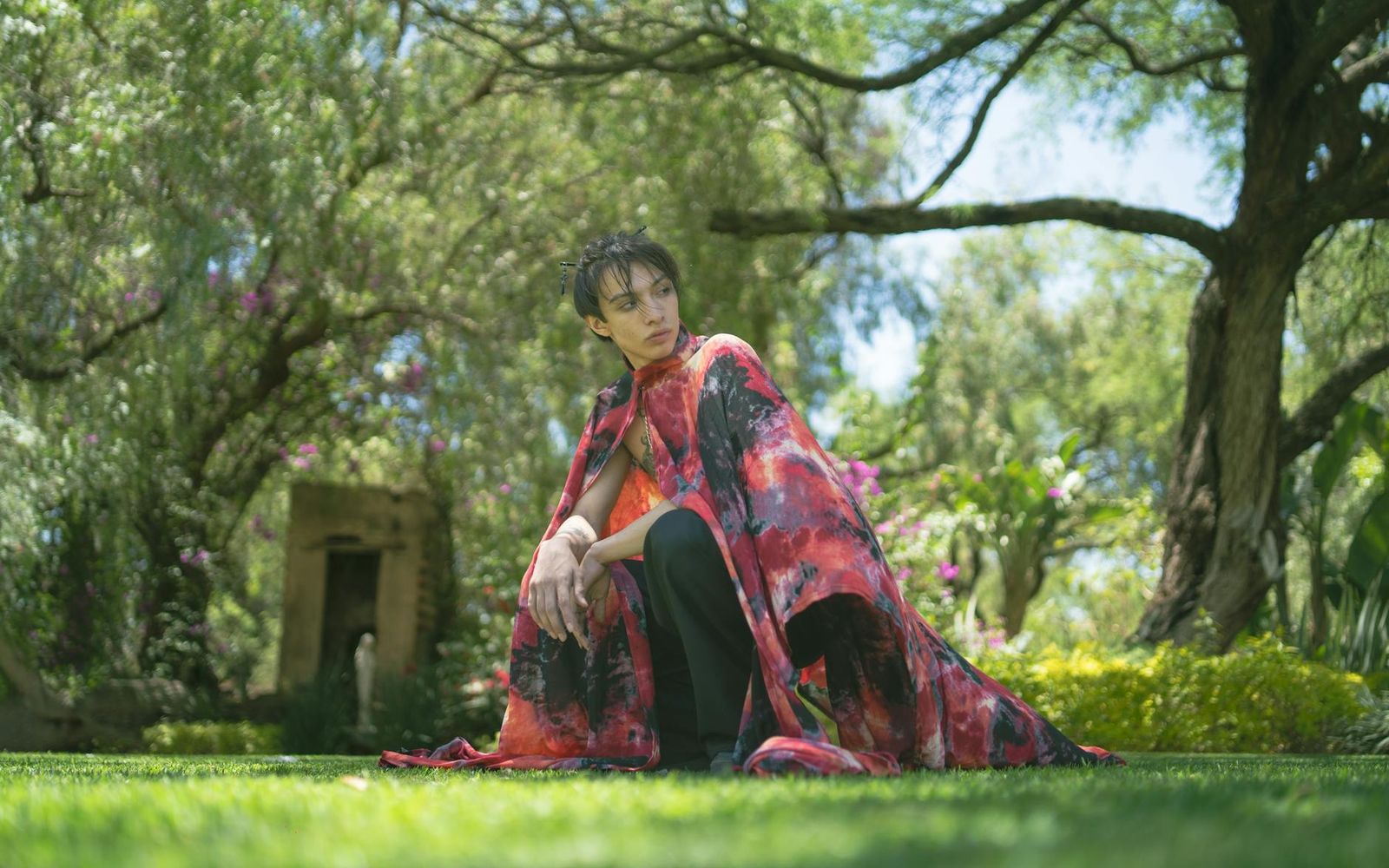
The Cape Is the New Coat, Here’s Why
May’s strongest fashion launches prove one thing: the industry is trading restraint for drama, and the cape is leading the charge.

The first thing you notice is the weight. Not the heaviness of wool or the stiffness of brocade, but the way a single piece of fabric can settle across the shoulders and still feel like nothing at all. The cape from The Row’s May 2026 collection is cut from a sand-colored linen so fine it drapes like water, yet it carries the presence of a garment that has existed for centuries. It is not new. It is not revolutionary. It is, however, exactly what fashion needs right now, a quiet rebellion against the tyranny of the fitted silhouette, the obsession with the body, the endless pursuit of the next micro-trend that lasts three weeks and then vanishes into the algorithm’s void.
This season, the cape is everywhere. Not as a costume, not as a gimmick, but as a practical alternative to the coat, the blazer, the cardigan. At Bottega Veneta, Daniel Lee sent models down the runway in capes that wrapped like bandages, their edges raw and unhemmed, as if the fabric had been torn from a larger bolt and left deliberately unfinished. At Loewe, Jonathan Anderson paired them with high-waisted trousers and nothing else, the cape’s fluidity contrasting with the rigidity of the tailoring. Even at Zara, a version appeared last week, less refined, but no less intentional, sold for under a hundred dollars and already back-ordered in three colors. The message is clear: after years of skin-tight everything, we are finally allowed to take up space.
The cape’s resurgence is not an accident. It is a response. For the past five years, the dominant aesthetic has been one of restraint, minimalism, neutral palettes, the kind of clothing that disappears into the background. It was safe. It was easy to photograph. It sold well. But safety is not the same as strength, and fashion, when it is at its best, is not about safety. It is about risk. The cape, with its inherent drama and its refusal to conform to the body’s contours, is a risk. It demands attention. It moves when you move. It is, in its own way, a form of armor.
This shift toward the dramatic is not limited to capes. The broader trend is maximalism, but not the maximalism of the early 2000s, when more was simply more, more sequins, more ruffles, more logos. This is maximalism with intention. It is the neon green of a Prada dress at the Met Gala, a color so electric it feels almost violent. It is the return of the capri pant, not as a retro throwback but as a practical choice for a world where temperatures are rising and hemlines are not. It is the collaboration between Victoria’s Secret and Agua Bendita, where swimwear is not just functional but a statement, the kind of piece you wear not to the pool but to the party afterward.
What the cape signals
The cape is not just a garment. It is a symptom of something larger happening in fashion. The industry is tired of being told what to do. For years, it has been pushed toward sustainability as if sustainability were a trend, something to be checked off a list rather than a fundamental shift in how clothing is made and consumed. The result has been a lot of noise, recycled polyester, carbon-neutral shipping, biodegradable packaging, but very little real change. The cape, in its simplicity, is a rejection of that noise. It is a reminder that fashion is not just about what we wear, but how we wear it. A cape can be made from deadstock fabric. It can be passed down through generations. It can be altered, repaired, reimagined. It does not need to be new to be relevant.
This is not to say that the industry has suddenly become virtuous. The same brands sending capes down the runway are still producing fast fashion at an unsustainable scale. The same designers embracing maximalism are still relying on overseas factories with questionable labor practices. But the cape, at least, feels like a step in the right direction. It is a garment that asks something of the wearer. It requires confidence. It demands that you move through the world differently, not smaller, not quieter, but with a kind of deliberate presence.
The other signal is the return of joy. Fashion has spent the last decade in a state of perpetual crisis, political, environmental, economic. The clothing reflected that. It was utilitarian, somber, often joyless. But the capes, the neons, the bold prints, they are not just about aesthetics. They are about reclaiming pleasure. They are about the idea that clothing can be fun again, that it can be a form of self-expression rather than just a shield against the world. This is not frivolous. Joy is a form of resistance.
The most interesting thing about the cape’s rise is how quickly it has moved from the runway to the street. It is not a trend that exists only in the rarefied air of fashion weeks. It is already being worn, already being adapted, already being made personal. In London, I saw a woman pair a thrifted wool cape with combat boots and a graphic tee. In Milan, a man wore one over a suit, the fabric so light it fluttered with every step. In New York, a teenager layered a cropped cape over a hoodie, the kind of styling that looks effortless but is anything but. This is how trends endure, not because they are dictated from above, but because they are adopted, reinterpreted, made real.
The question now is where this goes next. The cape is not a passing fad. It is too versatile, too timeless, too open to interpretation. But the maximalist moment it represents may be more fragile. Fashion has a way of swinging between extremes, and the pendulum is due for another correction. The challenge for designers will be to hold onto the joy, the boldness, the sense of possibility, even as the industry’s usual pressures, commercial viability, sustainability, the relentless churn of trends, threaten to pull everything back toward the middle.
For now, though, the cape remains. It is there in the collections, in the street style, in the way people are beginning to move through the world again, not smaller, not quieter, but with something like hope. And if that is not the point of fashion, I do not know what is.
Comments (0)
No comments yet. Be the first to share your thoughts.