The Fame Trade: Why Brands Pay $21.8B for Stars
Jay-Z's HBO docuseries is just one sign. Celebrities aren't endorsing products anymore. They're becoming the market itself.

The news dropped like most culture bombs do these days: quietly, through a press release. Rick Rubin, the bearded guru of stripped-down production, is helming a Jay-Z docuseries coming to HBO. No title yet. No release date. But the market twitched anyway.
Because that's the thing about Jay-Z. He isn't just a rapper or a producer or a streaming platform owner.
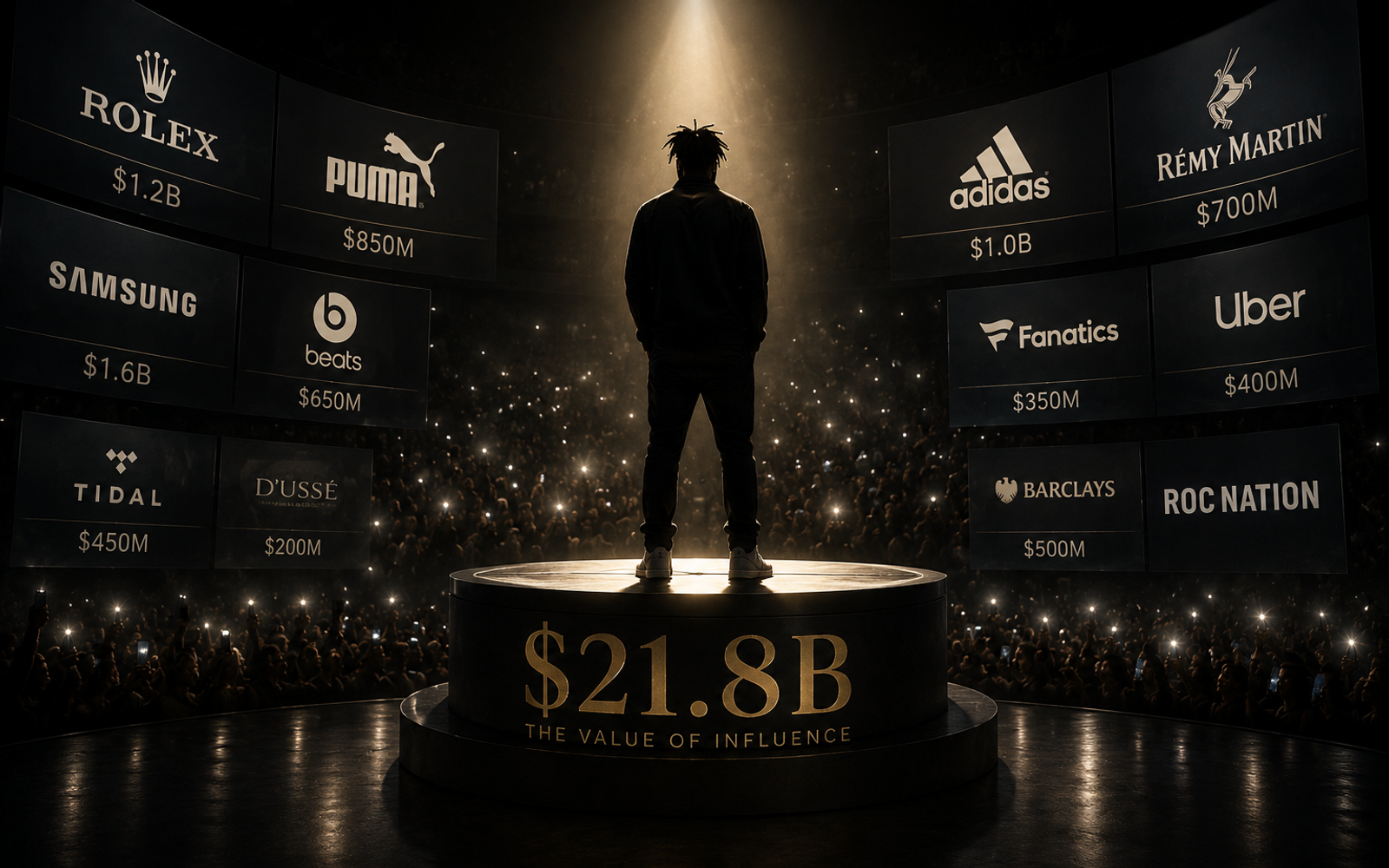
He's a market signal. When he moves, money follows. And in 2026, that dynamic has become the dominant logic of a celebrity endorsement industry projected to hit $21.8 billion, according to a verified report by Gitnux.
The old model was simple. A star holds a product. The brand pays. Sales bump. Everyone goes home. But something shifted somewhere between Instagram Stories and the rise of equity partnerships, where artists don't just promote products. They own pieces of them. And that changes everything about how markets value fame.
The Liquidity of Fame
Celebrity endorsement budgets are surging toward that $21.8 billion figure for a reason. Brands have realised that attention is the real currency and celebrities are the mints. A single post from Beyoncé or BTS member RM can move more units than a Super Bowl ad that cost ten times as much. But the returns aren't evenly distributed.
Gen Z doesn't respond to traditional endorsements the way earlier generations did. A report by Social Life Magazine tracking Gen Z celebrity endorsements in 2026 found that younger consumers can detect a hollow pay cheque from across the internet.
They don't want a celebrity holding a product. They want a celebrity who actually uses it, who has stake in it, who would lose something if the thing failed.
This is why equity partnerships have become the standard. Artists negotiate ownership stakes. They sit on advisory boards. They show up at board meetings, not just launch parties. The line between endorser and owner has blurred so completely that it's almost meaningless to distinguish them. The celebrity becomes a shareholder. The shareholder becomes the product. The loop closes.
Ariana Grande and the Architecture of Want
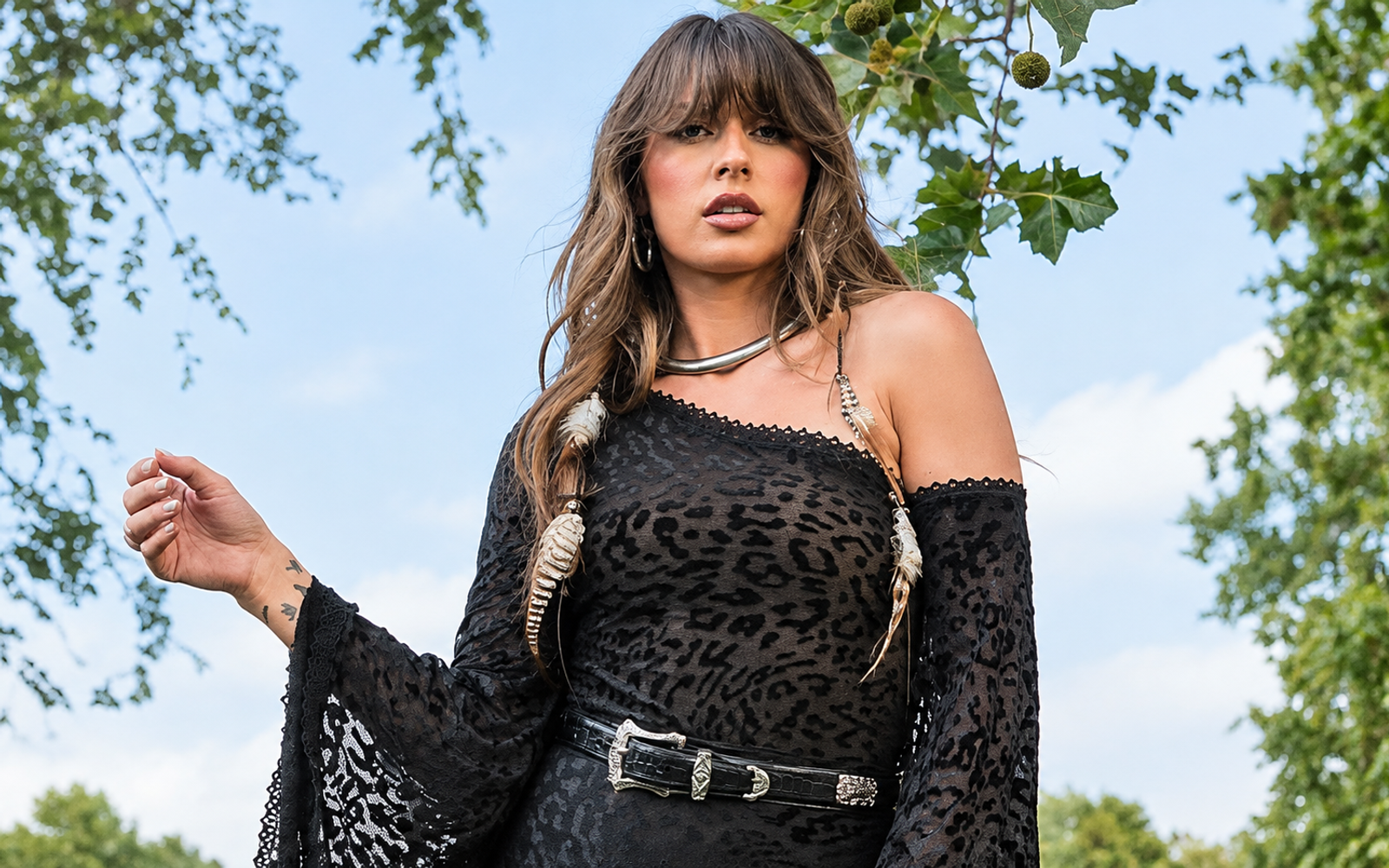
Consider Ariana Grande. Her best outfits over the years, recently catalogued by Vogue, tell a story that goes beyond fashion. Every look she wears in public is a market event. The brand that made it gets searched. The colour she wears sells out. The nail polish shade trends on TikTok within hours. Nothing she wears is accidental. Everything is calculated. And that calculation has a dollar value attached to it.
But the smarter play isn't just waiting for the exposure. Grande, like many top-tier stars now, has moved beyond the passive endorsement model. Her beauty ventures and fragrance lines operate on a different logic. She isn't lending her image to a brand. She is the brand. The distinction matters because it changes the risk calculus. A celebrity who owns equity can't walk away from a scandal the way a paid endorser can. They're locked in. And that lock-in is exactly what investors want to see on a balance sheet.
This model has gone global. In Lagos, Afrobeats stars like Burna Boy and Davido have built endorsement portfolios that mirror their Western counterparts, but with a localised twist. They partner with telecom giants like MTN and betting platforms like BetKing, industries that dominate West African consumer spending. The structure is the same, equity stakes, long-term commitments, co-branded products. But the cultural texture is different. These partnerships feel less like transactions and more like community endorsements, because the artists actually live in those communities. They eat at the same restaurants. They sit in the same traffic. Their credibility isn't borrowed from a focus group. It's lived.
The Seoul to Lagos Pipeline
Across Asia, the influencer marketing machinery runs even harder. K-pop agencies have perfected the art of the celebrity deal to the point where every member of a group like BTS or BLACKPINK has individual brand partnerships worth millions. But the 2026 evolution is cross-border. Korean celebrities are increasingly used to sell products in African markets, a crossover that would have seemed improbable a decade ago.
A Seoul-based beauty brand launches in Nairobi using a K-pop face. An Afrobeats artist collabs with a Korean skincare line. These cultural pipelines used to flow one direction. Now they're a two-way highway. The celebrity influence market has become genuinely global, and brands are scrambling to map it across different continents and consumer behaviours.
The numbers confirm the shift. A study by Stack Influence tracking celebrity endorsement examples in 2026 notes that AI integration is now personalising how these partnerships reach consumers. A fan in Accra sees a different version of the same endorsement campaign than a fan in Berlin. Same celebrity. Same product. Different message tailored to local cultural cues. That level of granular targeting was unthinkable five years ago. Now it's standard.
And it's not just consumer goods. The same logic applies to how startups raise capital, a connection NovaRift explored in a recent piece on why 2026 startup funding rewards proof over hype. Celebrity-backed ventures now face the same scrutiny as any other pitch. Fame opens the door. But the fundamentals still have to hold.
The Risk Nobody Quantifies
But there's a dark undercurrent to all this. When a celebrity becomes a market, the market absorbs their human flaws. Love Island USA recently removed a second contestant for using a racial slur. That's not just a casting problem. It's a balance sheet problem for the brands attached to the show. Every controversial thing a celebrity says or does ripples through portfolios now. The risk used to be reputational. Now it's financial.
And the ecosystem is fragile. BBC presenter Trevor Nelson taking a health-related break from work reminds us that celebrities are mortal. Their endorsements can pause.
Their market influence can flicker. The $21.8 billion industry rests on the continued good health, good behaviour, and good fortune of a relatively small number of human beings. That's not a stable foundation. It's a house of cards dressed up as a growth sector.
Some brands are hedging their bets. They're building portfolios of influencers rather than betting everything on a single A-list star. They spread risk across dozens of mid-tier creators whose combined reach matches or exceeds one celebrity's.
But the trade-off is clear. You lose the gravitational pull of the megastar. You gain resilience. The question is whether resilience matters more than reach in a market that rewards scale above all else.
The Jay-Z docuseries will probably be excellent. Rick Rubin has a track record. HBO has the budget.
But the real story isn't the content. It's the signal. Every time a star of that magnitude enters a new deal, the market recalculates. What does this mean for Roc Nation's valuation? What does it do to Tidal's subscriber base? Does the sneaker he wore in the trailer already have a resale price?
That's where we are now. Not watching celebrities sell things. Watching them become things. Markets. Asset classes. Walking, talking portfolios of borrowed trust and cultural gravity. And the $21.8 billion question nobody has answered yet is what happens when the market decides the asset is overvalued. The correction, when it comes, won't be gentle. It never is.
Comments (0)
No comments yet. Be the first to share your thoughts.