The S$2.1B Cleanse Every Builder Needs to See
Frasers Property's portfolio optimization offers tactical lessons on capital efficiency for every entrepreneur.

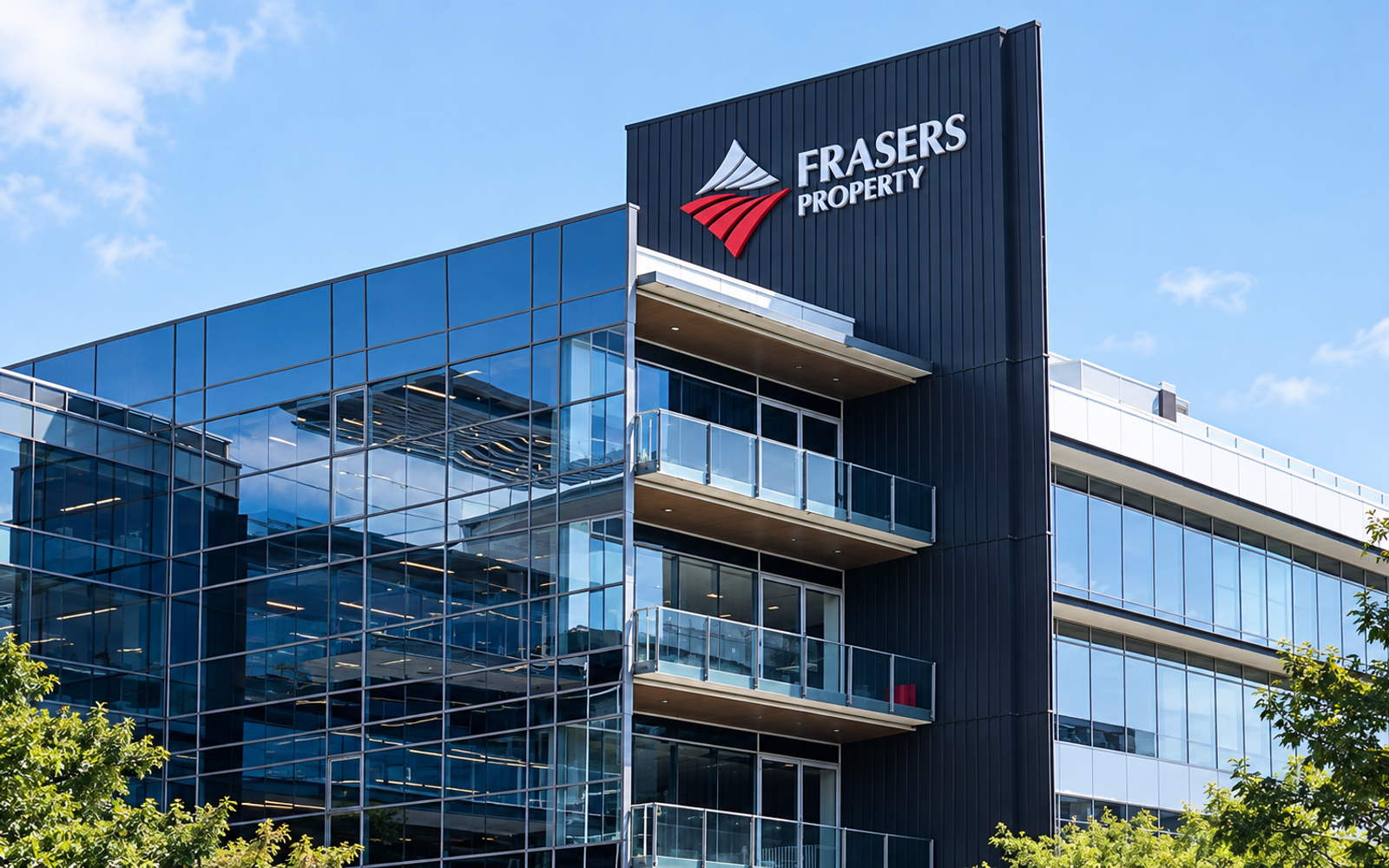
The announcement hit SGXNet on Thursday, June 25. Frasers Property, the mainboard-listed Singapore group, told the exchange it wanted to optimize its hospitality portfolio. The number attached was S$2.1 billion. The Business Times reported the restructuring would reduce on-balance sheet hospitality assets from S$3.7 billion to S$2.5 billion while maintaining S$4.2 billion in assets under management. Let that gap sit for a second. The group expects to control more value while owning less. For anyone building a business, that math is worth more than most MBA lectures.
Entrepreneurship rarely rewards accumulation. It rewards precision.
What Portfolio Optimization Actually Means
The transaction reverses legacy arrangements put in place when Frasers Hospitality Trust first listed. According to Frasers Property's press release, the proposal aims to "reshape the group's hospitality portfolio, enhance capital efficiency and deliver long-term shareholder value." Three goals. Each one applies to creators, freelancers, and founders whether they run a fashion label in Accra's Makola market or a boutique consultancy in Ho Chi Minh City.
Reshape. Enhance. Deliver.
Most builders skip the first two. Instead of reshaping, they accumulate. Another service offering. Another content channel. Another revenue line that dilutes focus instead of sharpening it. Instead of enhancing efficiency, they add headcount or tools without subtracting what no longer works. Instead of delivering value to the core business, they chase revenue at any cost, even when that revenue erodes margins deeper than they realize.
Frasers Property did something different. The group looked across S$3.7 billion of hospitality assets and identified pieces that no longer fit. Rather than holding on out of habit or sentiment, the group designed a structure that unlocked value. Then it moved. Clean. Direct. Unsentimental. The kind of decision-making that separates businesses that endure from those that quietly fade.
The Legacy Trap You Also Carry
Here's where the lesson gets personal for you. Every builder you know carries legacy arrangements. Maybe it's a pricing model you set in 2023 that no longer matches what the market pays for your work. Maybe it's a partnership where the effort you put in no longer matches the return you get out. Maybe it's a software tool that cost S$50 a month three years ago and now costs S$200, but you haven't looked at the invoice in twelve months.
Frasers Property looked at FHT's original listing structure and decided the costs of maintaining those legacy arrangements exceeded the benefits. The group is reversing them. This is the entrepreneurial equivalent of canceling the SaaS subscriptions you signed up for during a growth spurt and forgot about. Or sunsetting a product line that bled cash for three years because you were too attached to let it go. Or finally raising your rates with the client who's been paying 2021 prices.
Consider what you currently hold that needs reversing: - A tech stack that costs more in complexity than it saves in time - A client contract locked at rates set before inflation reshaped your cost structure - A content format that once drove growth but now produces diminishing returns for the same effort
The question isn't whether you have legacy arrangements. You do. The question is whether you've scheduled the audit. Frasers Property scheduled theirs on SGXNet, in public, for all to see. You can do yours privately, but you still have to do it.
Capital Efficiency Crosses Every Market
The logic behind Frasers Property's move shows up in other markets too. In Kenya, Centum Real Estate is preparing to launch a dollar-based Income REIT, aiming to attract foreign investors while insulating returns against currency fluctuations. The REITs Association of Kenya hosted its 2026 conference to push the sector forward across the continent. These moves share a common thread. The same principle applies whether you're operating in Singapore dollars or Kenyan shillings. Structure your assets to maximize flexibility and return, not size on paper.
Startup Hubs Widen Beyond Silicon Valley in 2026 showed how capital and talent flows are shifting globally. Real estate structures are part of that shift. The Ghana Stock Exchange has seen increased activity around alternative investment vehicles. The Nigerian Exchange Group is exploring similar structures. The pattern is consistent. Ownership without flexibility is just expensive nostalgia.
The research consensus over the past decade backs this view. Portfolios that over-weight in direct real estate ownership show return distributions that tilt left. The upside caps out while the downside risk lingers. The solution isn't to avoid the asset class. It's to own it through structures that let you respond when conditions change. Frasers Property understood this. The group is moving from direct hospitality ownership toward a model where it controls the management platform and the recurring income without carrying every asset on its balance sheet.
Same business. Better structure. Better outcome.
The Price of Standing Still
Frasers Property isn't doing this for free. The restructuring carries transaction costs, legal fees, management time, and the risk that shareholders might reject the proposal. Completion is expected before the end of FY2026 pending approval. But the alternative costs more.
Think about what standing still costs you. The hire you should have made six months ago but kept delaying because the current person was good enough. The pivot you keep postponing because the current model isn't broken enough to force your hand. The pricing update that would upset your oldest clients but save your margins. The content channel that once brought in leads but now just takes up space in your calendar. Frasers Property's bet is that proactive restructuring beats reactive restructuring every single time.
A lot of people pay a high price for the comfort of the familiar. The subscription renews automatically. The client keeps paying the old rate. The tool keeps running. Nothing screams. Nothing forces a decision. And slowly, the structure you built for a different era becomes the cage you can't escape.
A Different Kind of Portfolio Review
Here's the exercise. Take out whatever you use to track your business. A spreadsheet. A notebook. The notes app on your phone. Map every asset you hold. Revenue streams. Tool subscriptions. Client relationships. Content channels. Product lines. Team roles. Ask one question about each. Does this still serve the core strategy?
If the answer is no, plan the exit.
If the answer is maybe, put a date on the decision.
If the answer is yes, leave it alone but set a review cadence.
This is what Frasers Property did. The group looked at S$3.7 billion in hospitality assets and decided that S$2.5 billion of them, structured differently, would produce better returns. That took a kind of courage most organizations lack. Most teams add. Few subtract. The ones that subtract well tend to last longer.
You don't have S$2.1 billion to move around. You have something more valuable. You have the ability to act before circumstances act on you.
The next quarter is an invitation to clean house.
Comments (0)
No comments yet. Be the first to share your thoughts.