The Peace Deal That Gave Markets Whiplash
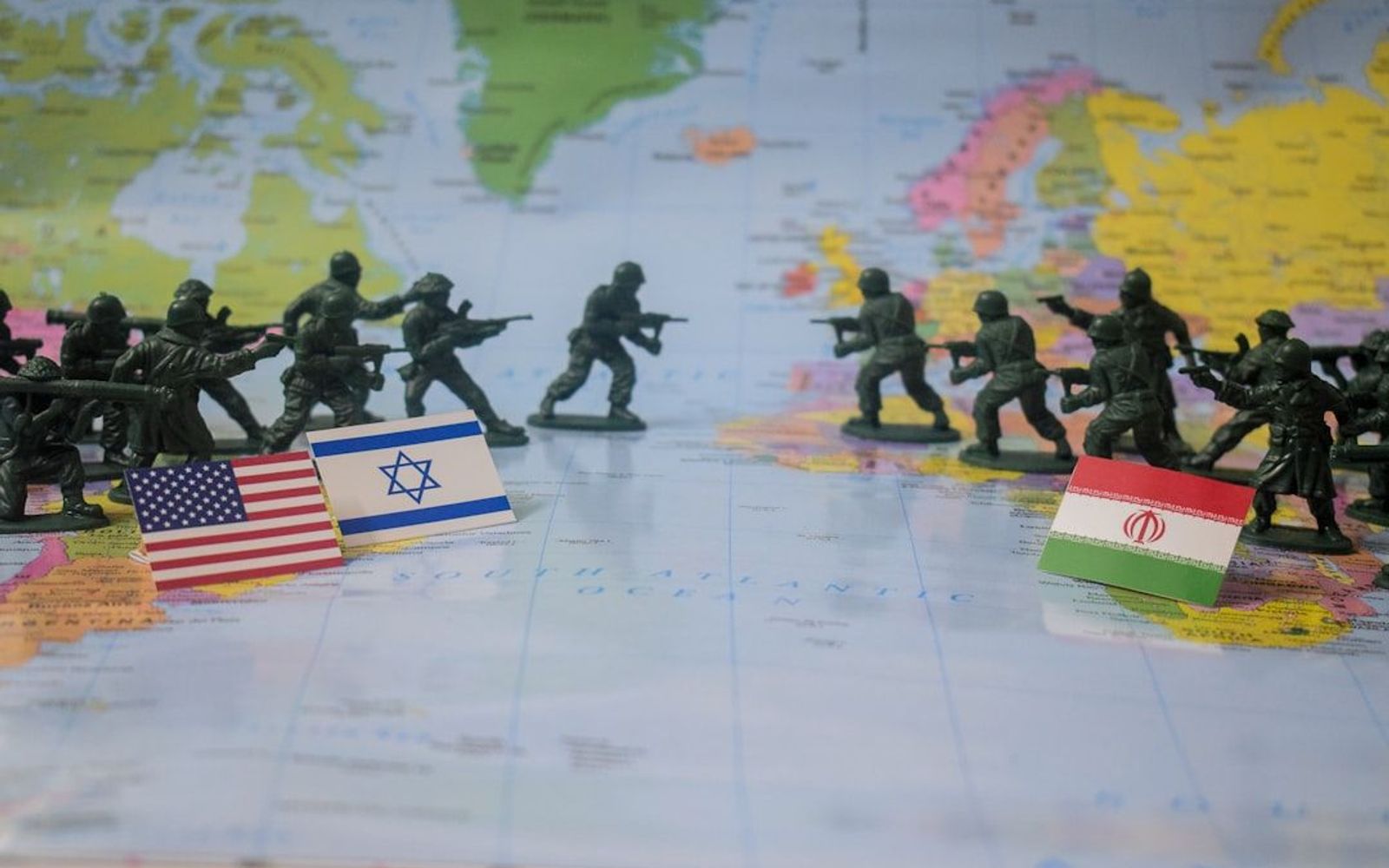
The US-Iran pact sent the Dow on a 1,800-point round trip. Oil crashed. Then reality set in. What comes next for a market priced for perfection.

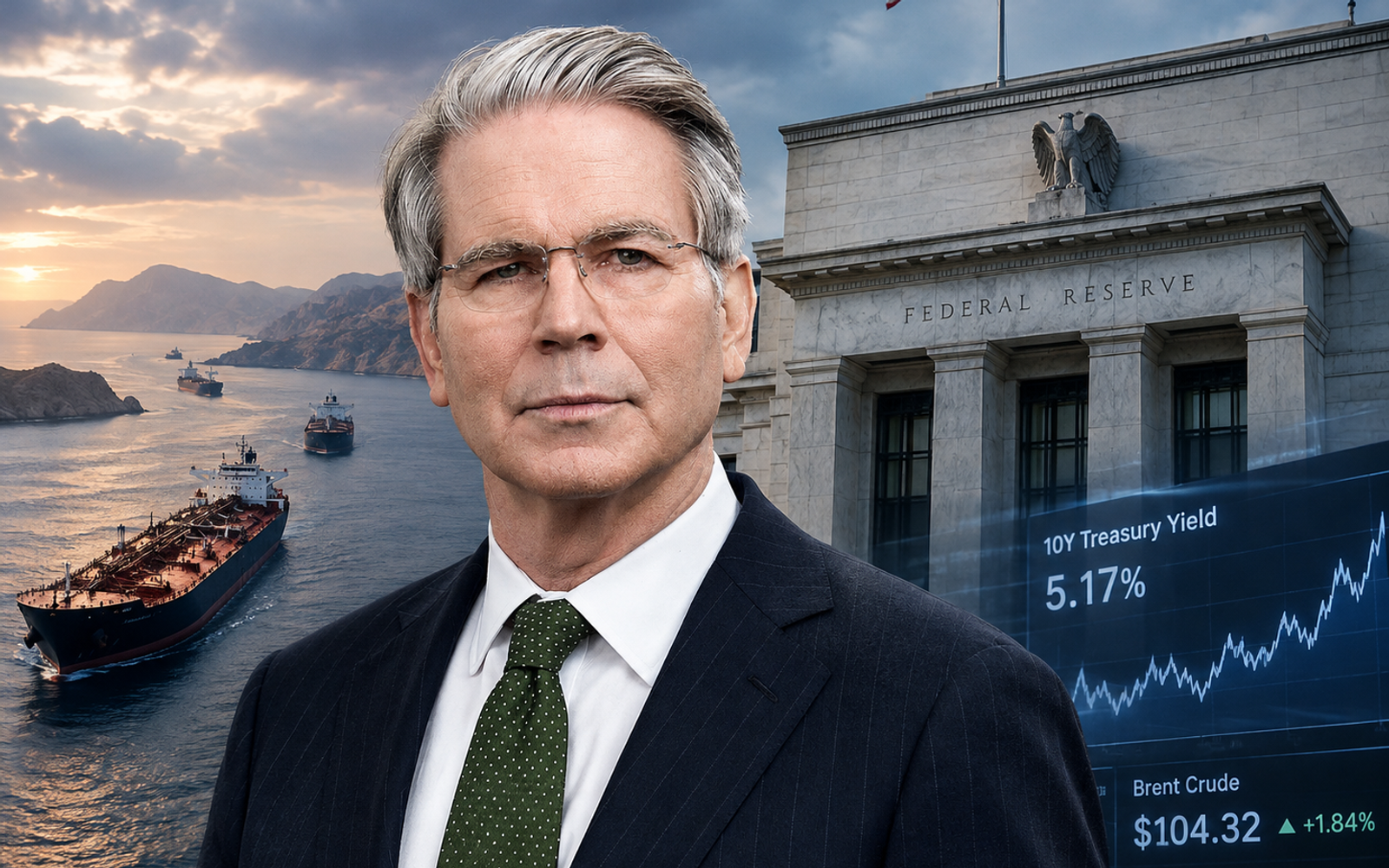
The Straits of Hormuz reopened on paper before any tanker dared test the waters. That gap between the deal and its delivery became the central tension of the week. Markets priced the ceasefire before it was signed, then repriced it when the details arrived.
The Dow Jones Industrial Average surged nearly 900 points in the session following the June 14 announcement that the United States and Iran had reached a preliminary framework to end their four-month conflict. Stock futures climbed Sunday evening as news broke, and oil prices cratered. Brent crude fell to $94.43 a barrel, according to CBS News. The US benchmark slid to $92.18. A market that had braced for a sustained blockade of the world's most consequential oil chokepoint suddenly faced the opposite scenario: supply returning, risk premiums collapsing, and a peace dividend that investors had stopped expecting.
The Initial Euphoria Had a Shelf Life
Within days, the rally fractured. By June 26, the Nasdaq edged lower to close a tough week. Chip makers declined. US crude oil moved back above $70 after fresh US attacks on Iranian positions that neither side called a violation of the ceasefire but that investors read as fragility in the framework. Barron's reported on June 10 that the Dow had already dropped 900 points after President Trump's comments on Iran. That was before the deal. The pattern became clear: war headlines drove violent selloffs, peace headlines drove violent rallies, and the aggregate left the S&P 500 roughly where it would have been without either.
The S&P 500 closed at 7,475 on July 1, down 0.32% on the session but still up nearly 10% for the year, per CNN Business. That is a remarkable number given the context: a Middle Eastern war, crude oil that touched $120 during the blockade, inflation that refused to die quietly, and the highest interest rates in a generation. The market absorbed all of it and still printed a double-digit gain by midyear.
The question now is whether the peace deal changes the second half calculus or simply removes a variable that was already fading from earnings models.
Oil's Collapse Removes the Sting But Not the Scar
The Strait of Hormuz carries about 20 million barrels of oil per day. During the blockade, that flow dropped to near zero for weeks. Tankers sat idle. Refineries scrambled. The US Strategic Petroleum Reserve saw its largest drawdown since the 1990s. Now the deal, formally expected to be signed in Switzerland, promises the strait's reopening. But Al Jazeera reported that US fuel prices will take months to normalise. Producers need time to ramp up output. Port bottlenecks persist. Summer demand is peaking.
That lag matters for Q2 earnings season, which begins in the coming weeks. Analysts at Fidelity noted that S&P 500 revenues have been growing 10% while profits have risen faster, with operating margins at roughly 16%, an all-time high. Much of that growth has been tech-driven. And tech, as it turned out, was the first sector to correct when the peace deal's implications became messy.
Semiconductor stocks led the selloff in late June. The logic was counterintuitive: peace should be good for everyone. But the war had created an artificial scarcity premium for chips sold into defence, energy infrastructure, and supply chain rerouting. Remove the scarcity, remove the premium. Nvidia and AMD both saw their June gains trimmed. The Philadelphia Semiconductor Index posted its worst week since January.
The Nigerian Exception and the African Divergence
If the peace deal created whiplash in New York, it produced something closer to euphoria in Lagos. The Nigerian Exchange Group, the NGX, has returned roughly 63% to 65% in USD-adjusted terms through the first half of 2026, according to Sable Africa's half-year scorecard. That makes it the best-performing African market by a wide margin. Ghana's GSE follows with approximately 60%. Tanzania's DSE sits above 30%. Egypt's EGX is around 23% to 25%. The Nairobi Securities Exchange, the NSE, has gained 16.7%.
South Africa's JSE tells a different story. Flat to modest for the half year, the exchange reflects a market that never fully bought the Iran risk premium in the first place.
Sasol Limited, the energy and chemicals group, has gained 34.4%, but that is a stock-specific story tied to coal and synthetic fuel production, not a broad index move. Rainbow Chicken, a poultry producer, has returned 38%. The JSE Top 40 index sat at 102,624 on June 25, up 1.07% on that session but barely changed from where it started the year.
The divergence matters. African markets that are net oil importers, like Kenya and Tanzania, benefit directly from lower crude prices. The NSE's 16.7% gain is partly a fuel-price relief rally. Ghana, despite being a small oil producer, imports refined products and stands to gain from cheaper imports. Nigeria is the exception: Africa's largest crude exporter should theoretically suffer from lower prices. But the NGX has rallied on currency reforms and a wave of local institutional buying that predated the Iran deal entirely.
The Bond Market Isn't Convinced
The 10-year US Treasury yield hovered near 4.2% through late June and into July. That is the level that broke the market's back in previous cycles. A bond yield at 4.2% makes equities look expensive on a relative basis. The equity risk premium, the gap between stock earnings yields and bond yields, has compressed to levels that historically preceded corrections.
This is where the peace deal intersects with the deeper structural story. Lower oil prices should be disinflationary. That would normally push bond yields down and equity valuations up. But the Federal Reserve has not signalled any urgency to cut rates.
The core PCE deflator, the Fed's preferred inflation gauge, remains sticky above 3%. The labor market is tight. Services inflation is persistent. A single peace deal does not rewrite the inflation playbook.
Investors who expected a sustained rally into the second half are now asking whether the ceasefire simply removed a tailwind that was already priced into elevated multiples. The S&P 500's forward price-to-earnings ratio sits north of 20. That is not cheap by any historical standard. Q2 earnings need to deliver actual profit growth, not just peace optimism, to justify those multiples.
What Earnings Season Will Reveal
Wall Street enters the Q2 reporting period with elevated expectations. Operating margins are at all-time highs. Revenue growth is 10%. Profit growth is even faster. The question is sustainability. Companies that benefited from the Iran war, defence contractors, logistics firms, energy producers, will face difficult year-over-year comparisons if the peace holds. Companies that were hurt by the war, airlines, retailers, manufacturers reliant on Asian supply chains, should see tailwinds.
But the rotation is not clean. The selloff in semiconductors suggests that investors are already front-running the normalisation.
The rally in oil-sensitive sectors like airlines has been modest. The real test will come in forward guidance. CEOs who spent four months navigating a war, a blockade, and the chaos of disrupted trade routes now have to explain what the next four months look like.
Robinhood rolled out its public blockchain this week, a sign that the crypto industry is betting on a friendlier regulatory environment in the second half. Bitcoin traded near $60,000 on July 1, down about 5.7% over the prior seven days. The correlation between crypto and peace deals remains loose; digital assets rallied less on the ceasefire than equities did, suggesting the market views the macro environment, not geopolitics, as the dominant driver.
The Liquidity Drain Nobody's Watching
The Federal Reserve's quantitative tightening continues at a pace of roughly $60 billion per month in Treasury runoff and $35 billion in mortgage-backed securities. That is a slow bleed, not a sudden cut, but it compounds over time. The banking system's reserve balances have declined by nearly $400 billion since the tightening began. When liquidity is draining, markets become more sensitive to shocks. A peace deal that would have generated a sustained rally in 2021 generated a 48-hour spike in 2026.
The Bank of England and the European Central Bank are in similar postures. The ECB cut rates by 25 basis points in June but signalled caution on further easing. The BoE is waiting for wage data. The global monetary backdrop is one of gradualism, not accommodation. That limits the upside for risk assets, regardless of geopolitical developments.
For African markets, the liquidity picture is different. Local currency bond yields in Nigeria have come down as the central bank holds rates steady.
The NGX's 63% rally is partly a catch-up trade after years of underperformance. But foreign portfolio inflows remain subdued. The peace deal does not change the structural issues that keep international capital on the sidelines: foreign exchange shortages, policy unpredictability, and infrastructure gaps.
Ghana's GSE has rallied 60% despite the country still navigating its debt restructuring. The disconnect suggests that local investors are looking through the near-term fiscal pain and betting on a commodity-driven recovery. Lower oil prices help Ghana's import bill but reduce the urgency for the government to finalise its restructuring terms with external creditors. That cuts both ways.
The Path Forward
The US-Iran framework is preliminary. A 60-day ceasefire is not a permanent peace. The agreement includes further talks on Iran's nuclear program, which is precisely the issue that derailed previous negotiations. Polymarket, the prediction market platform, showed the probability of a permanent peace deal by the end of 2026 dropping from 70% in mid-June to 59% by June 30. Markets are pricing the ceasefire. They are not pricing the resolution.
The Dow's 900-point swing in both directions within a single month captures the uncertainty. The S&P 500's 10% year-to-date gain despite that uncertainty captures the resilience. Q2 earnings will determine which number investors remember at year-end.
For now, oil is flowing through the Strait of Hormuz on paper. The tankers are watching the insurance rates, watching the naval patrols, watching the next headline.
That gap between the deal and its delivery is where the market lives.
--- *Disclaimer: This article is for informational purposes only and does not constitute financial advice. Past performance is not indicative of future results. Consult a qualified financial advisor before making investment decisions.*
Comments (0)
No comments yet. Be the first to share your thoughts.