The Fed Hiked Into an Oil Shock. The Long End Noticed.
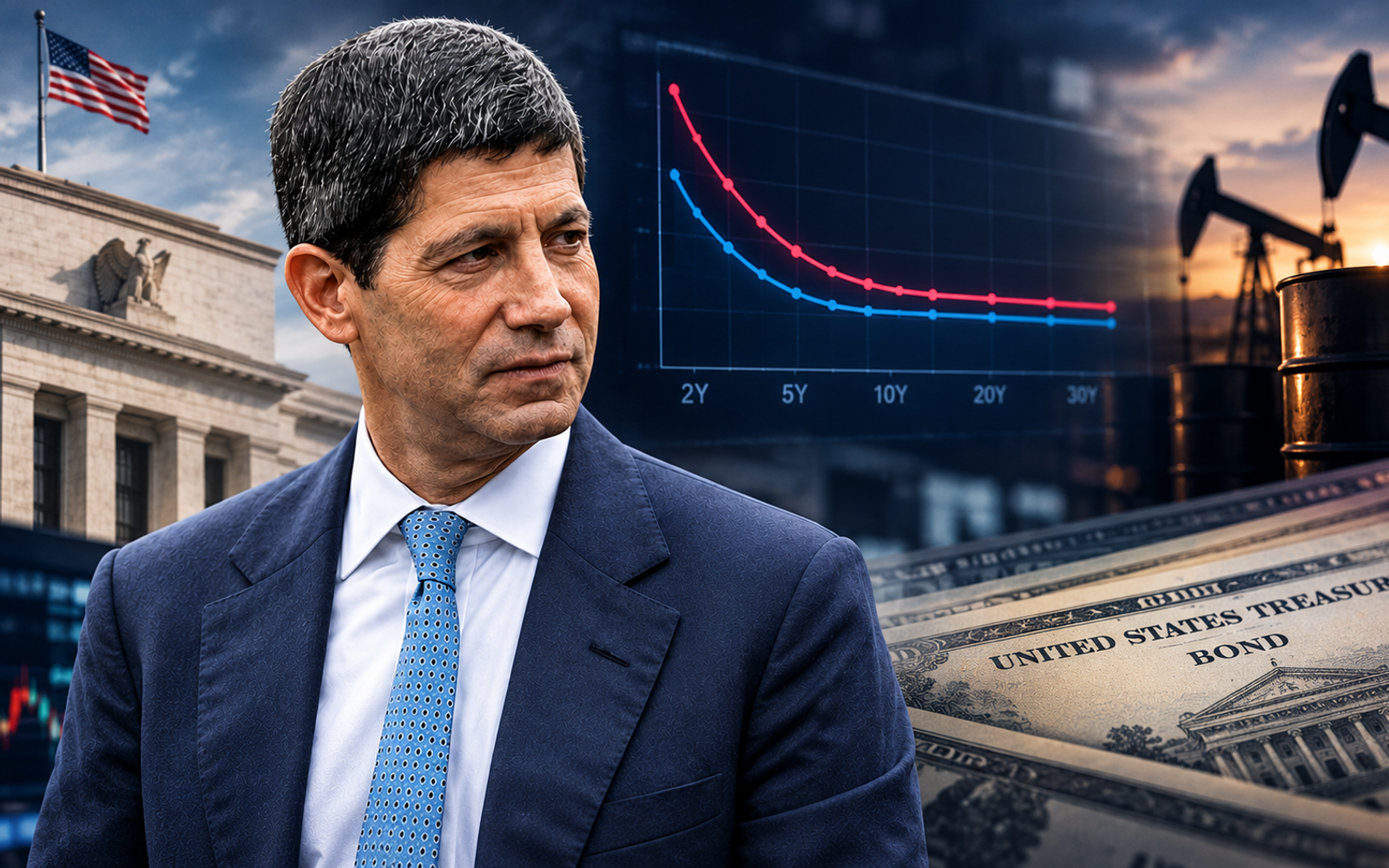
The Fed moved the funds rate to 3.75%-4%. The 10-year hit 5.17%. Two prices, two different stories about 2027.

The Federal Reserve raised its benchmark rate to a target range of 3.75 to 4 percent on September 16, a 12-0 vote that ended a three-year stretch without a single increase, according to CNBC's coverage of the decision. Ten days later, the 10-year Treasury note yielded 5.17 percent, up half a percentage point over the month and almost a full point above a year ago, near its highest level since the mid 2000s. Both prices describe the same economy, and they disagree about what threatens it.
What the Fed Actually Did
The move was small and widely anticipated. A quarter point lifted the overnight rate to 3.75 to 4 percent, the first increase since July 2023, and markets had priced better than a 90 percent chance of it beforehand, as CNBC reported. The unanimity was the detail worth noting, since there had been chatter about possible dissents from a committee that spent August sending mixed signals about how far tightening ought to go. The statement that followed ran to roughly 130 words, continuing Kevin Warsh's preference for saying less in writing and taking questions in person.
Warsh's language at the podium was blunter. "Inflation remains elevated," the committee wrote, adding that the action would "support a timelier return to the Committee's 2 percent goal." The chair said inflation had been "too high ... for too long," and described the bar for pausing as unmet: "Today, the FOMC decided that this standard has not been satisfied."
The data behind the decision left little room for argument. August consumer prices ran 3.4 percent above a year earlier in the September 11 release, and August payrolls added 162,000 jobs. Full employment paired with inflation stuck well above target gave Warsh room to move, and the projections released with the statement showed 16 of 18 participants expecting more tightening before the year is out.
Timing carried its own signal. The hike landed six weeks before midterm elections in which housing costs have become a campaign theme, and a central bank that tightens into an election window is one that has decided its credibility is the more expensive thing to lose.
Read Also
The Rally That Refuses to Make SenseWhy the Long End Isn't Playing Along
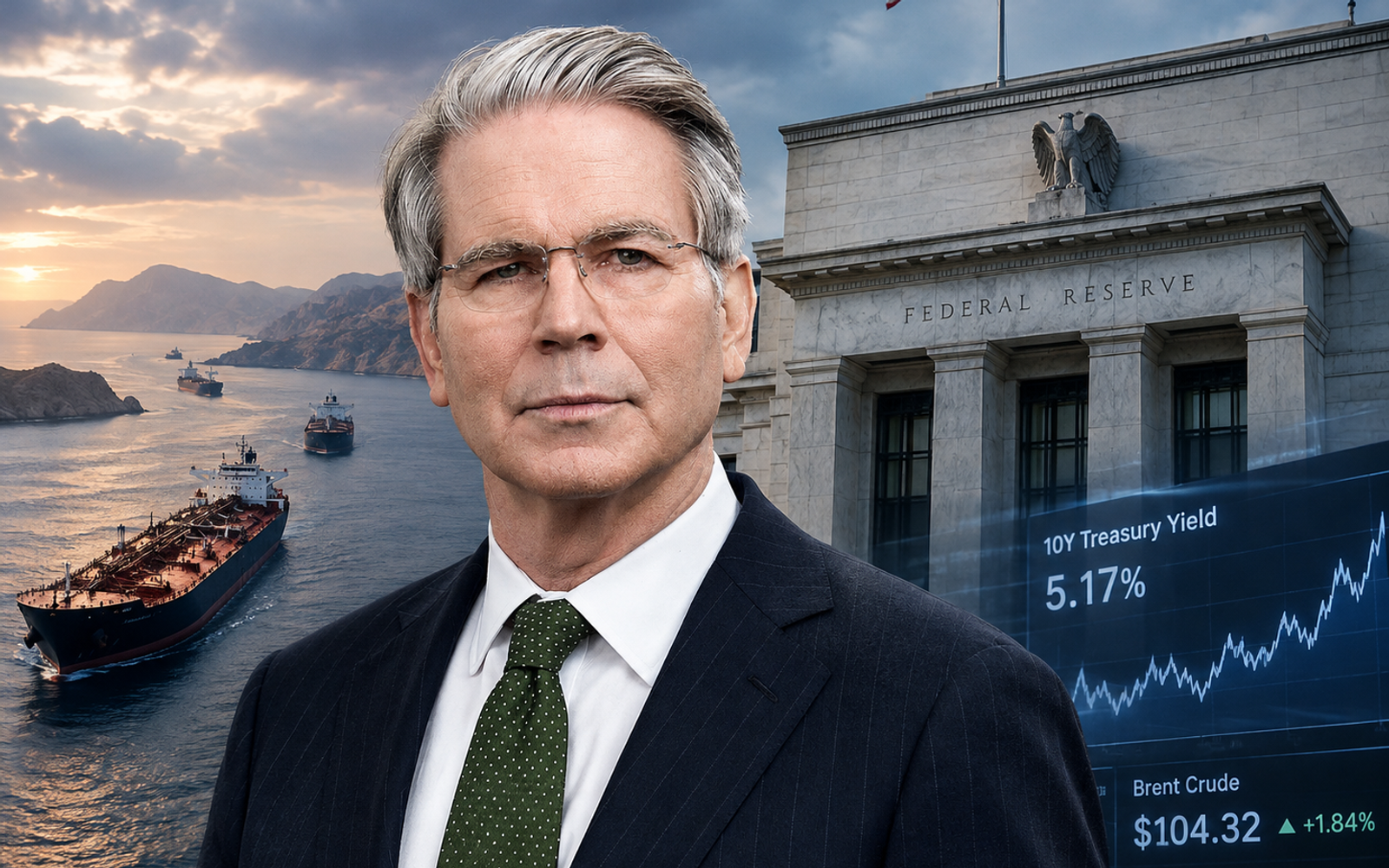
The 10-year Treasury yield tells a more useful story this month than the funds rate. It sits at 5.17 percent, eased four basis points on Friday but still up half a point over the month, and that climb has almost nothing to do with the September decision and a great deal to do with the term premium investors now demand to hold duration. The Fed sets the overnight rate. It doesn't set the price of lending to the US Treasury for a decade.
Two forces are holding that premium up. The first is supply. Deficits and a growing stock of government debt have changed the mix of buyers at the long end, and Treasury Secretary Scott Bessent's expanded buyback program is widely seen as having had limited effect on long dated yields. The second is expectations. The University of Michigan's September survey confirmed a sharp rise in inflation expectations, the outcome a central bank fears most, because it suggests households are starting to treat above-target inflation as the normal state of affairs rather than a temporary one.
This is where the two price signals split. A hike at the front end can persuade people that the Fed intends to defend 2 percent. It can't pull the long end down, and there's a reasonable argument that tightening into a supply driven inflation shock worsens the fiscal arithmetic rather than improving it, since slower growth compresses the tax base that services the debt. The long end is pricing that arithmetic. The dot plot is pricing resolve. Investors who spent last year assuming the next move would be a cut now have to price a curve whose two ends are saying different things.
The Oil Shock the Fed Can't Refund
Brent crude finished the week at $104.32 a barrel, down 2.14 percent on Friday but up nearly 20 percent over the past month and about 51 percent higher than a year earlier. That price is the main reason US inflation stopped falling this year, and it's why Warsh pointed to Middle East tension as a factor in the committee's decision rather than treating the vote as a purely domestic exercise.
The crude trade is a flow story as much as a price story. Roughly 33.7 million barrels moved through the Strait of Hormuz this week, with exports running close to the prior week's pace. Iran's foreign minister proposed reopening the strait and resuming nuclear talks within seven days if Washington accepts conditions that include lifting the naval blockade and unfreezing Iranian assets. Crude has swung several dollars on individual headlines from that negotiation in recent weeks, and traders have also been watching for any US move to restrict diesel exports, which would tighten refined product markets further.
That's the trap in a supply shock. Higher rates can suppress demand for housing and credit, but they can't add a barrel of supply. If crude holds above $100, the Fed's only route to 2 percent runs through slowing the economy enough to offset an energy driven price level, which is a more expensive path than most forecasts admit. The Bank of Japan has held its policy rate at 1 percent while signaling it's ready to tighten again if inflation risks build, a reminder that imported energy costs land on every central bank at the same time.
The Index Is Not the Market
Equity market calm has been the odd part of the month. The S&P 500 rebounded the day after the Fed decision as oil and yields eased, and index level volatility has stayed contained since. Underneath that surface, single name dispersion is unusually wide, which is why the dispersion trade, built on the gap between index volatility and the volatility of individual stocks, has become one of the more crowded institutional positions of the year.
The logic behind the crowding is sound. A rate hike that lands on an economy with strong earnings and full employment filters through very differently by sector. Energy producers and banks pick up support from higher crude and steeper curves. Homebuilders, utilities, and long duration growth names absorb the discount rate hit. AI-linked companies sit in between, with earnings momentum that offsets some of the financing cost and valuations that are sensitive to a 5.17 percent risk free rate, which is the pattern behind AI stocks holding calm while the Fed's language hardened.
Index volatility understates how dispersed the outcomes actually are when the funds rate and the long end are moving for different reasons at the same time. That divergence shows up in sector returns long before it shows up in the headline number, and it's the same mismatch between a broad advance and the weaker picture underneath that a rally can hide for months. The dispersion trade is a bet that the divergence continues. It isn't a bet on the next inflation print.
What October Is Actually Pricing
Money markets now assign roughly a 66 percent probability to another quarter point at the October 29 meeting. That pricing treats September as the start of a cycle rather than a one-off adjustment, and it leans on a dot plot showing a strong majority of officials expecting more. The case is weaker than the number implies.
Much of the current inflation impulse is oil, and oil's path depends on Hormuz and on talks between Washington and Tehran rather than on the funds rate. The long end is also already doing part of the tightening. Mortgage pricing, corporate refinancing, and commercial credit benchmark off the long end rather than the overnight rate, and a 10-year near 5.2 percent is a real drag on exactly the rate sensitive corners of the economy the Fed would be trying to cool.
The more likely outcome is one further hike in October, or a pause wrapped in hawkish language that keeps the option open. Russell Investments put the odds of a US recession over the next twelve months at about 20 percent in its mid-year outlook, which is consistent with a central bank that can afford one more move but not a campaign. Where that lands shows up first in small caps, homebuilders, and regional lenders, the parts of the market that spent last year pricing a cut cycle they never got.
The unresolved variable is barrels, not basis points. If Hormuz flows hold near 33.7 million barrels a week and an interim US-Iran framework moves forward, Brent drifts back toward $90, the energy impulse fades through the fourth quarter, and the October hike gets skipped. If the talks stall and crude retakes $110, the Fed tightens into a slowing economy with the long end already at 5.17 percent, and the adjustment lands on housing and credit rather than on an index level that has barely registered any of it. Futures have assigned the second scenario a 66 percent probability and the first one almost nothing, and that gap between two plausible outcomes is the thing October will settle.
Disclaimer: This article is for informational purposes only and does not constitute financial advice. Past performance is not indicative of future results. Consult a qualified financial advisor before making investment decisions.
Comments (0)
No comments yet. Be the first to share your thoughts.