How Dangote's Refinery Beat the Strait of Hormuz
The refinery hit full capacity in February. The Strait of Hormuz shut in March. Dangote's timing was brutal or brilliant.

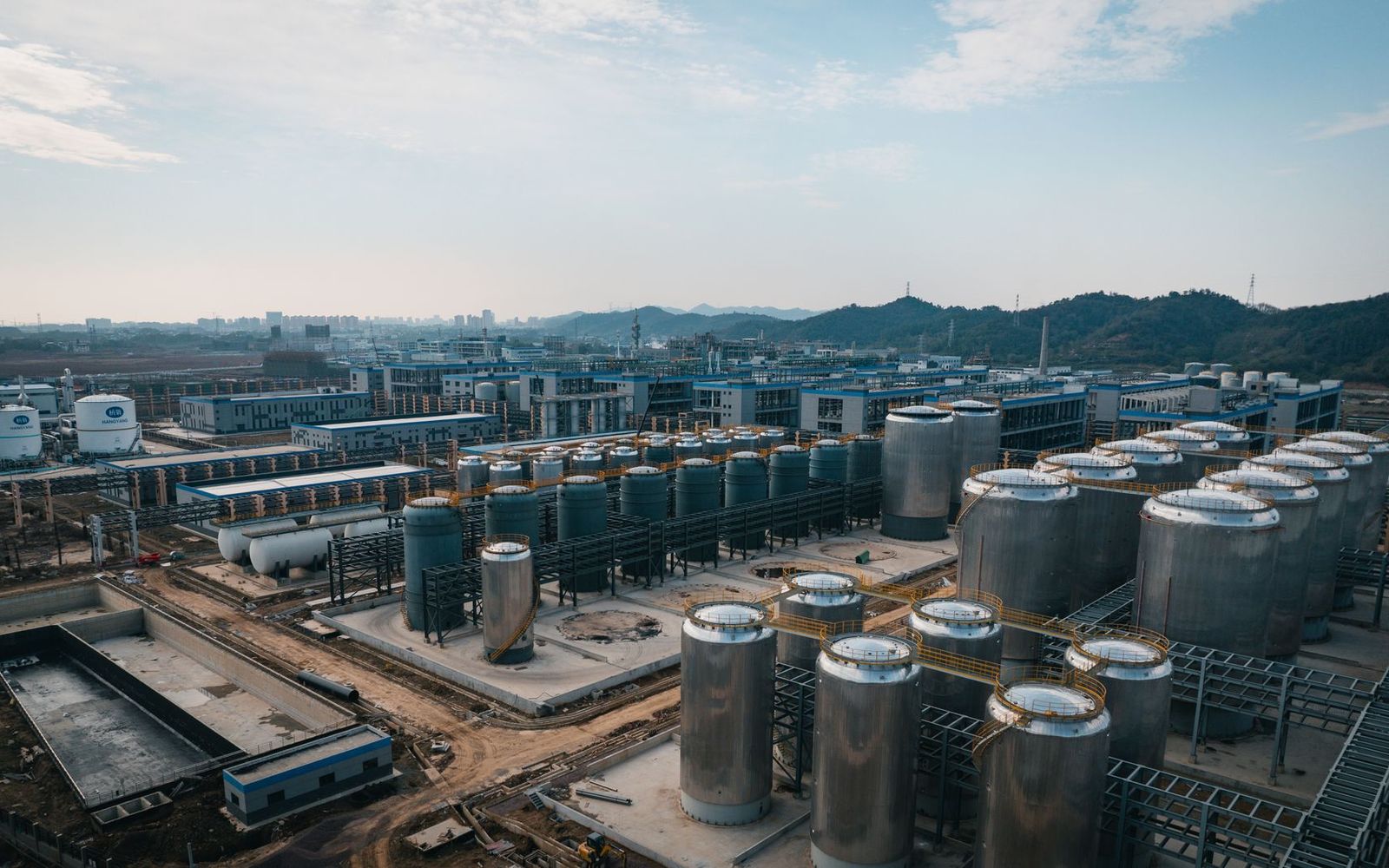
LEKKI, Nigeria, The Dangote Refinery complex sits on a 2,635-hectare peninsula jutting into the Atlantic. In February 2026, after years of delays, cost overruns, and skeptical headlines, the plant hit full refining capacity for the first time. Six hundred fifty thousand barrels of crude could now move through its pipes daily, converted into petrol, diesel, jet fuel, and polypropylene.
Twenty-one days later, Iran shut the Strait of Hormuz.
The timing looks like luck. It is not. The $20 billion refinery is a calculated hedge against exactly this kind of supply chain fracture. Dangote's bet was that Africa needed to refine its own oil rather than ship crude to Europe and import finished fuel back. That bet is now paying off faster than anyone projected.
The $20 Billion Timing
The numbers tell a brutal story. According to the Brookings Institution, the Strait of Hormuz carries roughly 20% of the world's daily oil supply. When Iran retaliated against US and Israeli attacks on February 28, 2026, using drones and missiles to block the chokepoint, the global energy market lost millions of barrels per day almost instantly. Brent crude touched $126 a barrel by late April, its highest level in four years.
For most of the world, this was a catastrophe. For the Dangote Refinery, it was a market opening.
Here is why. Before the refinery came online, Nigeria was Africa's largest oil producer but imported nearly all of its refined fuel. The country sent crude to Europe and bought back petrol at a premium. That arrangement looked foolish during peacetime. During a supply chain crisis, it looked suicidal.
Dangote broke that loop. The refinery processes Nigerian Bonny Light crude and what it cannot source locally, it buys from international spot markets. With the Hormuz chokepoint compromised, that local supply chain became an asset no other major refinery could match.
The US economy absorbed the shock better than most. The May 2026 jobs report showed 172,000 nonfarm payrolls added, well above Wall Street expectations, with unemployment holding at 4.3%. But that resilience masks a divergence: the US produces its own crude and has spare refining capacity. Europe and Asia do not have that luxury. Neither does most of Africa, except for Nigeria now.
What Actually Moves Through Hormuz
Oil dominates the headlines. But a detailed analysis by Berkeley Research Group identified a web of commodities that also depend on the Strait: LNG, helium, fertilizers, and petrochemical feedstocks. These materials feed into everything from food production to semiconductor manufacturing. The strategic risk, BRG concluded, is not conflict in a single maritime corridor. It is the loss of flexibility when multiple constraints tighten at the same time.
The Congressional Research Service noted in March 2026 that US natural gas prices stayed relatively flat while Asian and European prices surged. That divergence matters for Dangote's arithmetic.
The refinery produces polypropylene and other petrochemicals that compete with Gulf-sourced product. When Hormuz supply disappears, Dangote's output becomes the only option for buyers across West Africa and beyond.
A study by Wood Mackenzie projected that oil and LNG supply shortages would persist through Q3 2026, driving a shallow global recession in the second half of the year. For a refinery just hitting its stride, those months of constrained supply are exactly when pricing power peaks.
Dangote's Unit Economics Under Pressure
The math gets complicated when you open the hood. The refinery's operating costs depend on crude input prices, and those have surged. Brent at $126 a barrel means Dangote pays more for feedstock. But the refinery also sells finished product at those elevated prices. The margin question is whether the spread between crude cost and refined product price has widened enough to cover the plant's enormous fixed costs.
Construction ran past $20 billion, making it one of the most expensive industrial projects on the continent. Debt service alone consumes a significant chunk of operating cash flow. According to a CNBC Africa report from February 2026, running at full capacity could cut Nigeria's fuel import bill and ease pressure on the naira by reducing dollar demand for imports. That is a macroeconomic tailwind, but it does not pay the refinery's lenders.
Argus Media reported that Dangote plans to expand the refinery to 1.4 million barrels per day by 2028. That expansion assumes steady crude access. If Hormuz disruption persists, global crude markets tighten and Nigerian production itself faces constraints from aging infrastructure and underinvestment.
Runway is a question of margins, not just volumes.
The refinery's unit economics also depend on something less discussed: the price of Nigerian crude versus Brent. Nigerian grades typically trade at a discount to Brent due to quality differences and theft risks along the supply chain. When Brent surges past $120, that discount widens. Dangote buys local crude at a discount and sells refined product at global prices. That spread is the engine of the business model.
The Export Opportunity Nobody Saw Coming
Before the crisis, Dangote's export plan faced a skeptical audience. Why would European buyers pay for Nigerian refined product when they could source from Mediterranean or Gulf refineries? The Strait of Hormuz changed that calculus.
The refinery has already shipped product to Ghana, Cameroon, Togo, and Tanzania. According to the refinery's public disclosures, large volumes have moved across Africa and into international markets. A New York Times analysis of the crisis found that the biggest beneficiaries of the Hormuz disruption were the United States and countries with domestic refining capacity. Add Nigeria to that list.
Europe faces a particular squeeze. The continent depends on Middle Eastern diesel and jet fuel. With Hormuz traffic restricted, European buyers are scouring alternative sources. Dangote's Lekki terminal sits on the Atlantic, giving it a shipping advantage to European ports over Asian or Gulf competitors that must navigate longer routes or active conflict zones.
The corporate strategy is straightforward. Dangote spent $20 billion to solve a Nigerian problem. The refinery may end up solving a European one too.
Meanwhile, EasyJet rejected a £4.7 billion takeover bid from a US suitor, calling the offer cheap. The British carrier sees more value in its own network than the market currently prices. That is the opposite bet from Dangote, which built an asset the market did not ask for and now finds itself irreplaceable.
The IPO That Changes the NGX
The refinery plans to list on the Nigerian Exchange in Q2 2026. It will be the largest listing in the exchange's history, likely valued somewhere between $20 billion and $40 billion. An IPO during an energy crisis is either genius or madness. The offering will give investors a rare opportunity to buy into a physical asset with pricing power during a supply-constrained market. But it also exposes the refinery's financials to scrutiny that has been limited while the company remained private.
The Dangote Group has previously navigated brand boycotts and political pressure across its cement and sugar operations. The refinery represents a different kind of risk. It is a single, massive, capital-intensive facility with thin tolerances for operational failure. A shutdown at Lekki is not like a supply chain delay at a cement plant. It is a billion-dollar problem.
For the global energy market, the Dangote Refinery is a case study in whether mission statements about energy sovereignty survive contact with real operating costs. The refinery's thesis was always correct: Africa should refine its own oil. The Strait of Hormuz crisis proved the thesis faster and harder than anyone expected. But the cost of proving it was $20 billion, and the payoff is still being calculated.
The numbers are not fully in yet. But the direction is clear. When the Strait of Hormuz closed, it did not just raise oil prices. It redrew the map of which refineries matter.
Dangote's is on that map now.
Comments (0)
No comments yet. Be the first to share your thoughts.