Shipping's $60 Million Weekly Problem
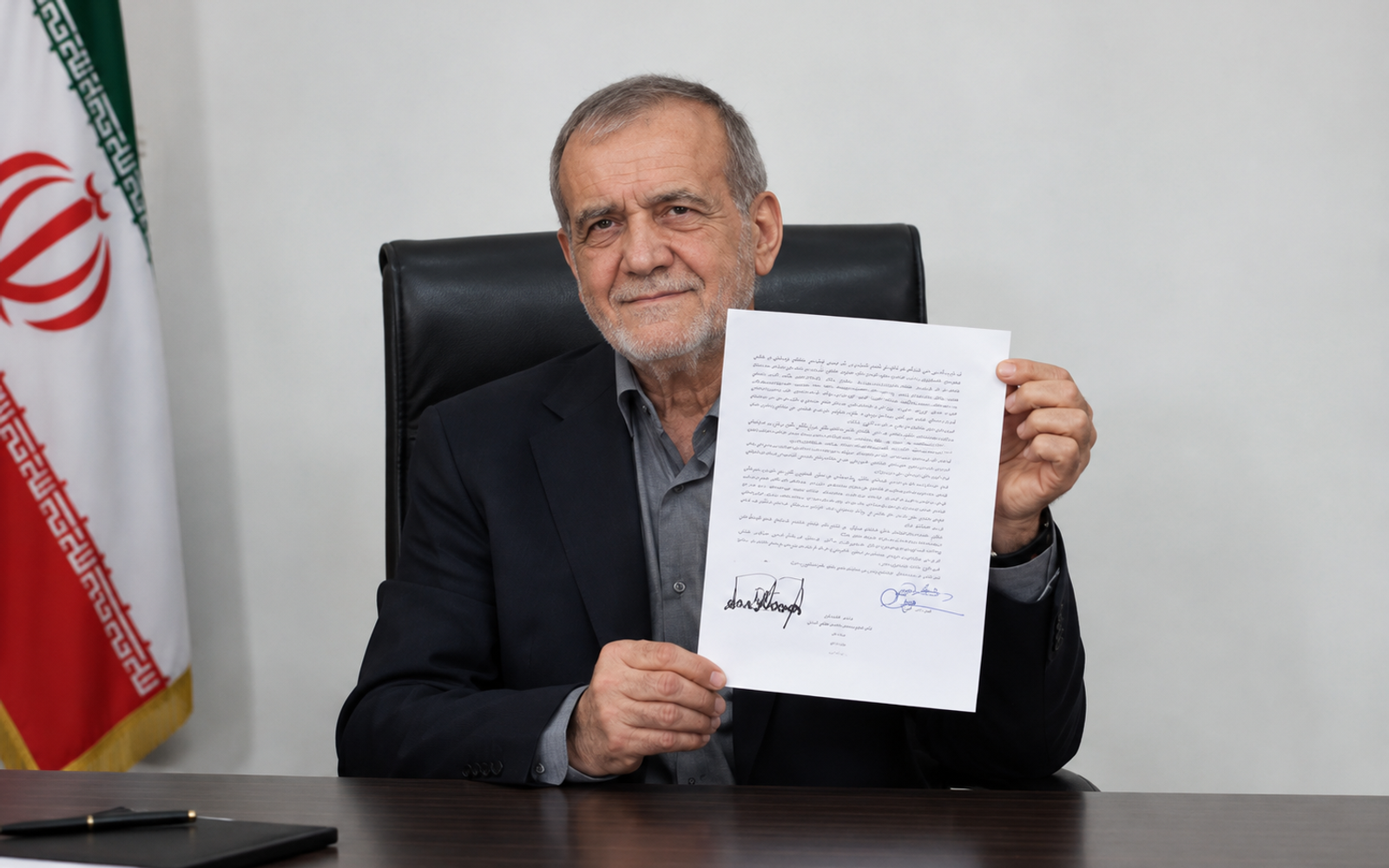
The Iran peace deal is signed. Yet shipping lines still bleed $60M per week on insurance. The lag nobody priced in.

The ceasefire between the United States and Iran is a done deal. The Strait of Hormuz is technically open. Cargo ships are moving again.
Not at the old cost. Not even close.
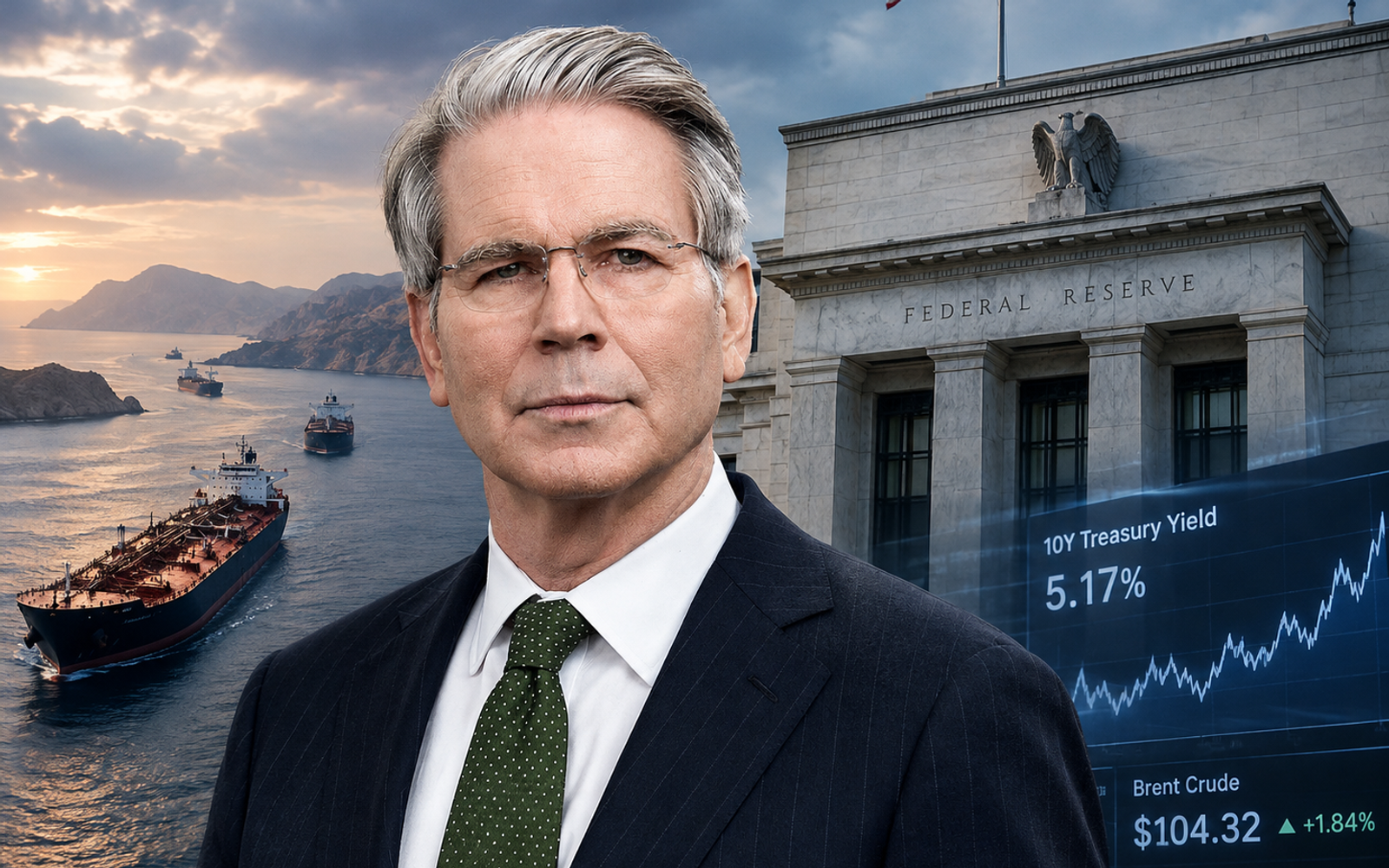
Hapag-Lloyd AG, one of the world's largest container lines, is burning $60 million every single week on the Hormuz situation alone. A Los Angeles Times report confirmed the figure in May. That number has not come down since the peace deal was finalized in June. The reason is straightforward but brutal.
The 4,000x Insurance Spike Nobody Reversed
Before the conflict, a tanker transiting the Strait of Hormuz paid roughly 0.10% to 0.125% of its vessel value for war risk insurance. A single crossing. Nothing special. Routine stuff.
By March 2026, that number hit 2% to 3%. A Howden Re report documented the change as a 1,000% to 2,400% increase. Take the middle figure. That is roughly 2,000 times higher than pre-conflict levels. A voyage that cost $50,000 in insurance now costs over $1 million.
Peace does not reverse the math overnight.
Insurers look at residual risk. They look at the mines that may still be floating in shipping lanes. They look at the militias that may not have gotten the memo. They look at the durability of a deal that could unravel in a single violation. Al Jazeera reported that uncertainty about the peace deal's longevity means rates will stay elevated for months.
The Whipsaw Problem
Shipping companies face a peculiar operational trap right now.
They cannot lock in long-term routes because nobody knows when insurance normalizes. They cannot pass all costs to customers because contract rates were set before the war. They cannot simply avoid the Strait because 20% of the world's oil passes through it. Data from the Wikipedia page on the economic impact confirms the figure. One fifth of global oil. A third of seaborne LNG.
Maersk CEO Vincent Clerc told CNBC in May that the company was facing $500 million in extra costs per month. That is $6 billion in annualized overhang.
Maersk's own customer update from early July welcomed the ceasefire but stopped short of announcing a return to normal operations. The language was cautious. Deliberately so.
The whipsaw effect is real. Companies rerouted vessels around the Cape of Good Hope during the peak conflict. That added 10 to 14 days per voyage. Burned fuel. Burned carbon credits. Burned crew goodwill. Now those vessels are supposed to come back through Hormuz. But the insurance math still doesn't pencil.
The $2.2 Trillion Diplomacy Dividend
The Global Peace Index calculated that successful diplomacy to end the Iran war could be worth more than $2.2 trillion to the global economy in a single year. That is a big number. It is also theoretical.
The actual dividend trickles down in drips. Lower oil prices. Lower shipping rates. Lower input costs for manufacturers. Lower grocery bills. But trickle is the operative word. The pipe is still clogged by insurance margins.
Kamco Invest analyst Mr. Ansari told The National that shipping fees should remain elevated for at least two to three months after the route reopens fully. That timeline started ticking in mid-June. August is the earliest realistic normalization. September more likely.
What This Means for the African Supply Chain
Here is where the story hits the ground for African markets.
Every refinery in Africa that buys Middle Eastern crude pays the freight. Every manufacturer importing Asian goods pays the surcharge. Every consumer buying cooking oil, rice, or cement feels the lag.
Nigeria's Dangote Refinery was designed as a hedge against exactly this kind of disruption. The refinery processes 650,000 barrels per day and sources crude from Nigerian fields. It does not depend on Hormuz transit for its feedstock. How Dangote's Refinery Beat the Strait of Hormuz is not just a clever headline. It is a structural advantage that compounds every week the insurance rates stay high.
The Lagos-based refinery is now running at over 70% capacity. It sells diesel, jet fuel, and naphtha to West African markets that used to depend on imported refined products shipped through the Gulf. Every dollar of insurance cost that a competitor pays makes Dangote's margin wider.
Other African economies are not so lucky. Kenya imports 80% of its petroleum products. South Africa's refineries have been shutting down. Ghana's Tema Oil Refinery operates well below capacity. These markets are exposed to the Hormuz premium with no domestic buffer.
The Carriers' Choice
Container lines have three options right now. None of them are good.
First option: eat the cost. Run the strait at current insurance rates, absorb the $60 million weekly bill, and hope the market softens before the balance sheet cracks. This works for cash-rich lines with strong hedging programs. Hapag-Lloyd can probably sustain it for a quarter. Maybe two.
Second option: reroute permanently. Send everything around the Cape.
Accept the 10-day delay, the extra fuel, the crew fatigue. This works for customers who prioritize predictability over speed. But it shrinks effective fleet capacity by roughly 15% because ships spend more time in transit per round trip.
Third option: negotiate bilateral lane agreements. Secure exclusive passage with government-backed insurance pools. This is what large oil traders are doing. They bundle cargo volumes in exchange for priority transit and negotiated premiums. Small operators cannot access these deals. The market bifurcates.
The Hidden Macro Signal
Wall Street is watching tech volatility this week. The Nasdaq is choppy. AI stocks are sliding. That is the headline.
But the real economic signal is buried in the marine insurance clauses that nobody reads. War risk premiums are a leading indicator of trade friction. When they stay high after a peace deal, they tell you something about the market's trust in that deal.
The New York Times reported that investor strategy for 2026 boils down to one rule: don't fight the White House. The market is betting that Trump's policies tilt toward business-friendly outcomes.
The Hormuz situation complicates that bet. Peace is good. But peace with 4,000x insurance premiums is not the peace the market priced.
Per the TradingKey analysis of Trump's Q1 2026 financial disclosures, the president's portfolio made massive gains on Big Tech bets. Those gains correlate with the same AI-driven momentum that is now wobbling. The geopolitical discount the market assumed would vanish after peace is stubbornly hanging around.
The Oil Price Feedback Loop
Here is the vicious cycle nobody wants to talk about.
Elevated insurance means fewer vessels transit the Strait. Fewer vessels means tighter supply. Tighter supply means higher freight rates. Higher freight rates lift the landing cost of crude. Higher crude prices give Iran more fiscal breathing room. More fiscal breathing room reduces Iran's incentive to fully comply with every term of the peace deal.
It is not a conspiracy. It is a feedback loop built into the structure of the market.
Insurance rates will not normalize until there is a track record of safe transits. But safe transits are expensive as long as insurance rates are high. Someone has to blink first. Usually it is the underwriters. They accumulate premium income, see no losses, and start cutting rates. That process takes 90 to 180 days.
CFOs of companies with exposure to Middle East shipping lanes should budget for elevated costs through Q4 2026. Not Q3. The market consensus is too optimistic.
Procurement teams should dual-source wherever possible. The Dangote model, even if you cannot build your own refinery, is to reduce single-point-of-failure exposure. That means warehousing closer to demand, building inventory buffers, and locking in contracts with multiple carriers.
The peace deal was a necessary condition for supply chain normalization. It was not a sufficient condition.
The insurance market is voting with prices. The vote says the risk is not gone. It is priced. And the price is $60 million a week for one carrier alone. Add up the costs across every line operating in the Gulf. The total is staggering.
Peace was the easy part. The hard part is proving it will hold.
Comments (0)
No comments yet. Be the first to share your thoughts.