The $81 Doll That Explains the Dead Celebrity Economy
Mattel's $81 Marilyn centennial doll turns a dead icon into licensed property, and the pink gown tells the whole story.

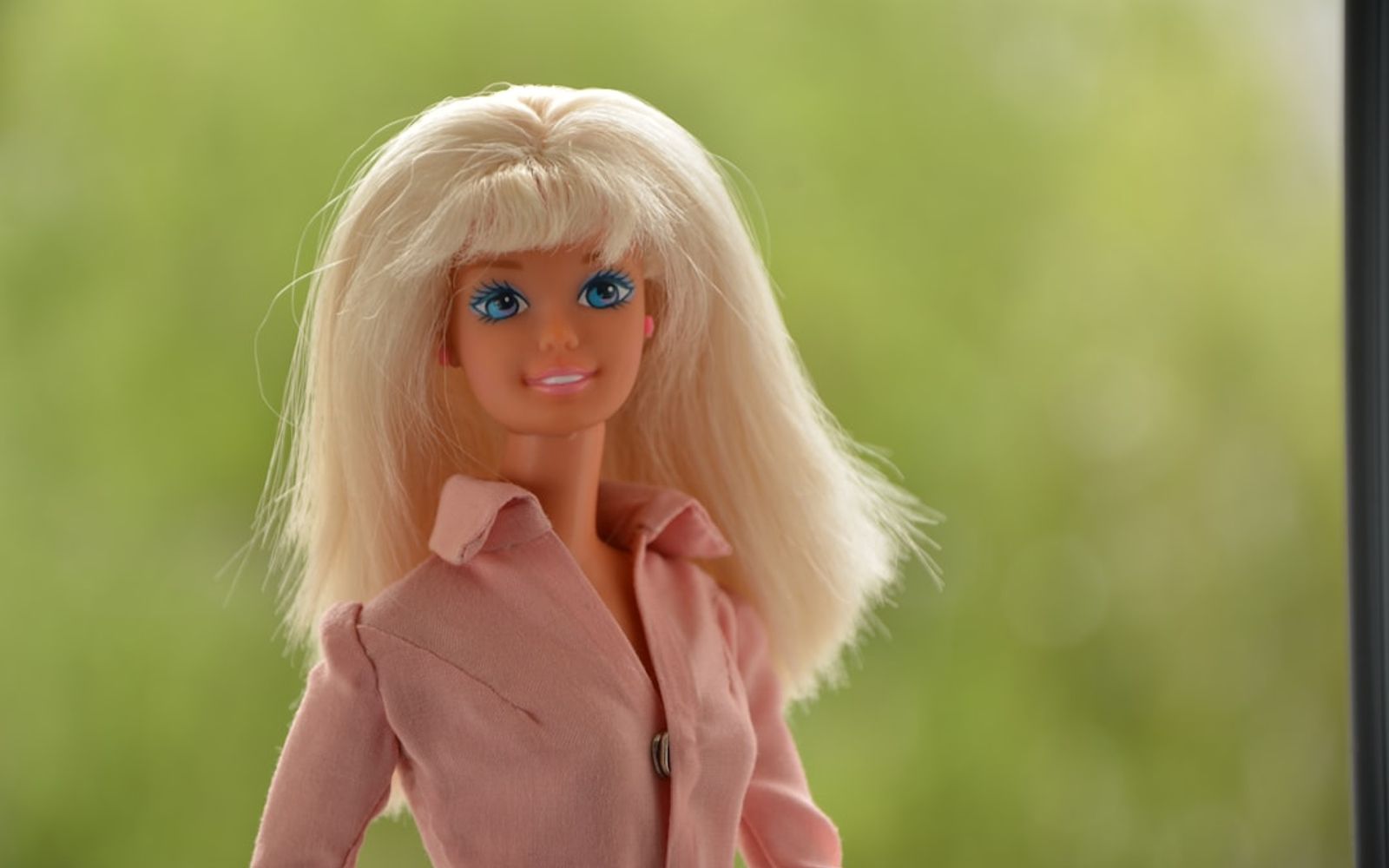
The drop went live at 9 a.m. Pacific on August 18. By the afternoon, the collector economy was running its usual routine: box-condition checks, face-screening debates, resale projections calculated before the shipping label was printed. The object of all that attention is an $81 doll. Mattel's Barbie Signature Marilyn Monroe Centennial Edition wears the pink satin halter gown from the "Diamonds Are a Girl's Best Friend" number in Gentlemen Prefer Blondes, ships with a display stand and a certificate of authenticity, and exists for a single reason: Monroe would have turned 100 this year.
Centennials are supposed to be about remembrance. This one is a product launch, and the product says more about how fame works now than any tribute reel could. The doll is the cleanest emblem of the dead celebrity economy, the system where an icon's afterlife is managed like a portfolio and nostalgia is manufactured to a release calendar.
The Estate Helped Design It
The detail that matters more than the dress comes from The Hollywood Reporter's coverage: the Marilyn Monroe estate collaborated with Mattel on the design, and the toymaker has now produced seven dolls in Monroe's image. Seven separate licensing events, each one a small resurrection. The estate as co-designer is a strange and very modern arrangement, the dead approving their own merchandising from beyond the grave.
Monroe died at 36 in 1962, her image already fought over by studios, photographers, and the men who ran her career. Six decades later, the fight is over, and the settlement looks like this: a management company approves the face paint, a toymaker ships the result, and the archive keeps paying out. The woman who spent her career being treated like a commodity has now had that status made official, with a certificate of authenticity to prove it.
The arrangement is brutally efficient, which is exactly why it works. Every new doll, every rerelease of a film, every licensed scent is a small claim on a permanent present tense. Monroe no longer needs to do anything to stay famous. The estate does the work for her.
The Centennial Class of 1926
Monroe was born June 1, 1926, which makes her part of the most productive birth year in the modern icon business. Queen Elizabeth II arrived in April of the same year. Miles Davis followed in May, John Coltrane in September, Chuck Berry in October. Five faces that still move product, all born within twelve months, all crossing the century mark in the same marketing season.
But 2026 has turned out to be less a year than a nostalgia dividend, and the estate economy runs on a calendar now. Anniversaries are planned years ahead, the way studios plan release slates, and the hundredth birthday is the biggest date on the ledger because it feels final. A fiftieth anniversary is a tribute. A centennial is a franchise event, the moment an icon becomes fully licensed property, like a song entering the public domain except in reverse. The estate isn't losing control. It's cashing in.
So the centennial class of 1926 is being processed in real time: commemorative editions, archive reissues, and, in Monroe's case, a doll designed with the approval of the people who own her name. The birthdays are the hooks, but the product is the point. A hundred years after these five were born, their images are the most reliable inventory in entertainment.
Barbie Was Built as the Corrective
The deeper joke is structural. Barbie arrived in 1959 as the wholesome alternative to the pin-up era, the doll parents could buy without the baggage, the one who promised girls they could be anything. And now the corrective has become the vessel. The most famous doll in the world has been dressed as the most merchandised woman in Hollywood history, and the irony is so complete that it stops reading as irony.
The pink gown is a costume of a costume. Monroe was already performing a fantasy in Gentlemen Prefer Blondes, playing a character who sang about diamonds while wearing one of the most copied dresses in cinema. The doll performs Monroe performing Lorelei Lee, three layers of artifice sealed in a window box. Collector culture loves that layering, which is why a piece of molded plastic at $81 can feel like an heirloom. The doll is a nesting doll of borrowed identities.
That layering is also why the release landed without much protest. A Marilyn Barbie would have been a scandal in 1962 and a debate in 1992, but in 2026 the licensing of a dead woman's face is so routine that the main collector complaint is about the mold quality. The outrage economy has moved on to fresher wounds. The centennial doll gets to be pure product, admired for its craftsmanship rather than argued over as a symbol.
The Box Is the Product
The certificate of authenticity is doing the real work. Nostalgia at this scale is a scarcity business: the doll retails at $81, but the secondary market decides what the memory is worth, and the unopened box is the only guaranteed appreciating asset in the room. This is the same risk-averse math that dooms streaming season twos, the logic that says when the proven property exists, you don't gamble on the new thing. Monroe is the most proven property in the American image library, instantly recognizable sixty-four years after her death, still selling without making a single new appearance.
The economics reward the patient buyer. Buy two, hold one, sell the other when the estate announces the next anniversary drop, which it will, because the archive is a renewable resource. Every centennial is a new vintage of the same product, and the collector base is conditioned to treat each release as a limited run of a permanent idea.
That is the transaction the centennial makes visible. The woman is gone, the archive is the asset, and the estate, according to The Hollywood Reporter, is still in the room approving the designs. The doll in the window box is the receipt.
So the centennial Marilyn will spend its afterlife the way it started: in a box, behind plastic, priced and appraised and waited on. Monroe never got to be the one holding her own image, and the doll version won't either, though it will at least appreciate in value while it waits. That's not a tragedy or a triumph, just the final form of a transaction that began in the 1950s, when a studio decided her face was worth more than her peace of mind. The pink satin is archival, the smile is painted on, and the certificate of authenticity is, fittingly, the most honest document in the set.
Comments (0)
No comments yet. Be the first to share your thoughts.