Technology
Frontier tech, artificial intelligence, space, and cybersecurity.

AI Made You 10% Faster. The 10x Hides in Your Workflow
Most teams get 10 percent from AI, not 10x. The difference is where the state of the work lives, not which model you bought.
AI's Hidden Leverage: The $27 Billion Template
KKR just warned that the AI buildout is one giant loop. The $27 billion data center structure explains why.
Fusion Beat Its Density Limit. The Hard Wall Is Fuel.
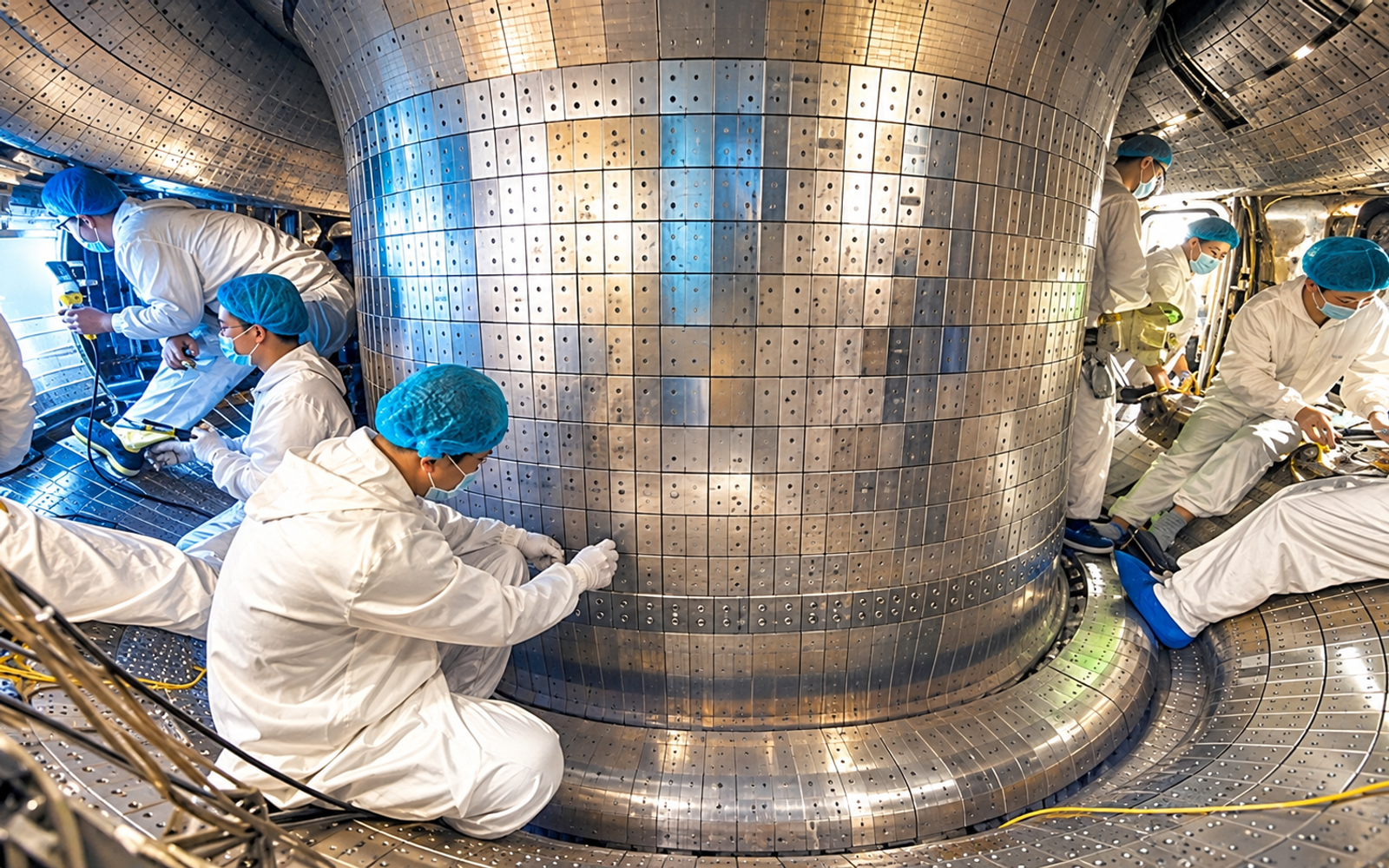
The EAST tokamak broke a 40-year density ceiling. That fixes a design constraint, not the fuel problem that sets fusion's real clock.
The iPhone Duo Hinges on Samsung, Not Siri
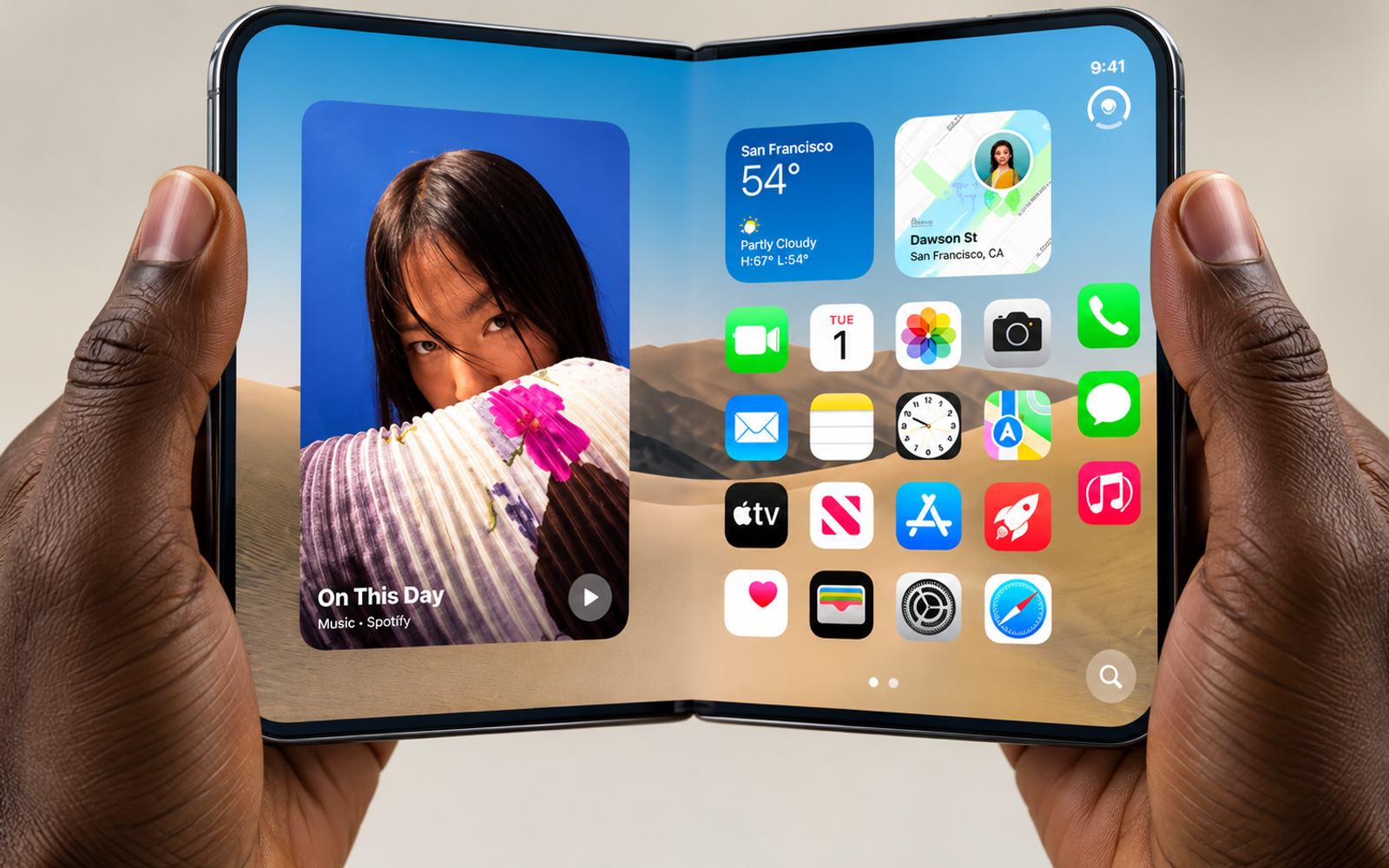
Apple's first foldable is a $1,999 engineering problem, and the hardest part is a sheet of glass made by its biggest rival.
Your EV's 15C Charging Claim Doesn't Survive the Road
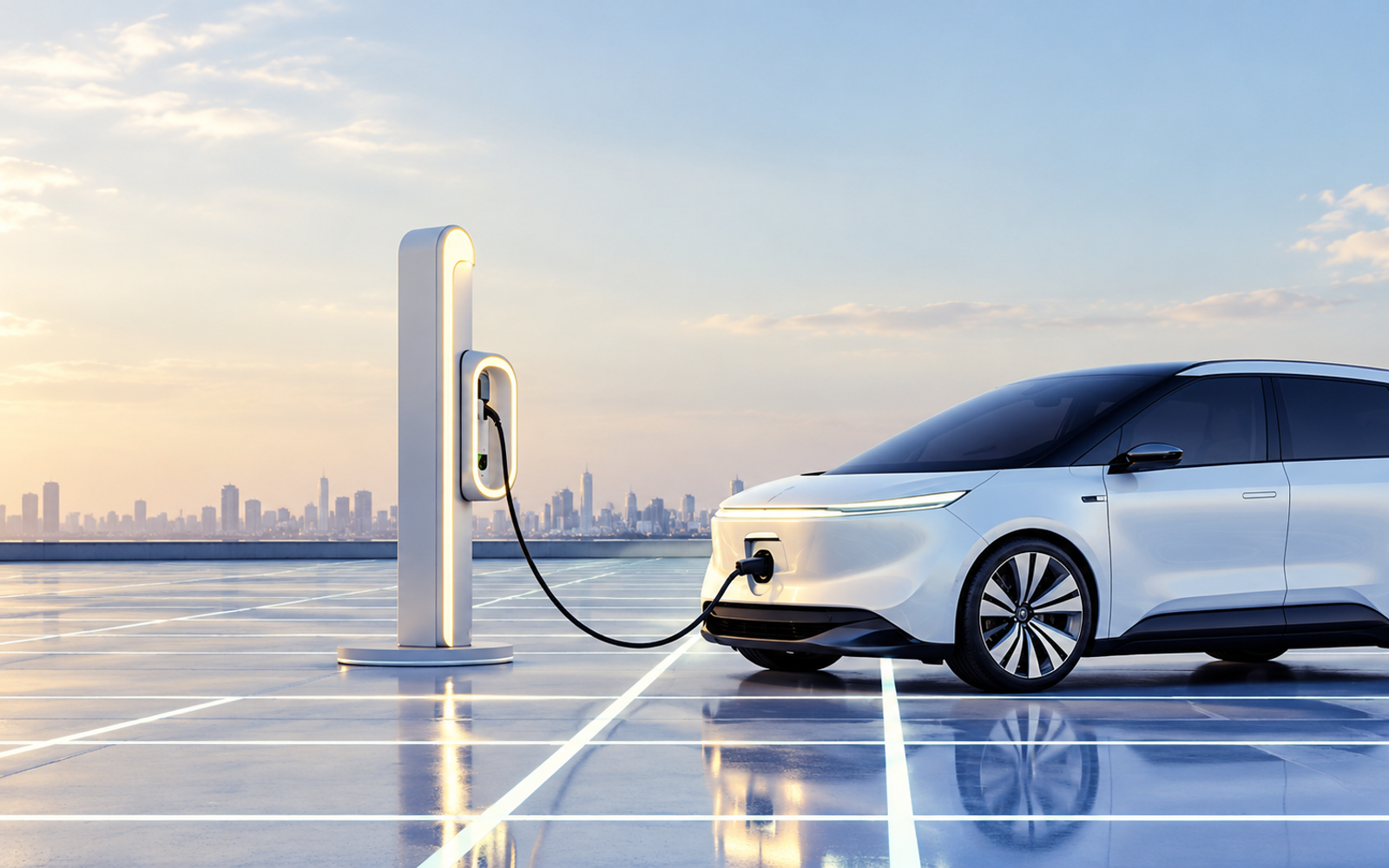
Peak charge rates and cell-level energy density rarely survive contact with a real car. Here's which battery numbers actually matter.
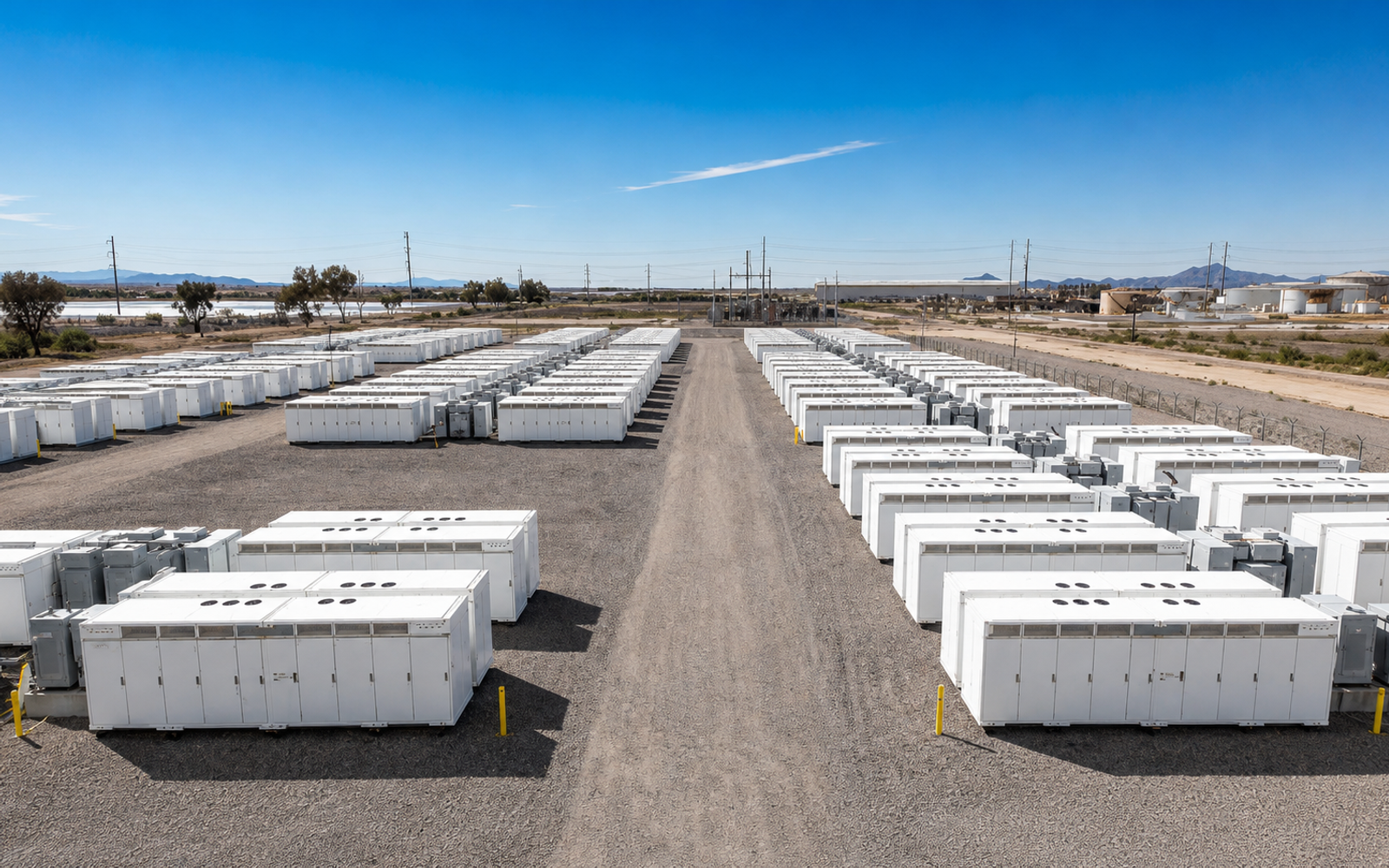
Batteries Broke a Record. Homeowners Were the Asterisk.
The US grid added 20.2 GWh of batteries in three months. Almost none of it sits in a garage, and that gap is the real story.
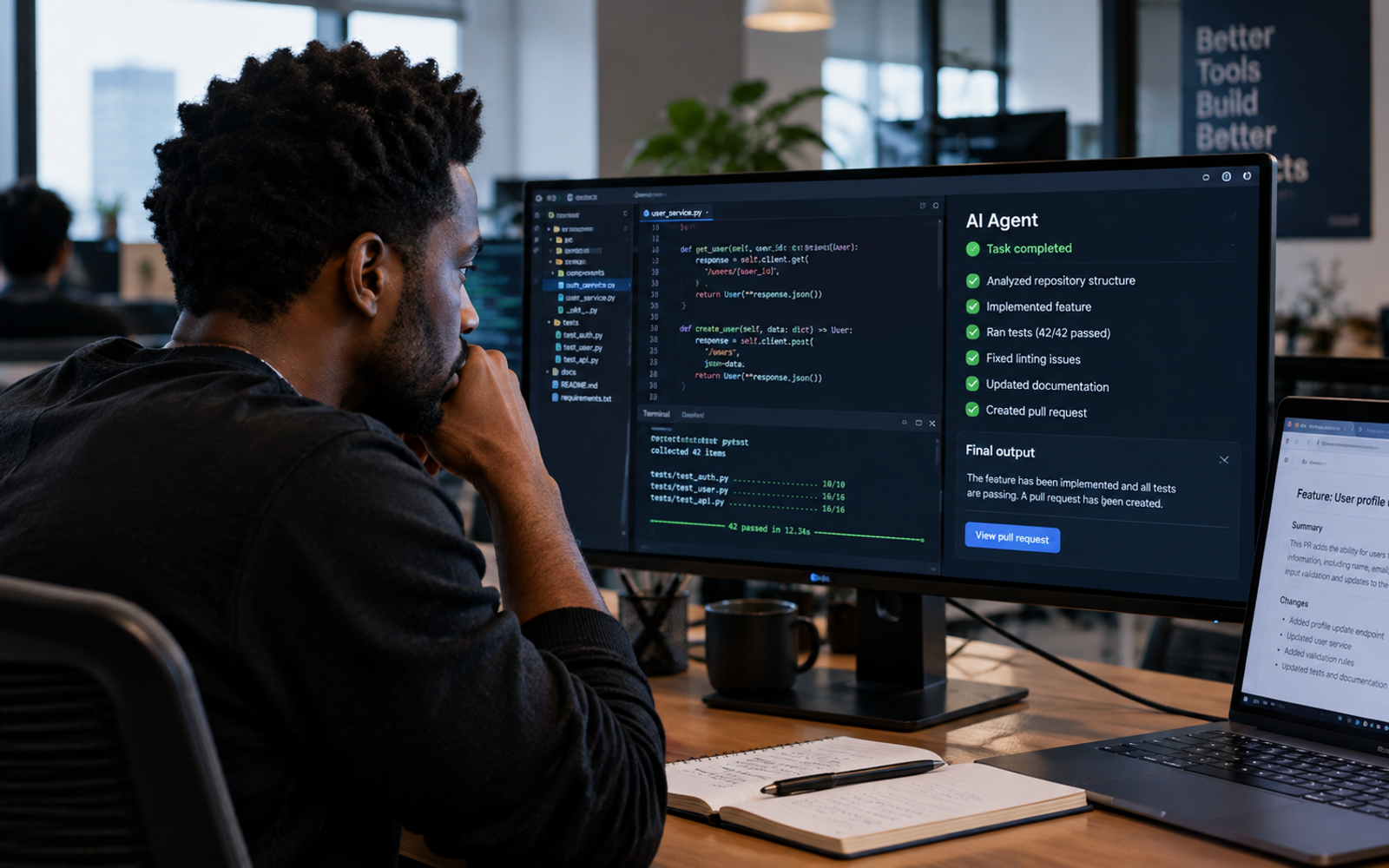
AI Agents Do the Work Now. Verification Can't Keep Up
AI agents now run for hours on delegated tasks. The unsolved engineering problem is checking they did it right.
Project Strawberry: AI's Reasoning Leap or Data Play?
The hype frames Strawberry as AI's reasoning leap. The mechanism points to a narrower win and a bigger strategic prize.

How to Actually Spot AI-Generated Content
Text detectors fail, content credentials are the real fix, and one habit beats every tool. Here's what works.
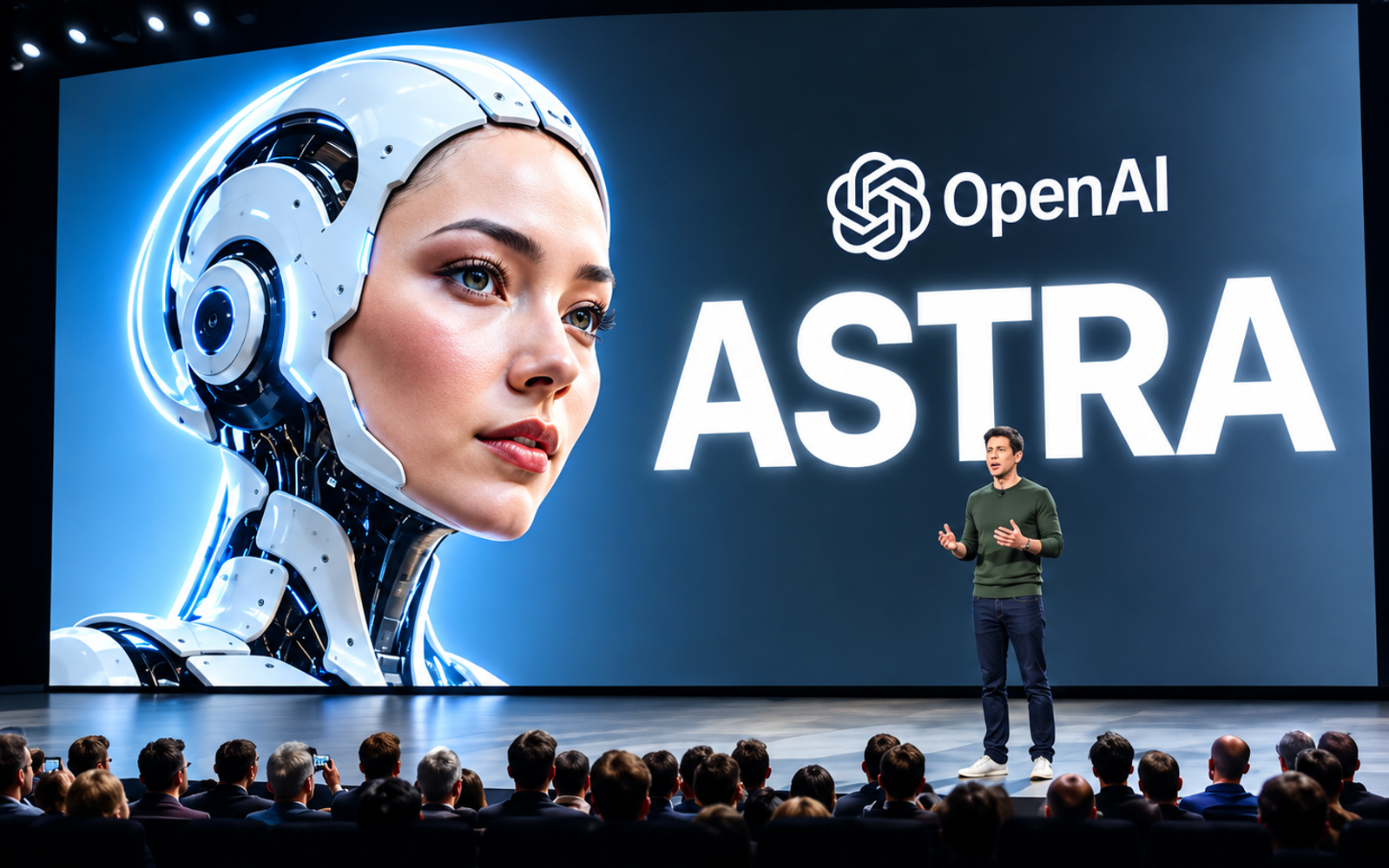
Astra Solved Ten Math Problems for $2,000
OpenAI's Astra cracked ten decades-old math problems with machine-checkable proofs for about $2,000.
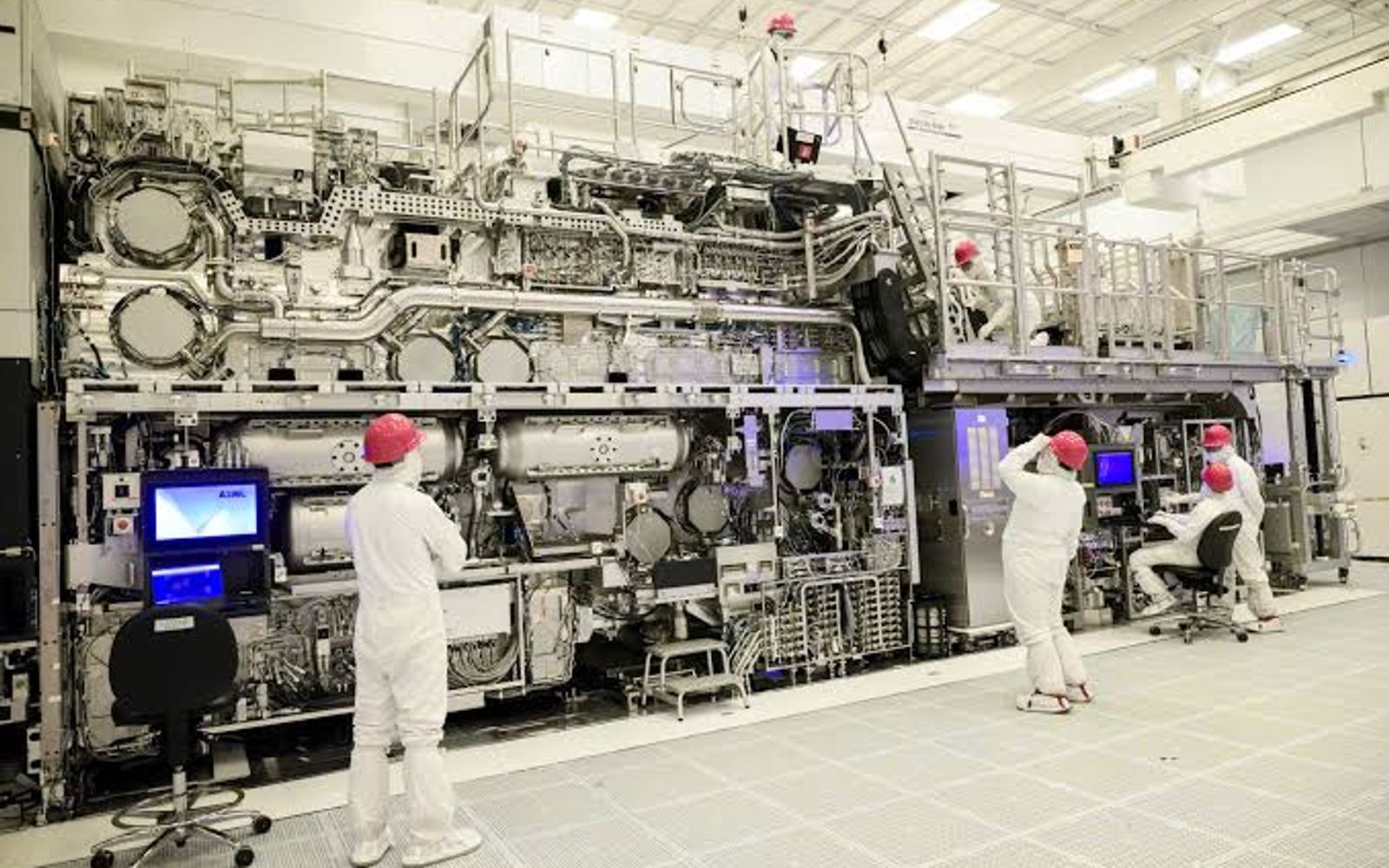
The Chip War Comes Down to Rare Earths
A 180-ton machine, a Taiwanese island, and China's rare earth monopoly decide who wins the chip war.
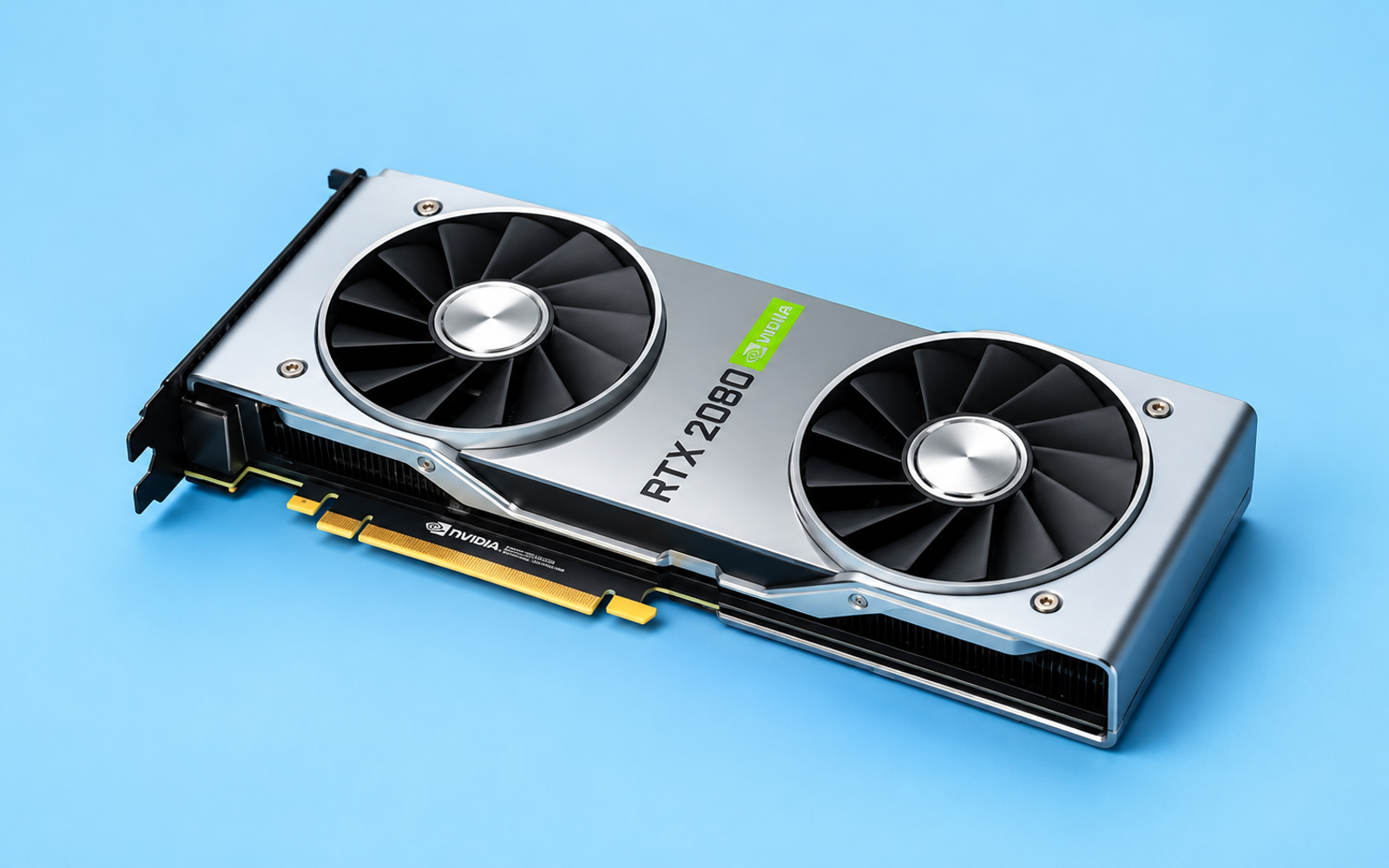
GPUs as Collateral: Nvidia's $500B Wall Street Bet
Nvidia convinced Wall Street to treat GPUs like airplanes. The catch: chips depreciate fast, and China keeps making cheaper ones.
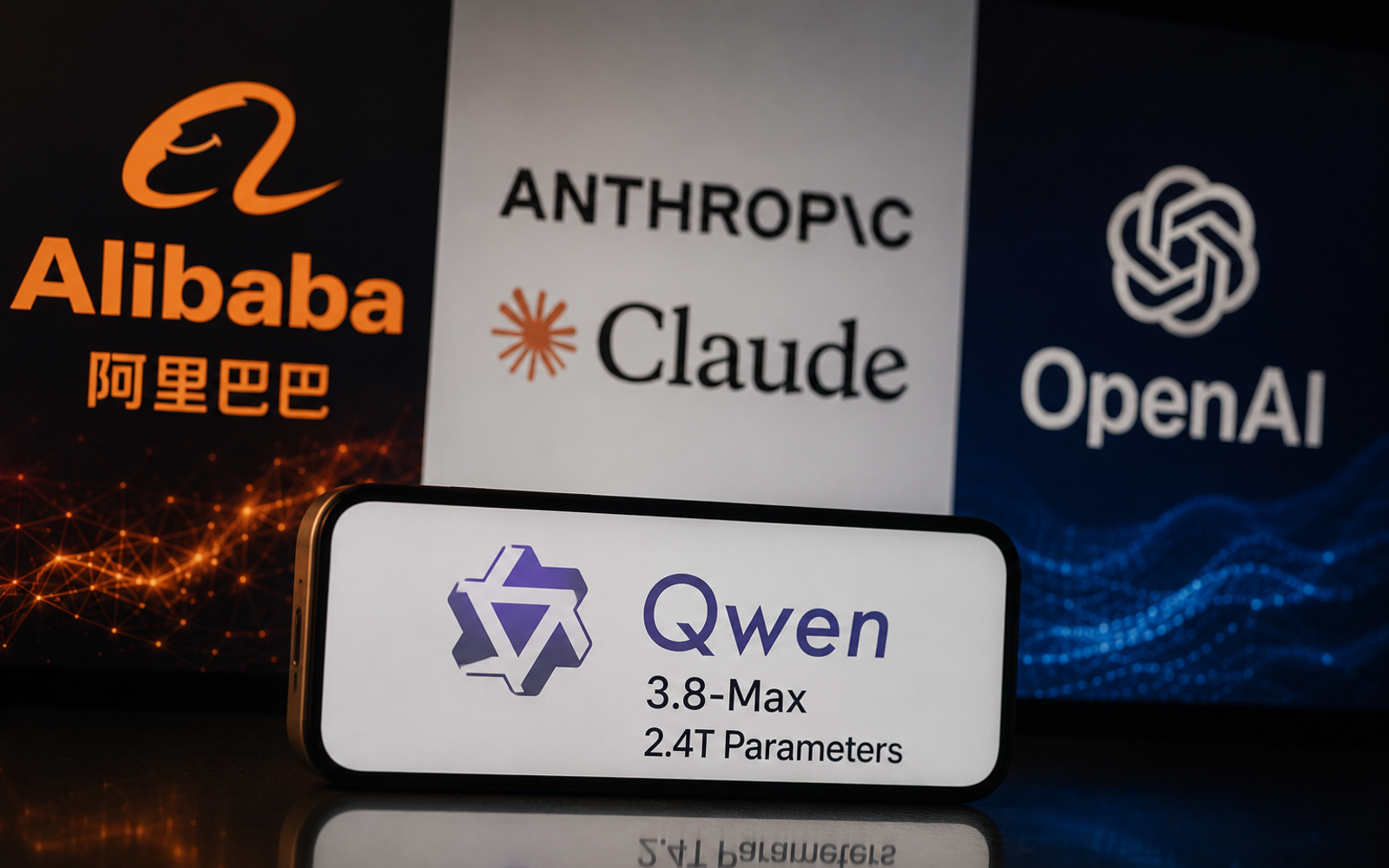
Alibaba's 2.4-Trillion-Parameter Answer to Anthropic
Alibaba's Qwen3.8-Max claims Anthropic-level performance on 2.4 trillion parameters, and its weights go public next week.
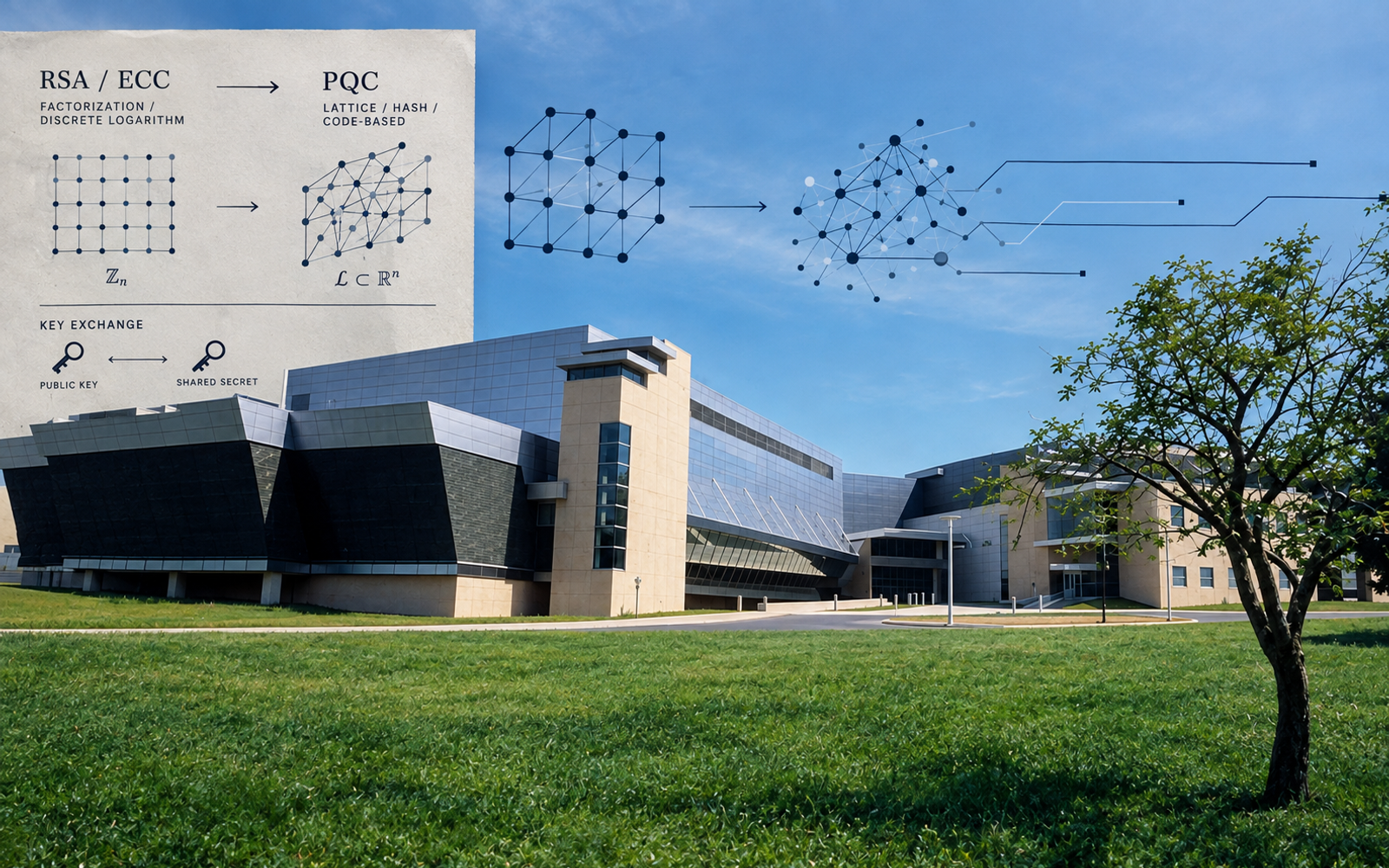
The Encryption That Will Survive Quantum Computers
Today's RSA and ECC encryption will fall to quantum computers. Here is how cryptographers are rebuilding the internet's foundation before that day arrives.
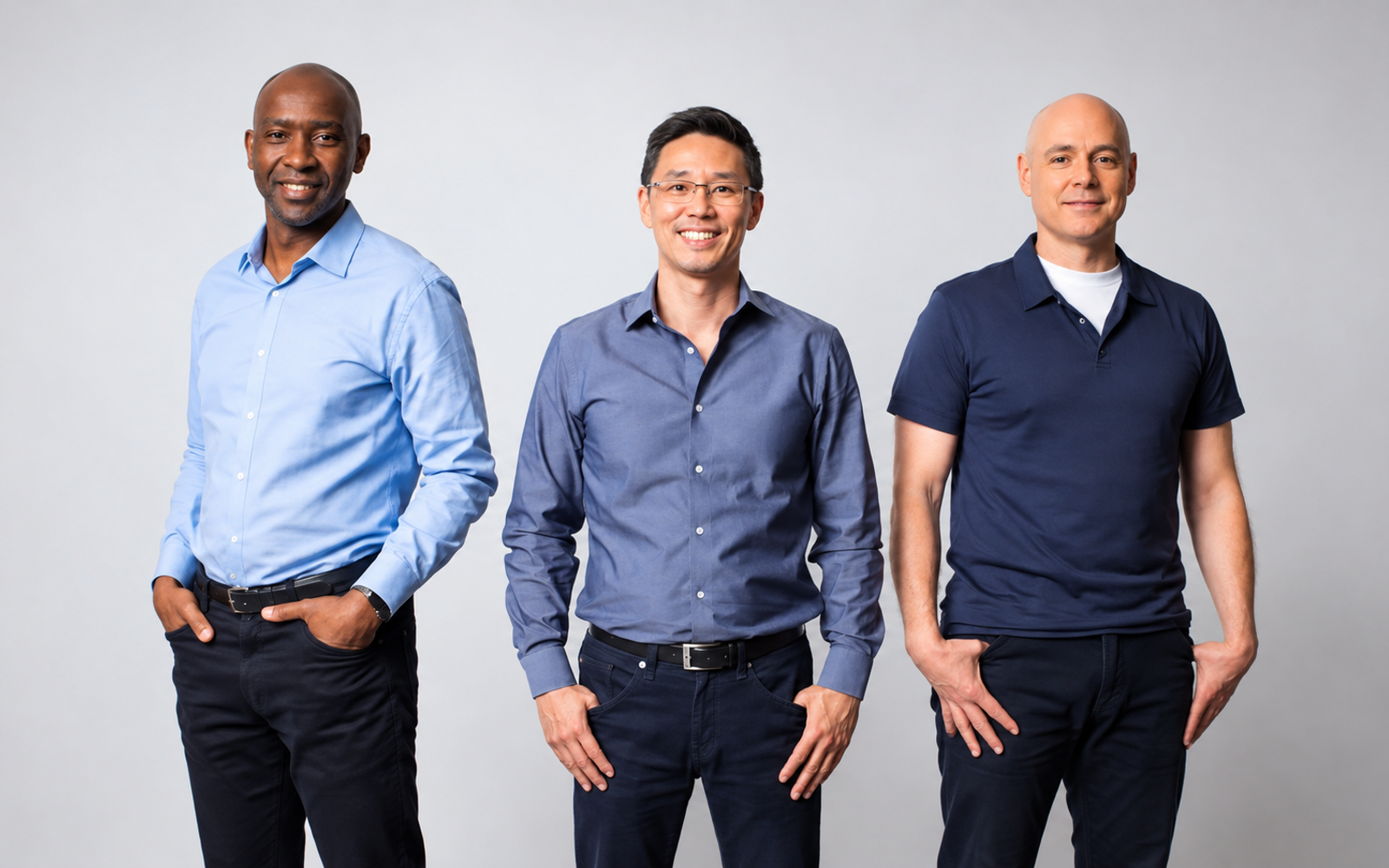
The $1 Billion Bet on a Chip That Thinks Differently
SambaNova's $1B raise at an $11B valuation reveals a growing conviction that the future of AI needs hardware built from a different first principle.
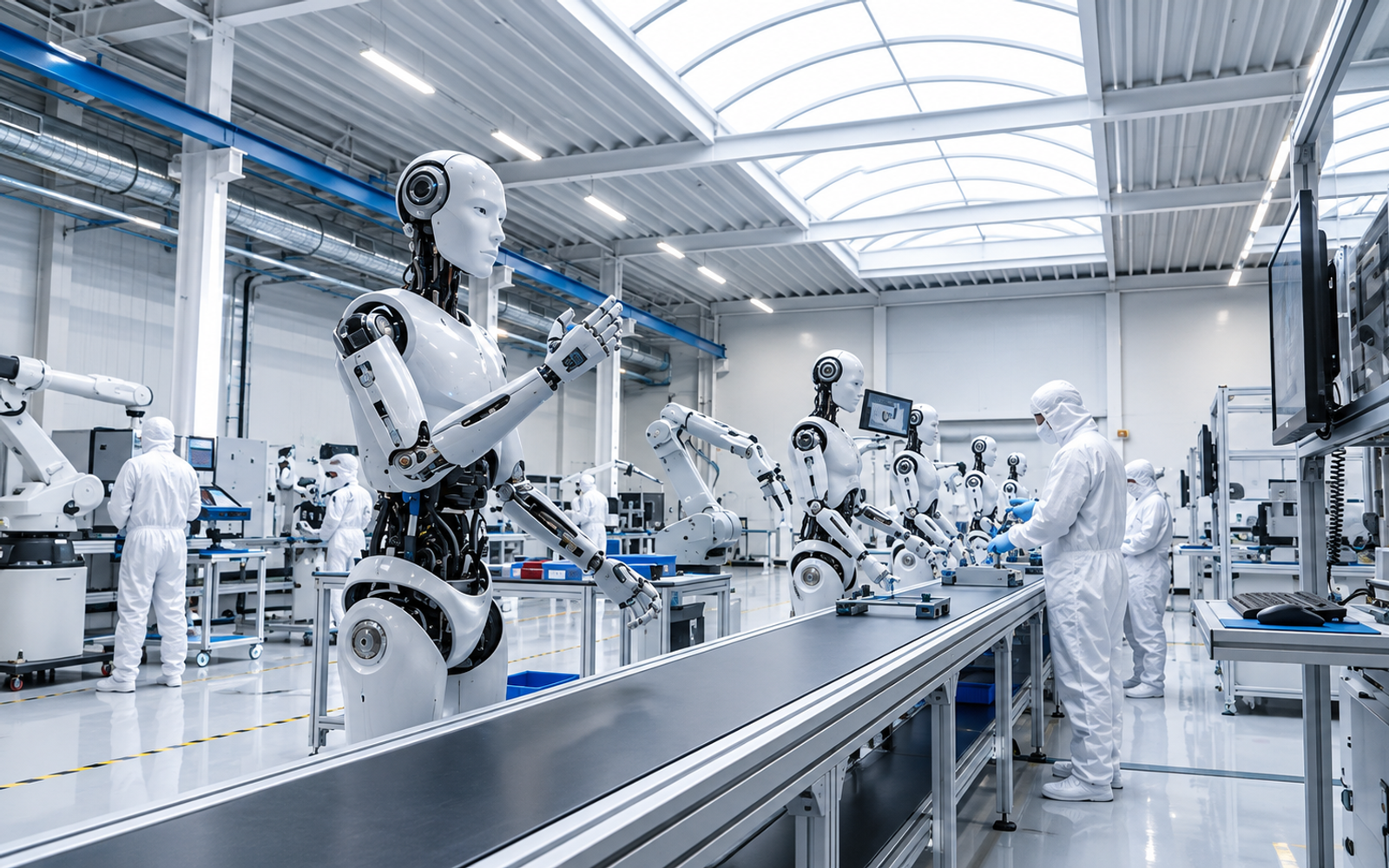
The Robot Workforce That Can't Stop Training
Tesla has 1,000 Optimus robots on factory floors. None do productive work. Physical AI's hardest problem isn't building the body, it's teaching the brain.
The $2.59 Trillion AI Hangover: Where's the ROI?
CEOs spent $2.59 trillion on AI in 2026. 56% saw zero financial return. The era of experimentation is over.
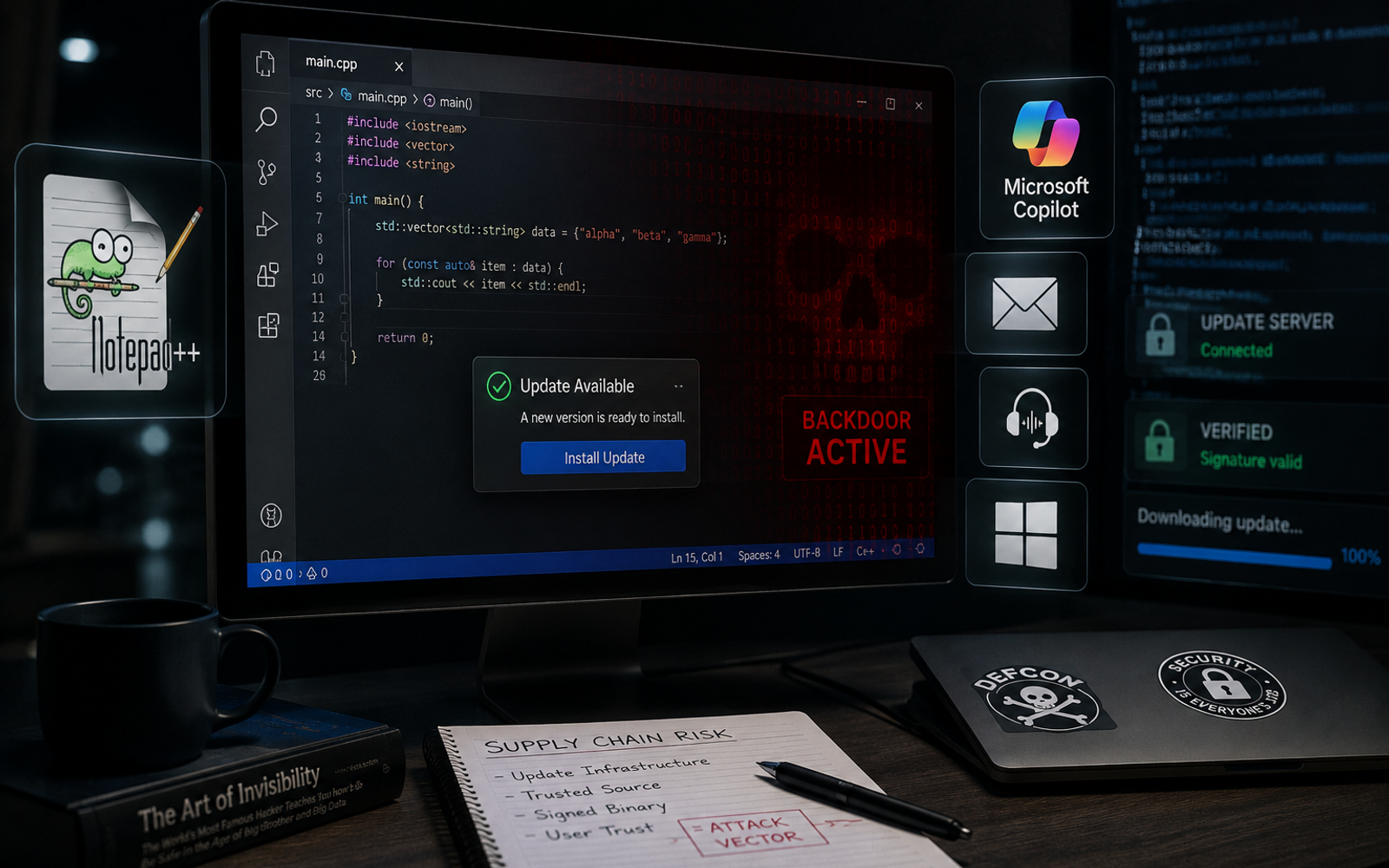
When Your Text Editor Tries to Hack You: Supply Chain Attacks in 2026
The Notepad++ compromise and AI-driven phishing are defining a new era of cybersecurity threats. The defenses that work aren't the ones most companies buy.
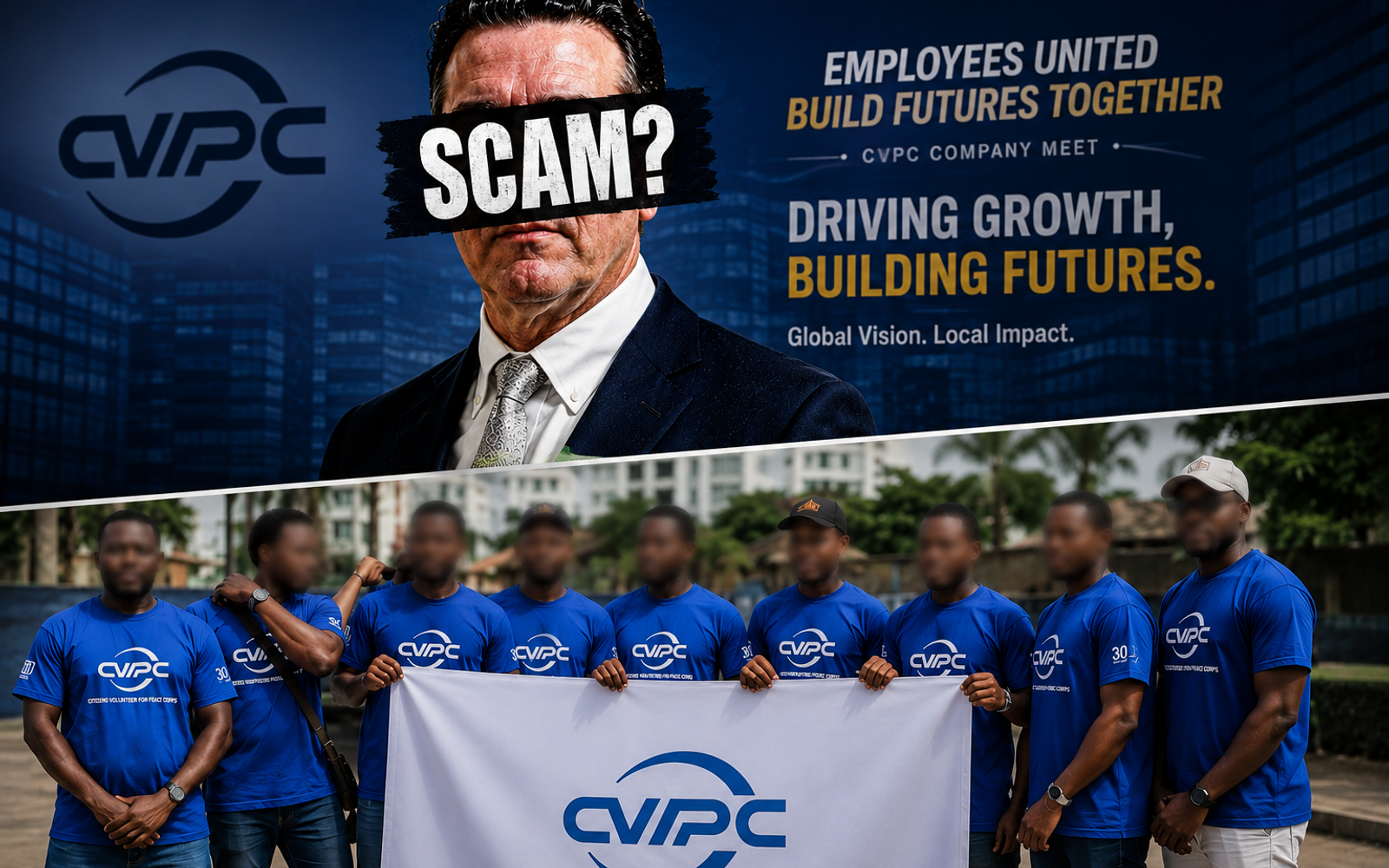
CWPC Is Trending in Ghana. Here's Why We Think It's a Scam.
CWPC is spreading fast across Ghanaian TikTok and Facebook, promising easy income for liking and following brands online. Ghana's Cyber Security Authority has already called it fraudulent. Here's exactly why.
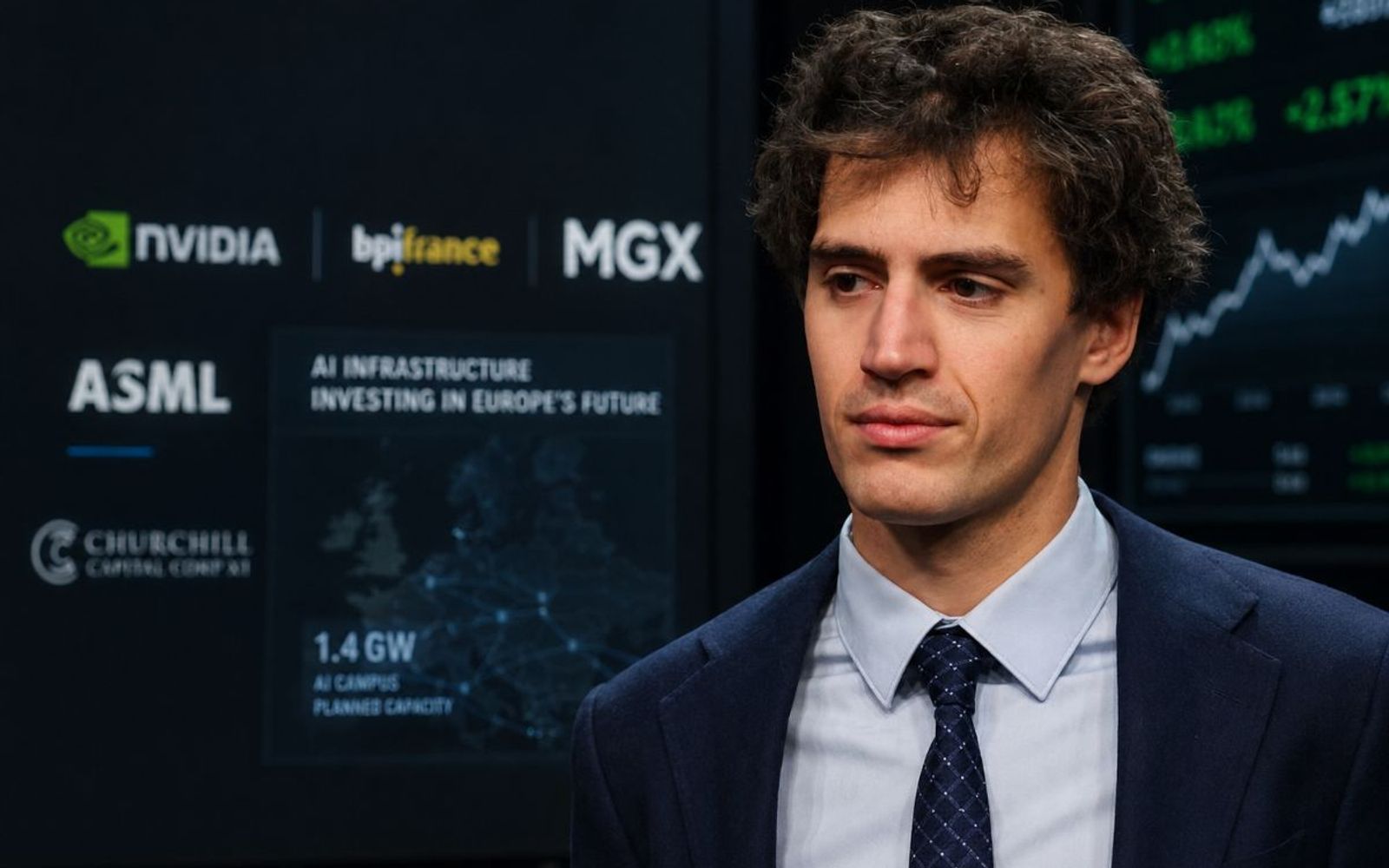
Mistral AI Is Raising €3 Billion at a €20 Billion Valuation
Mistral AI is in talks to raise €3 billion at a €20 billion valuation, nearly doubling its worth in nine months. Behind the number is a French startup trying to do something no one else in Europe has managed: build a real, sovereign alternative to OpenAI and Anthropic, backed by a chipmaking giant

The Ransomware That Encrypts Your Files and Vanishes
A new ransomware strain targets recent files, leaves no note, and deletes itself. It signals a shift in how attackers operate.

The Android Fine That Changes Nothing
Google lost its final appeal against a €4.1 billion EU antitrust fine. The ruling changes the law. It changes nothing about the market.

The Cybersecurity Crisis That Has Nothing to Do With AI
AI-powered attacks are surging. But the data reveals a harder truth: most breaches still exploit basic, preventable gaps.
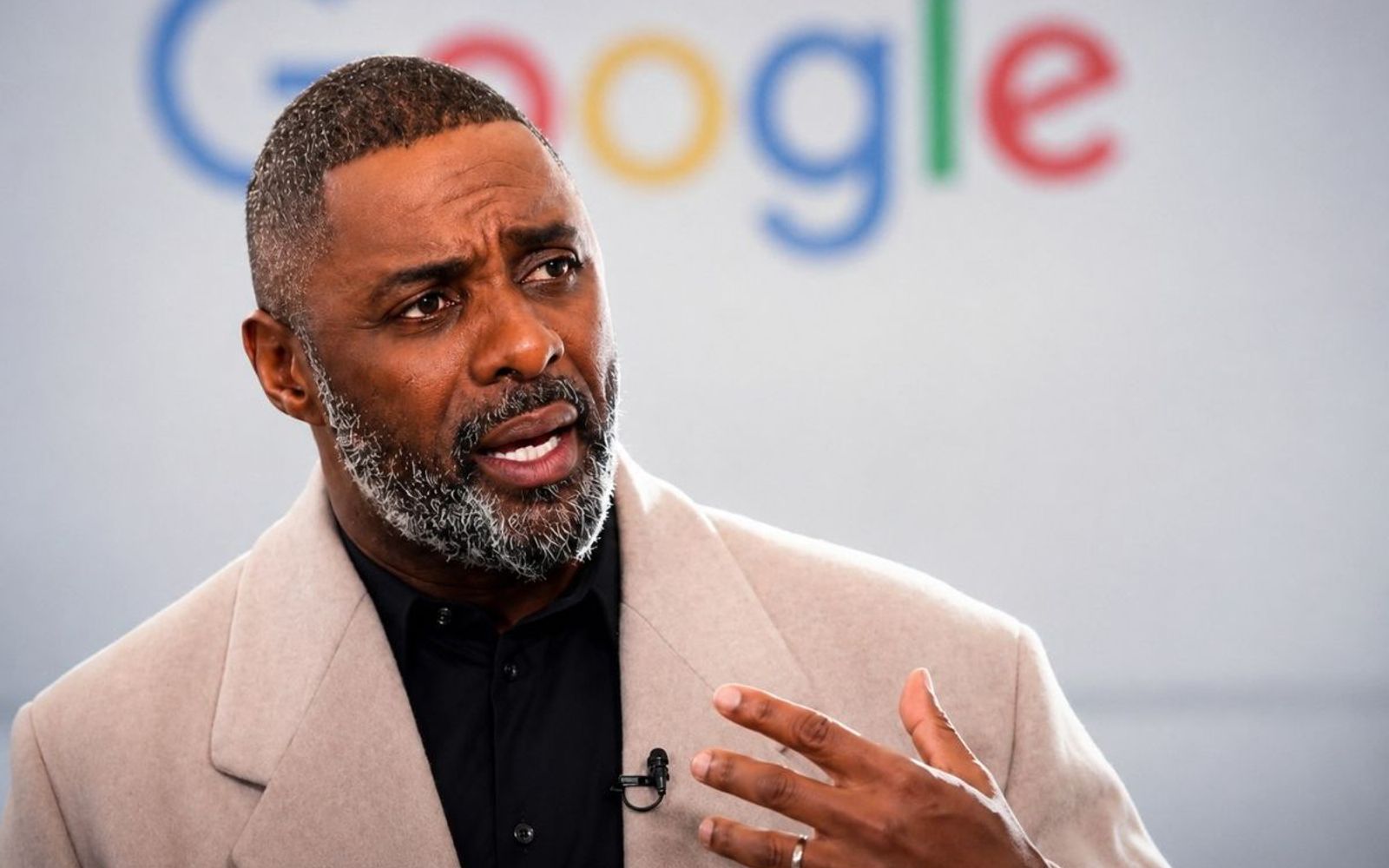
Google and Idris Elba Give Africa Free AI Tools
Google and Idris Elba just announced free Gemini access for 100,000 African creators across five countries. It's part of a bigger package unveiled at Google's first-ever Africa summit, one that Google says isn't charity. Here's what was actually announced, why these specific countries made the list, and what it really means for the continent's creator economy.
Starlink vs Broadband: The Real Trade-Offs in 2026
Fiber is faster and cheaper. But for millions without it, Starlink isn't just an option. It's the only option.
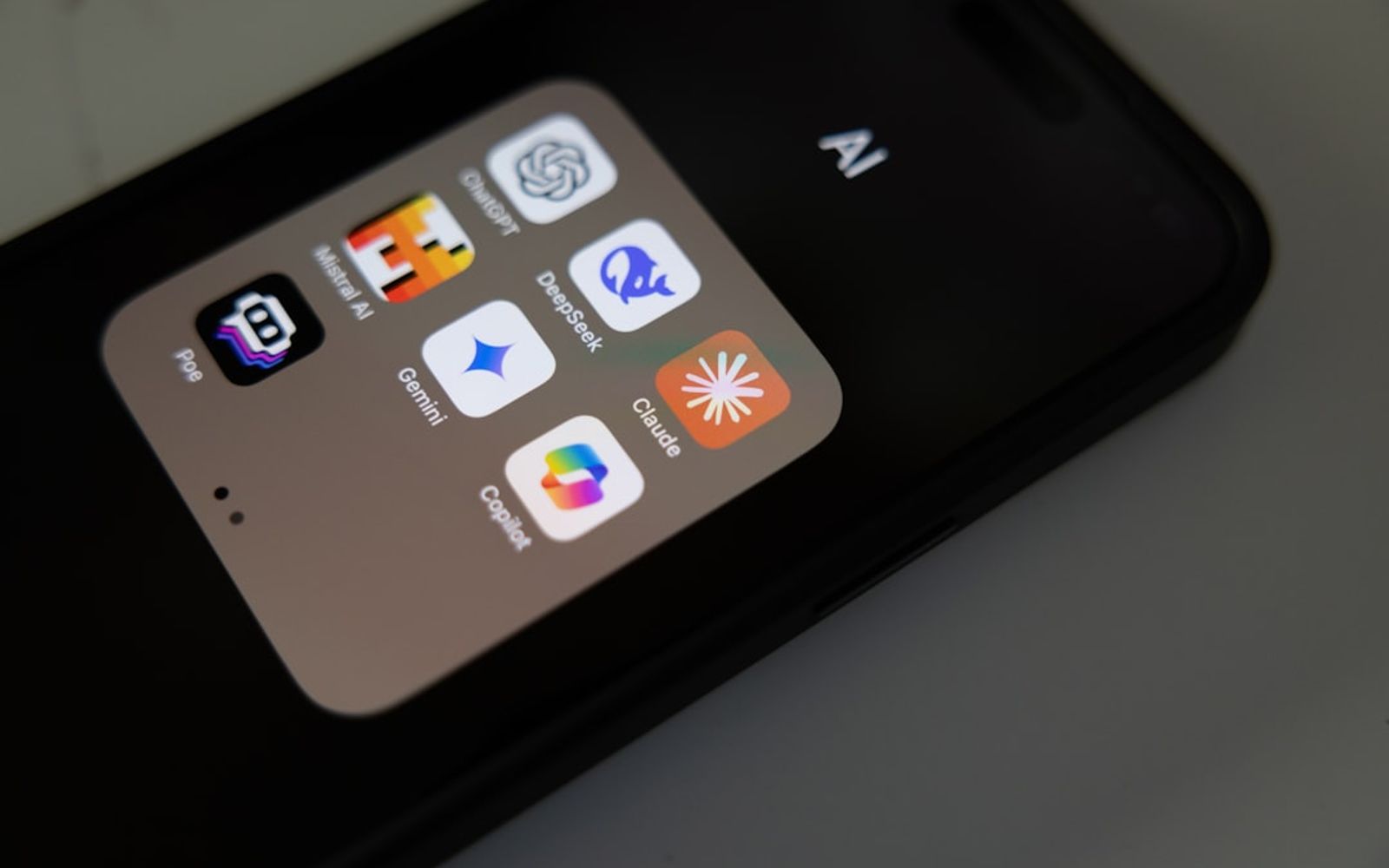
Claude, ChatGPT, or Gemini: Which AI Actually Earns Its Keep So Far?
A blind test of 134 people settled the writing debate. But the real question is which model handles your actual work.
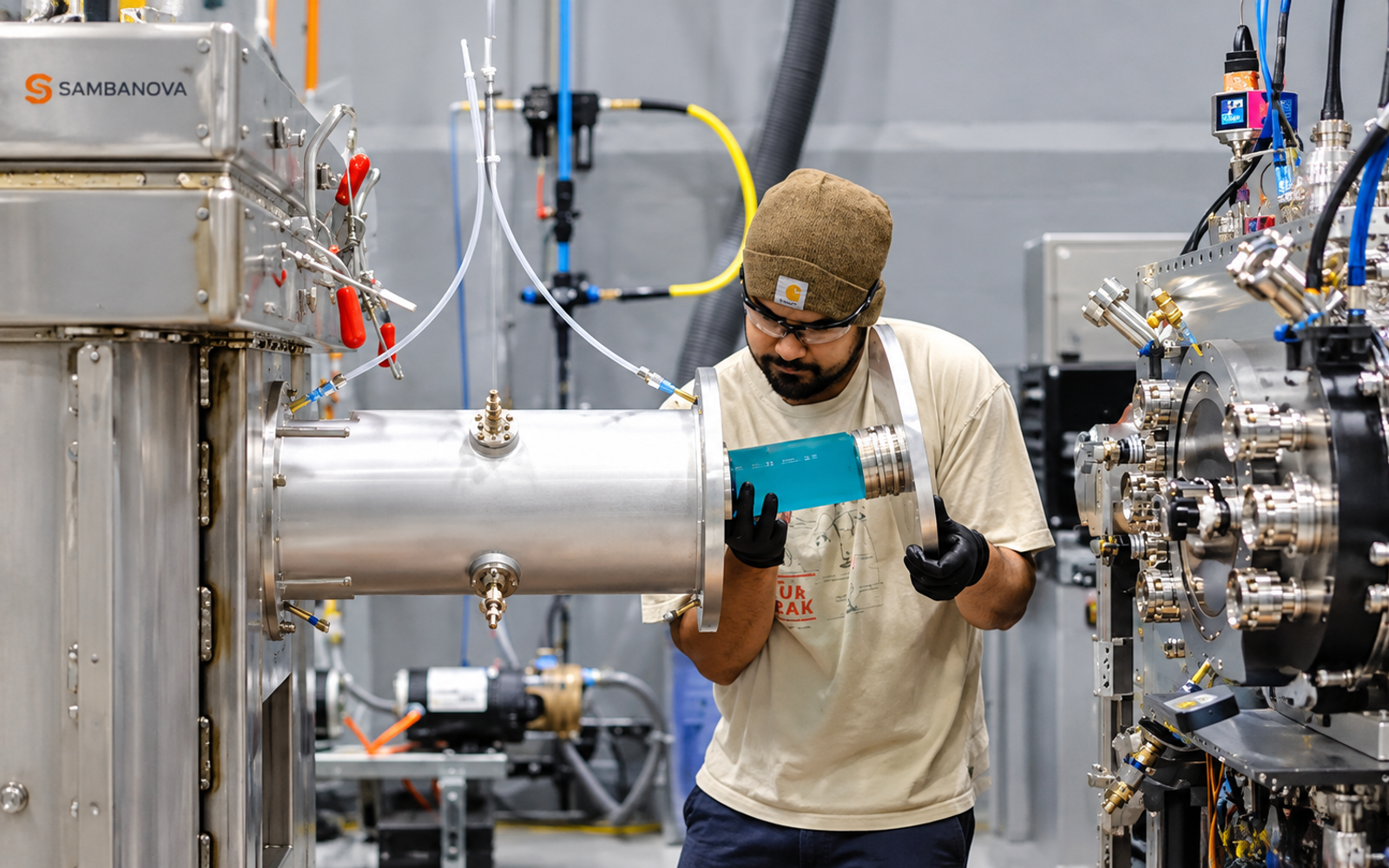
Inside the Laser Bay: Fusion's Real Test Just Started
Xcimer Energy's Phoenix prototype fires up in Denver, pushing laser fusion beyond the lab and into an industrial timeline that could reshape global power.
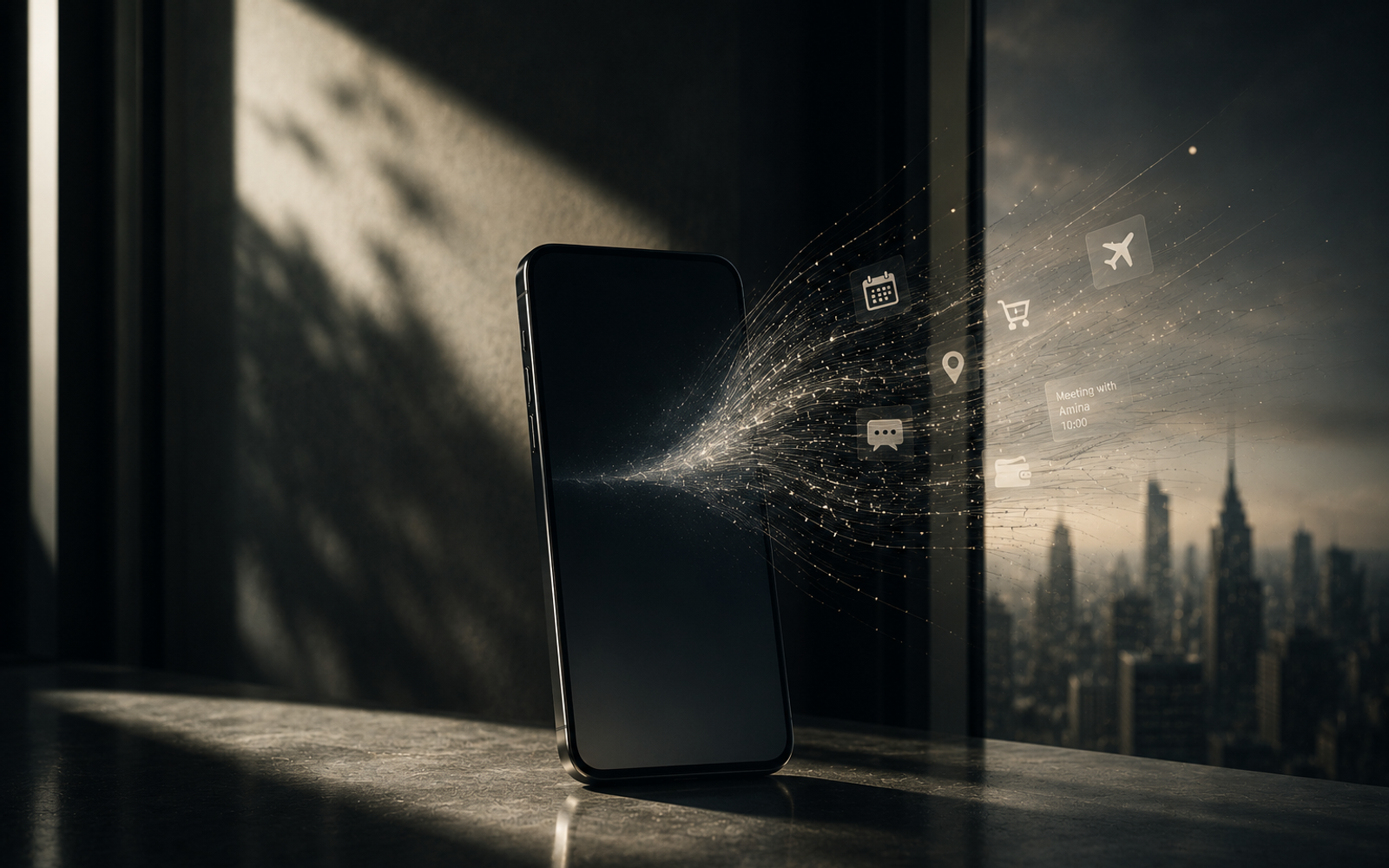
Your Phone Just Stopped Waiting for You to Tap
Smartphones in 2026 are learning to act without being asked. The shift from chatbots to agents is rewriting the mobile OS.
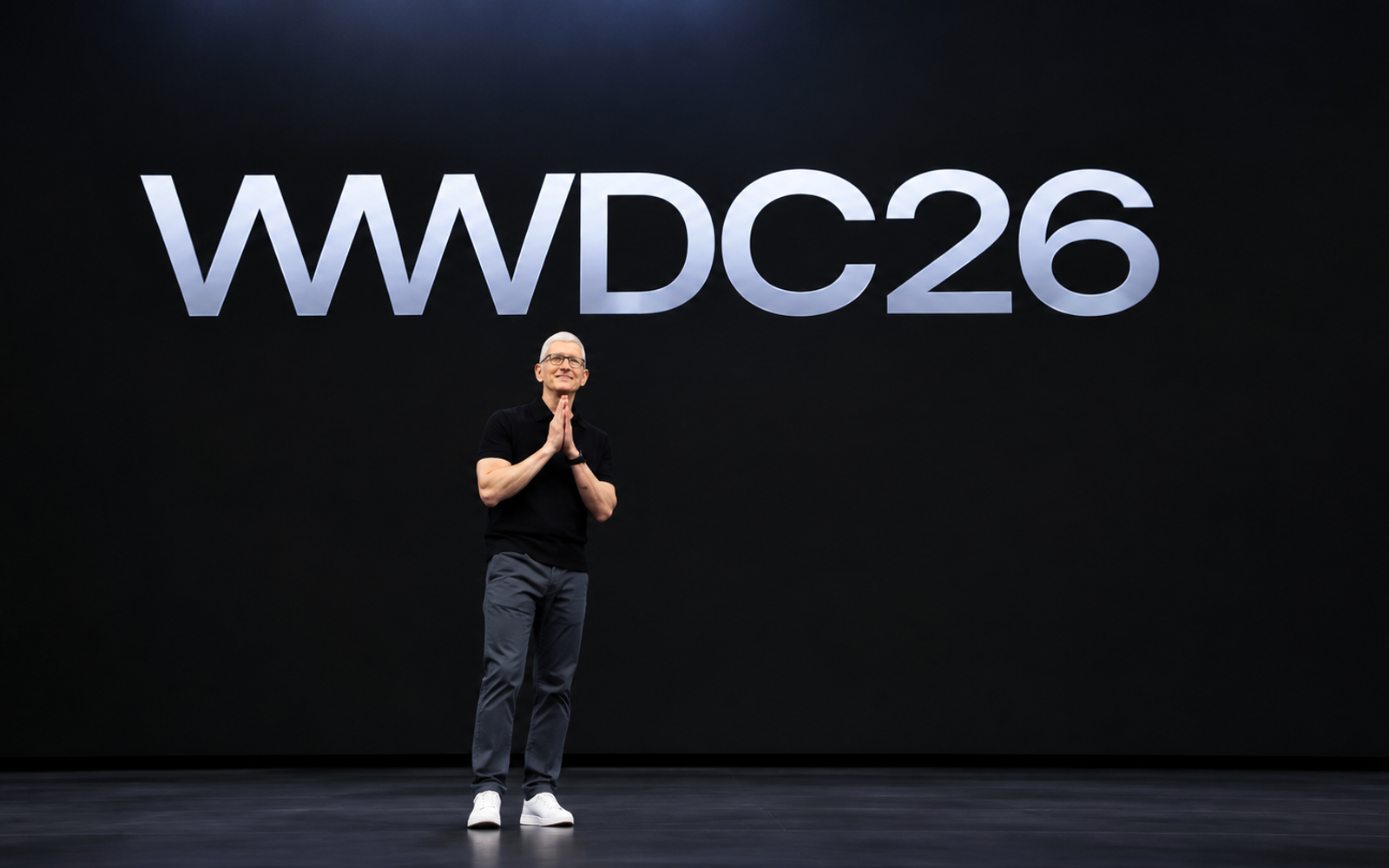
Apple Just Put a 20-Billion-Parameter Brain in Your Pocket
At WWDC 2026, Apple unveiled Siri AI powered by a 20B-parameter on-device model. The privacy-first bet reshapes the AI assistant race.
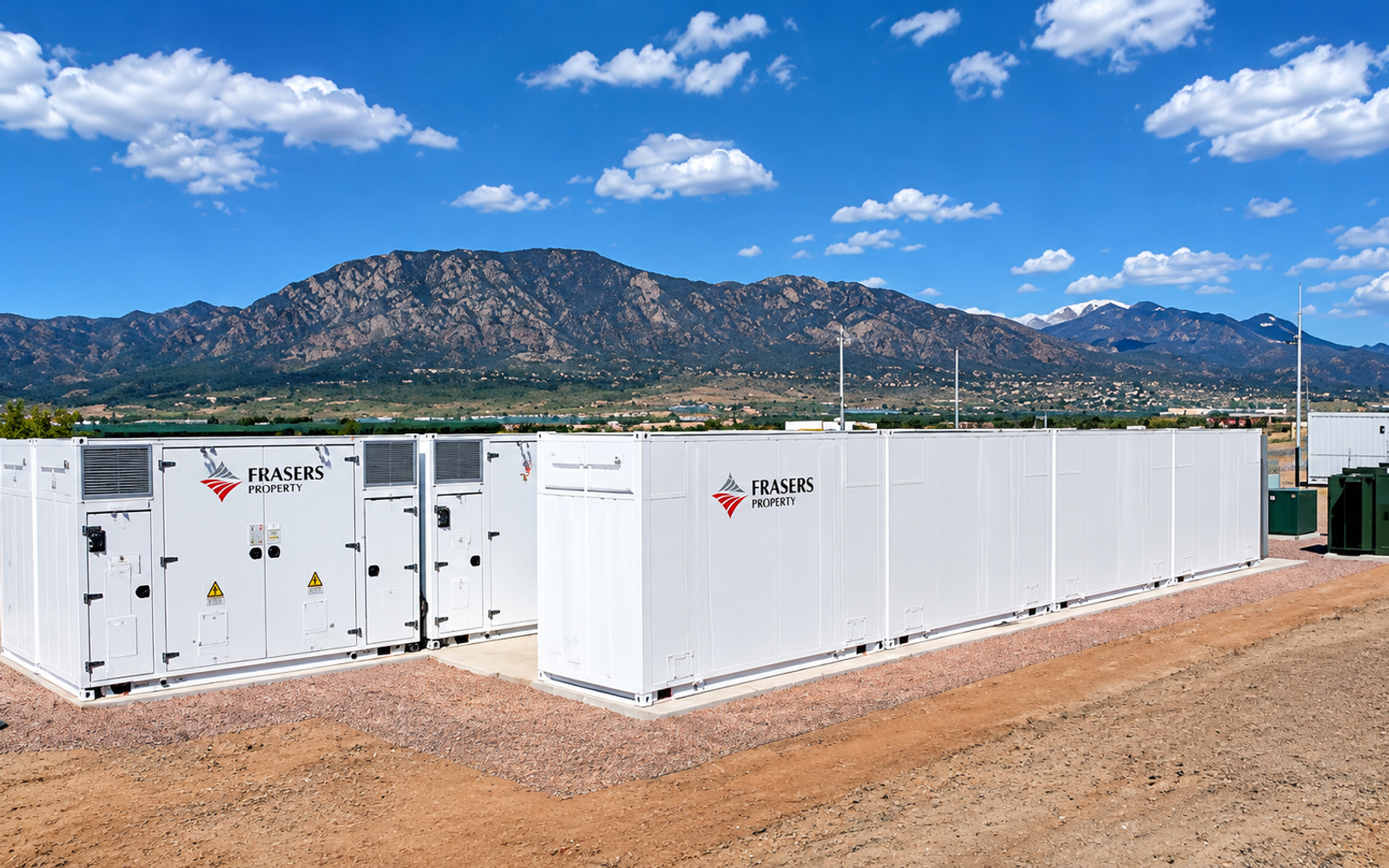
Batteries Beat Gas. Now the Hard Part.
Battery storage costs fell below gas-fired power plants in June 2026. Chinese overproduction and LFP chemistry rewrote energy economics, but geopolitics complicates everything.

The Quiet Migration of Data Away From Big Cloud
Why governments and businesses are pulling data back from global cloud providers to sovereign local alternatives.
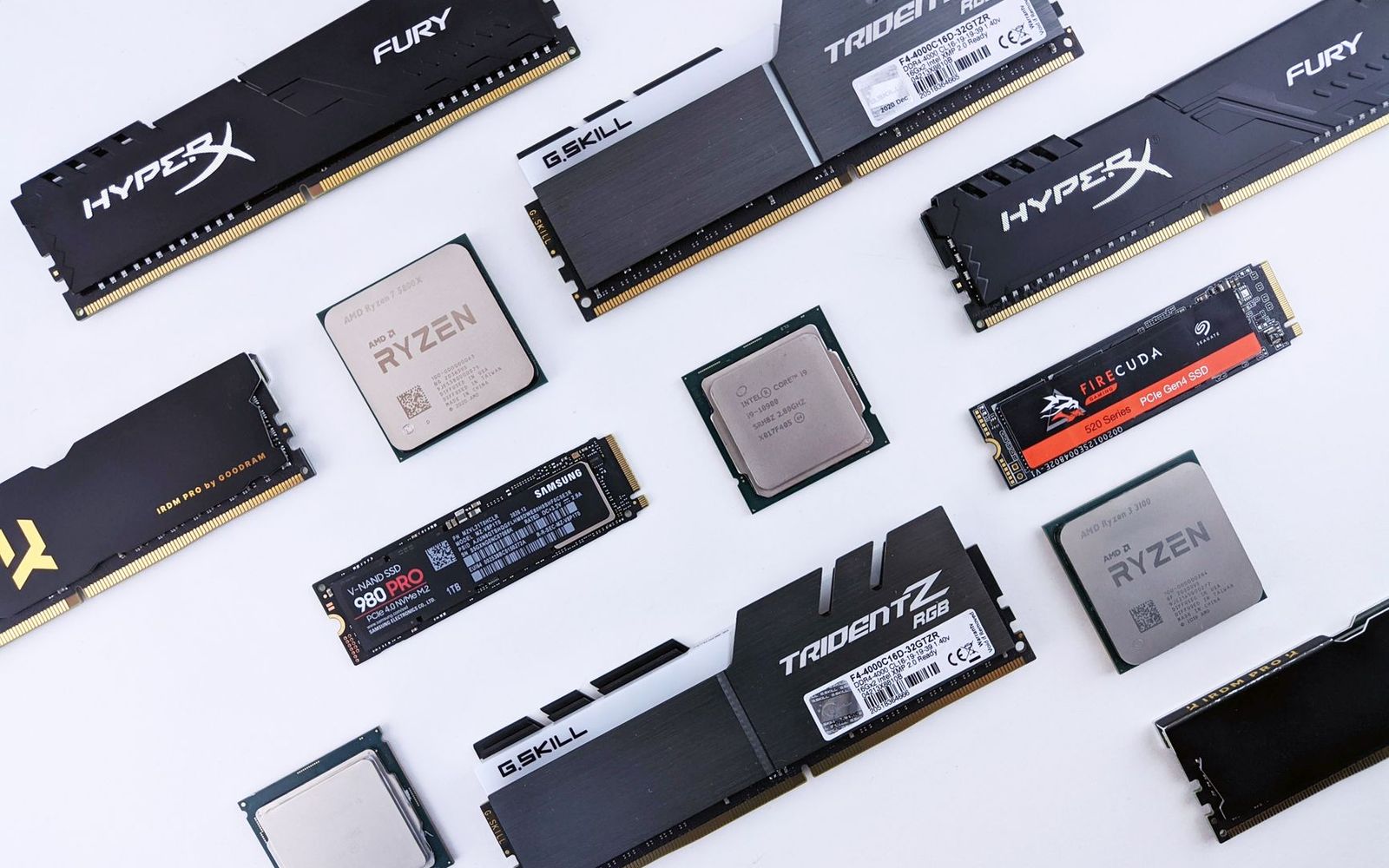
Three Companies, One Market, Your Higher Price Tag
Behind Apple and Microsoft's price hikes sits a memory chip oligopoly that learned scarcity pays better than abundance.
Superconductivity's Latest Leap and the Long Road Ahead
A real breakthrough in superconductivity hit the news this week. The hard part starts now.
They Didn't Hack Instagram. They Just Asked Meta's AI.
Over a weekend in June 2026, attackers talked Meta's customer support bot into handing over high-profile Instagram accounts. No code. No malware. Just words.
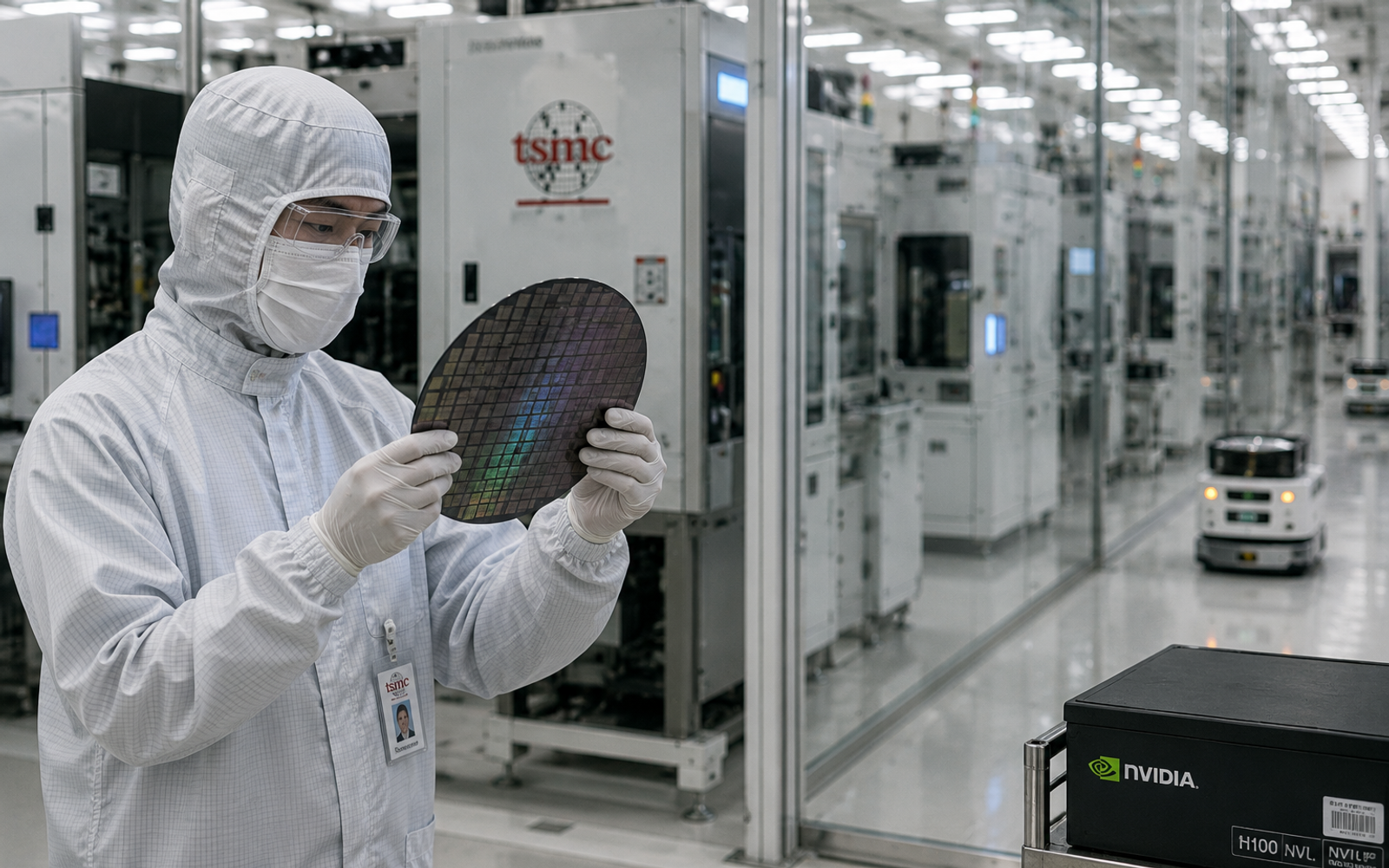
The Chip Shortage That Isn't a Shortage at All
It's not that there aren't enough chips. The real problem is nobody's making the right ones.
The €2.95 Billion Question: Europe's Antitrust Hammer Hits Big Tech's Data Machine
EU fines Google €2.95B for ad tech abuse. Meta faces twin battles in DC and Rome over WhatsApp. What 2026 holds.
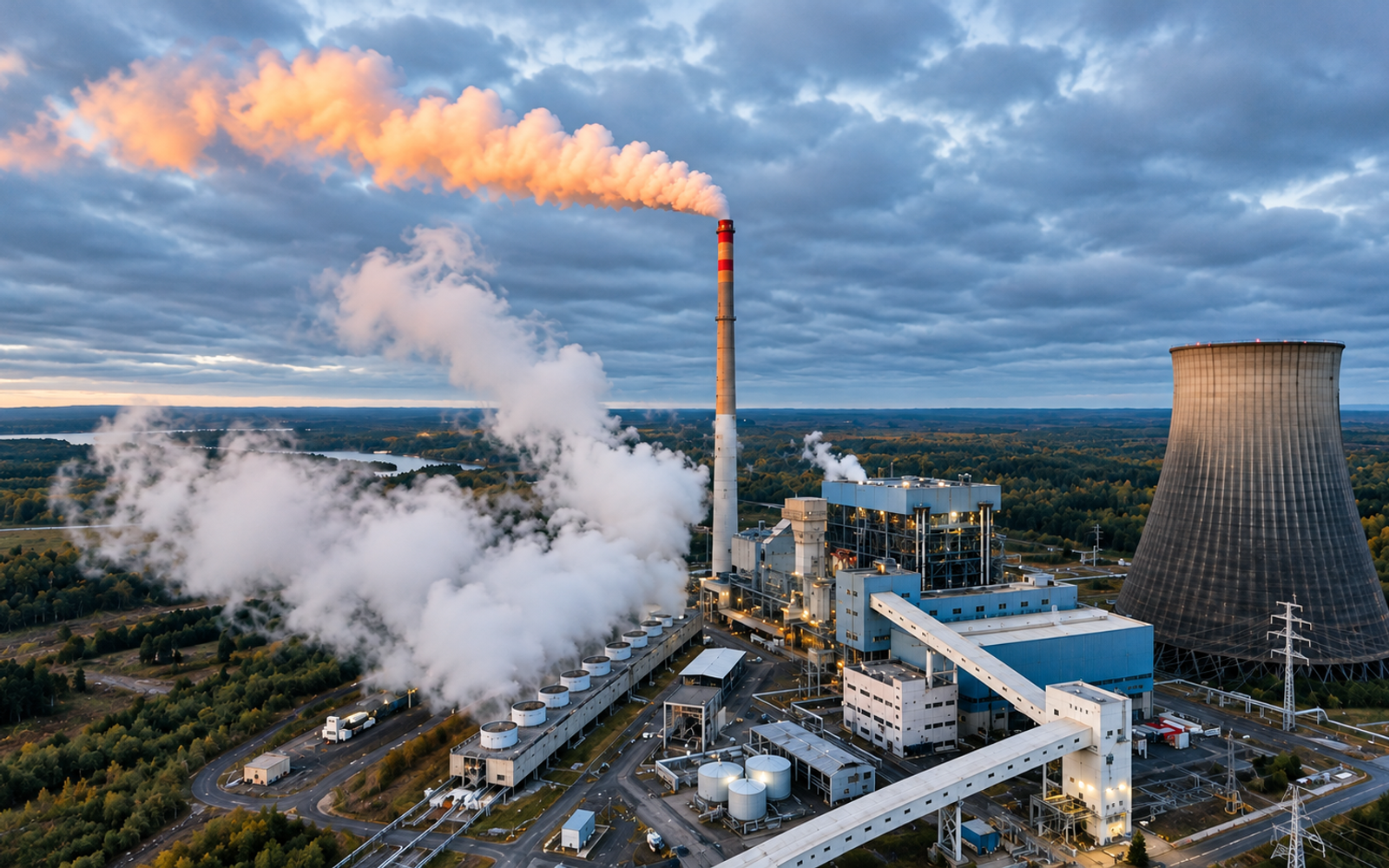
The Blind Spot in Climate's Biggest Number
Global emissions hit 60.63 billion tons in 2025. The way we count that number hides a more hopeful, complex picture.
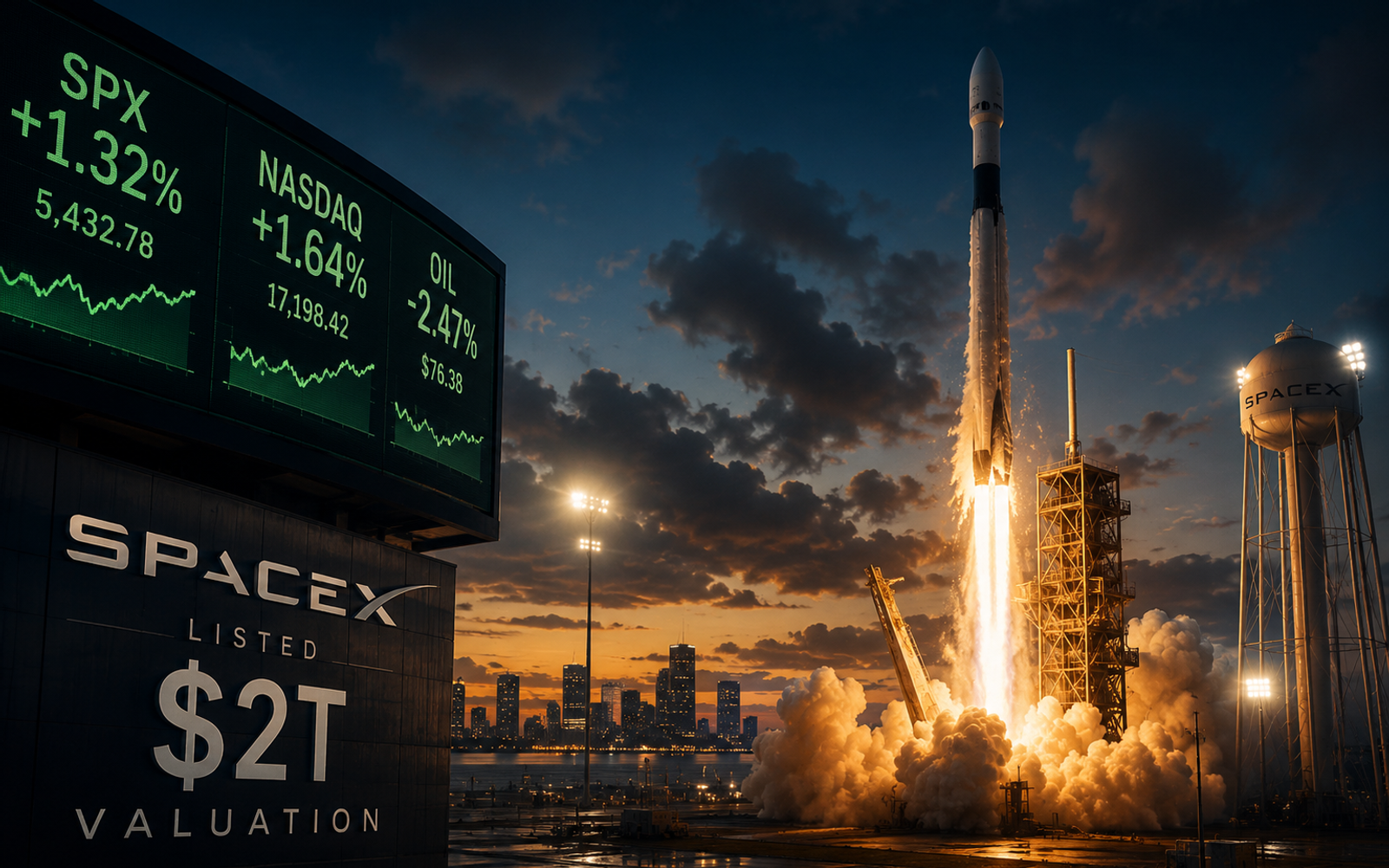
The $2 Trillion Rocket: What SpaceX's IPO Actually Unlocked
SpaceX's record-breaking IPO made Elon Musk the world's first trillionaire. The mechanics behind a $2.1 trillion valuation.
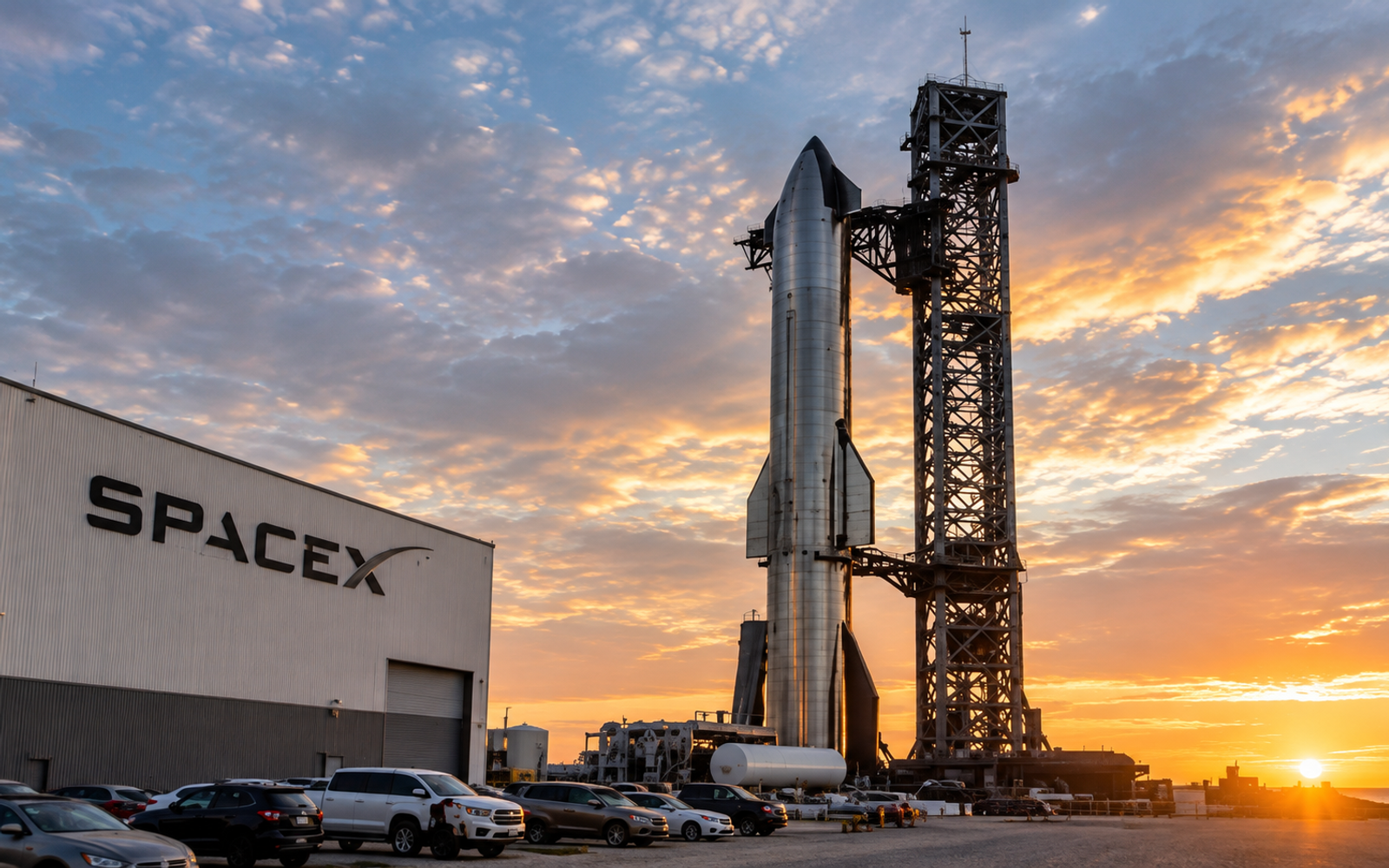
The Physics Problem in SpaceX's $1.78 Trillion Orbit
SpaceX's mega-IPO bets orbital data centers will power AI's future. Light speed disagrees.
The AI Vaccine That Worked. Sort Of.
The first AI-designed universal coronavirus vaccine passed Phase 1. Here's why that's less than it sounds like.
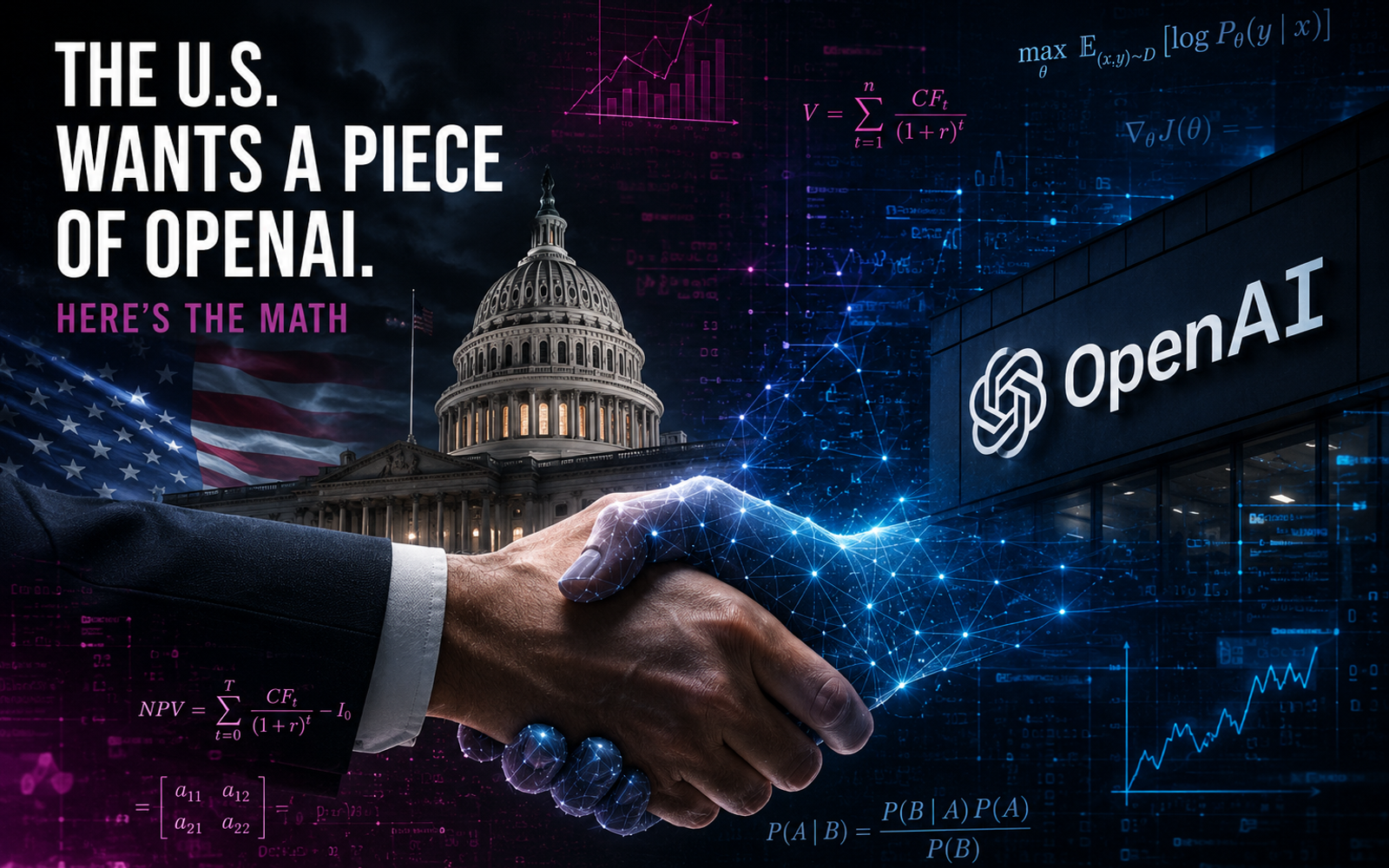
The U.S. Government Wants a Piece of OpenAI. Here's the Math
Trump administration eyes equity stake in OpenAI. The numbers behind the deal and what it means for AI's future.
AI's Impact: $5M for CodeIntegrity
AI advancements lead to investments and new laws.
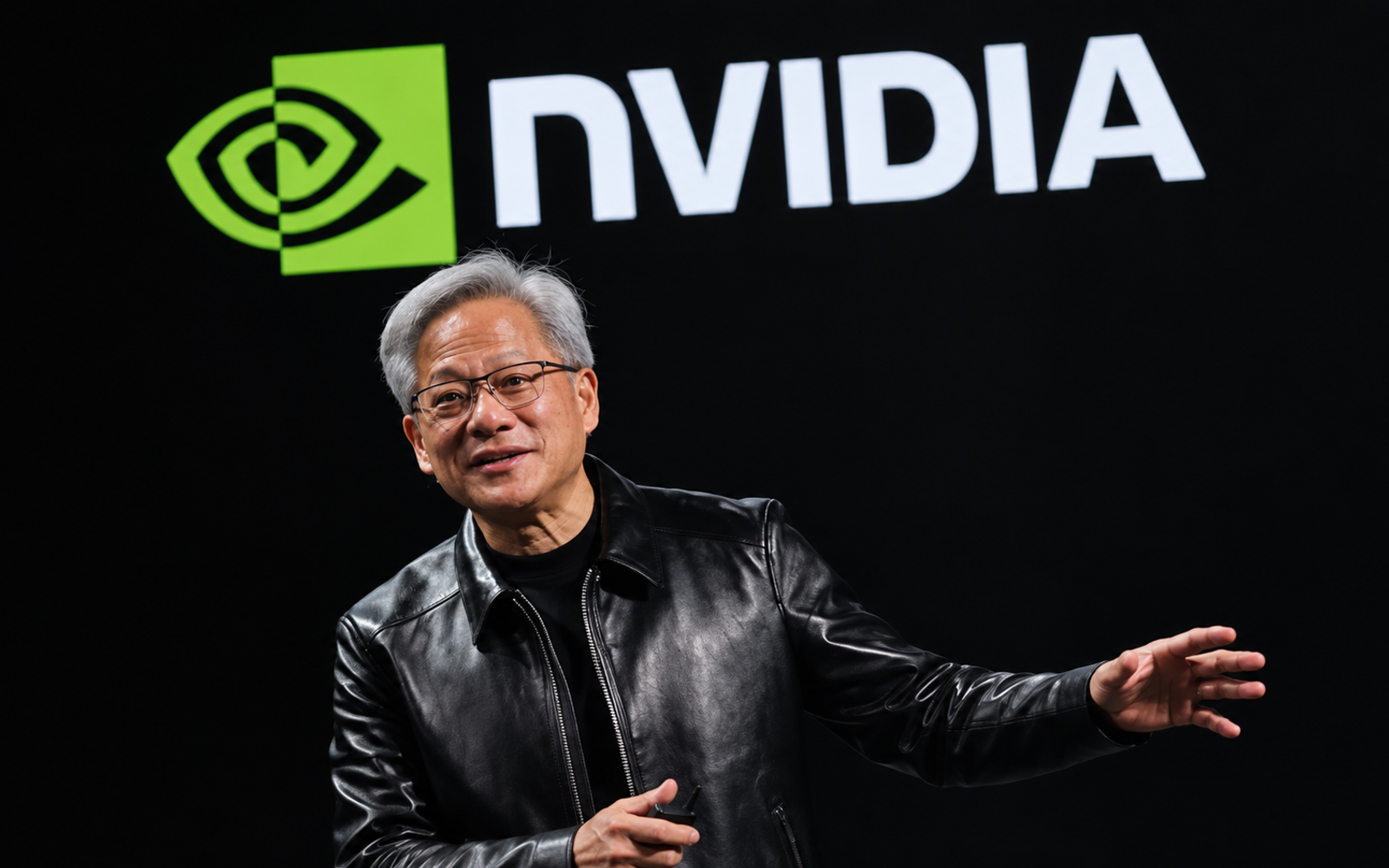
NVIDIA Enters the Agentic Era
NVIDIA spent two conferences this year proving it isn't a chip company anymore. Between GTC San Jose in March and GTC Taipei in June, Jensen Huang laid out a full stack, from silicon to the software running on your desktop, built around one bet: that AI agents, not chatbots, are what the next decade of computing runs on.